EC using ‘Black magic’ to remove legitimate voters: WB CM
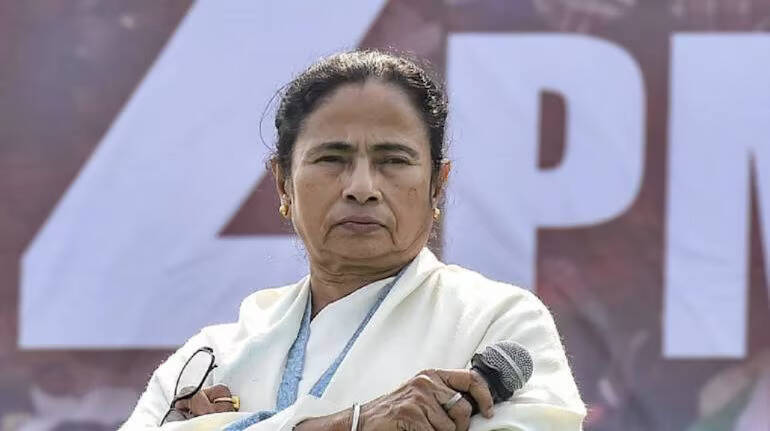
In a shocking and unprecedented allegation, West Bengal Chief Minister Mamata Banerjee has accused the Election Commission of India (ECI) of using “black magic” to remove legitimate voters from the electoral rolls. Launching a scathing attack on the commission, CM Mamata said, “They thought that by engaging in a black game and performing black magic they would snatch the democratic rights of the people.” This statement has sent shockwaves across the country, with many questioning the integrity of the electoral process.
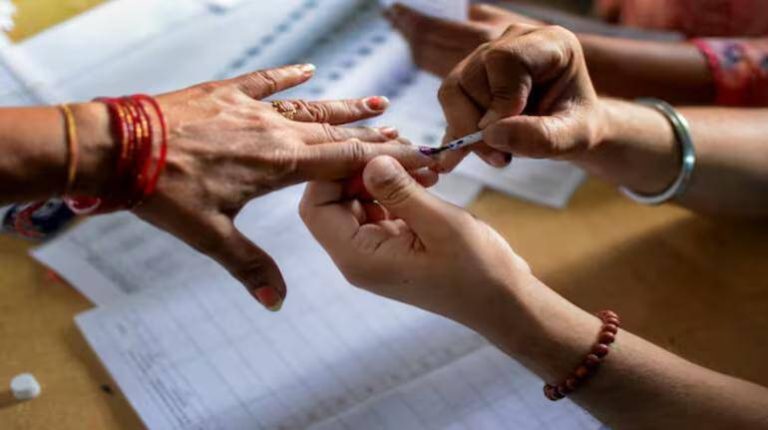
The controversy began when the Election Commission of India announced that it would be revising the electoral rolls in West Bengal, citing discrepancies and irregularities in the existing lists. However, CM Mamata Banerjee and her party, the Trinamool Congress, have been vocal in their opposition to this move, alleging that the EC is attempting to disenfranchise legitimate voters, particularly those who are loyal to the ruling party.
According to CM Mamata, the EC’s actions are a blatant attempt to influence the outcome of future elections in the state. She has accused the commission of being biased towards the opposition parties, particularly the Bharatiya Janata Party (BJP), which has been making significant inroads in the state in recent years. The CM has also alleged that the EC is using faulty and outdated software to revise the electoral rolls, which is resulting in the deletion of legitimate voters.
The use of the term “black magic” by CM Mamata to describe the EC’s actions has sparked a heated debate, with many questioning the appropriateness of such language. While some have defended the CM’s statement, arguing that it is a metaphorical expression of her frustration and concern, others have criticized her for using such inflammatory language.
Despite the controversy, the Election Commission has maintained that its actions are aimed at ensuring the integrity and transparency of the electoral process. The commission has stated that it is using advanced technology and software to revise the electoral rolls, and that all deletions are being made in accordance with established procedures and guidelines.
However, the opposition parties, including the BJP, have welcomed the EC’s move, arguing that it is necessary to prevent voter fraud and ensure that the electoral process is free and fair. The BJP has also accused the Trinamool Congress of attempting to thwart the EC’s efforts, citing the party’s history of electoral malpractices.
The controversy has significant implications for the future of Indian democracy. If the allegations made by CM Mamata are true, it would suggest that the Election Commission, which is constitutionally mandated to ensure the integrity of the electoral process, is compromised and biased. On the other hand, if the EC’s actions are indeed aimed at ensuring the transparency and integrity of the electoral process, it would be a significant step towards strengthening Indian democracy.
In conclusion, the controversy surrounding the Election Commission’s revision of electoral rolls in West Bengal has raised important questions about the integrity and transparency of the electoral process. While the allegations made by CM Mamata Banerjee are serious and require investigation, the Election Commission’s actions must also be scrutinized to ensure that they are fair, transparent, and in accordance with established procedures. Ultimately, the outcome of this controversy will have significant implications for the future of Indian democracy, and it is essential that all stakeholders, including the EC, political parties, and civil society, work together to ensure that the electoral process is free, fair, and transparent.
About the Author