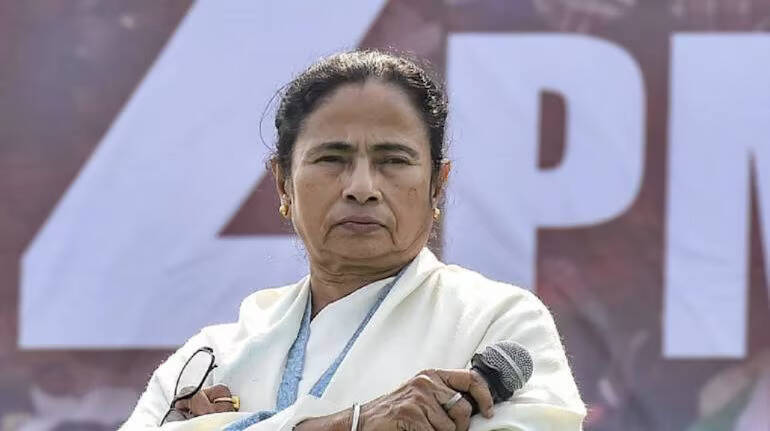
EC using ‘Black magic’ to remove legitimate voters: WB CM
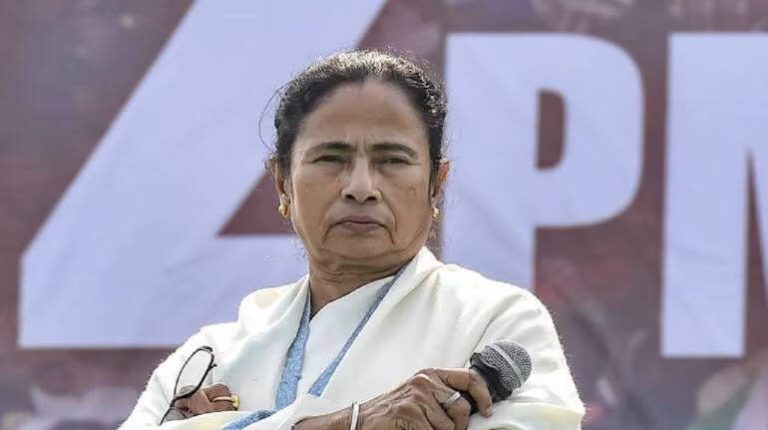
In a shocking turn of events, West Bengal Chief Minister Mamata Banerjee has launched a scathing attack on the Election Commission of India, alleging that it is using “black magic” to remove legitimate voters from the electoral rolls. The Chief Minister’s comments have sparked a controversy, with many questioning the basis of her claims and the implications of such allegations on the electoral process.
According to CM Mamata, the Election Commission has been engaging in a “black game” by removing genuine voters from the list, thereby depriving them of their democratic rights. “They thought that by engaging in a black game and performing black magic they would snatch the democratic rights of the people,” she said, criticizing the commission’s actions. The Chief Minister’s remarks have been seen as a direct attack on the independence and integrity of the Election Commission, which is responsible for conducting free and fair elections in the country.
The controversy surrounding the Election Commission’s actions in West Bengal has been brewing for some time now. The state has been witnessing a high-stakes battle between the ruling Trinamool Congress and the opposition parties, particularly the Bharatiya Janata Party (BJP). The Election Commission has been under pressure to ensure that the electoral process is fair and transparent, with many alleging that the ruling party has been trying to influence the outcome of the elections.
CM Mamata’s allegations of the Election Commission using “black magic” to remove legitimate voters have been met with skepticism by many. While it is true that errors can occur in the electoral rolls, the idea that the commission is deliberately engaging in malpractices to disenfranchise voters is a serious one. The Election Commission has a robust system in place to ensure the integrity of the electoral process, including provisions for voters to check their names on the electoral rolls and to report any errors or discrepancies.
However, it is also true that the electoral process in India is not immune to errors and glitches. In recent years, there have been instances of voters finding their names missing from the electoral rolls, or being incorrectly listed. Such errors can be due to a variety of factors, including technical glitches, human error, or even deliberate attempts to manipulate the electoral process.
The implications of CM Mamata’s allegations are significant. If true, they would suggest a systemic failure of the electoral process and a threat to the democratic rights of citizens. The Election Commission has a critical role to play in ensuring that the electoral process is free, fair, and transparent. Any attempt to undermine the commission’s independence and integrity can have serious consequences for the health of democracy in India.
In response to CM Mamata’s allegations, the Election Commission has maintained that it is committed to ensuring the integrity of the electoral process. The commission has said that it is taking all necessary steps to ensure that the electoral rolls are accurate and up-to-date, and that all eligible voters are able to exercise their franchise.
As the controversy surrounding the Election Commission’s actions in West Bengal continues to unfold, it is clear that the stakes are high. The electoral process is a critical component of India’s democracy, and any attempt to undermine it can have serious consequences. While CM Mamata’s allegations are serious, they must be investigated and verified before any conclusions can be drawn.
In conclusion, the controversy surrounding the Election Commission’s actions in West Bengal is a serious one, with implications for the health of democracy in India. While CM Mamata’s allegations of the commission using “black magic” to remove legitimate voters are shocking, they must be investigated and verified before any conclusions can be drawn. The Election Commission has a critical role to play in ensuring the integrity of the electoral process, and it is essential that the commission is allowed to function independently and impartially.
About the Author