EC using ‘Black magic’ to remove legitimate voters: WB CM
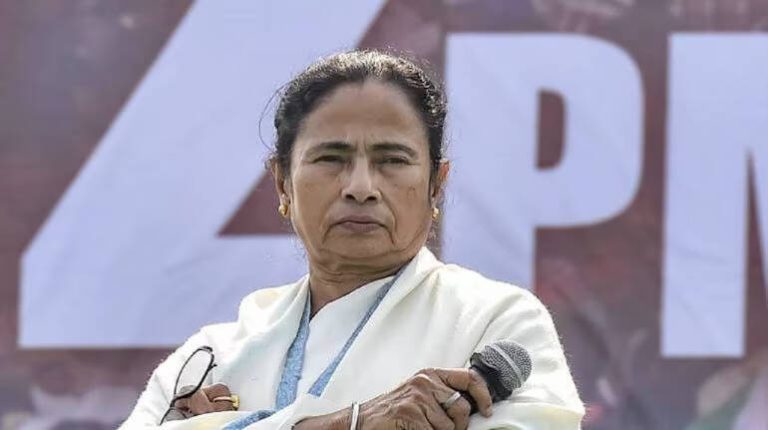
In a shocking statement, West Bengal Chief Minister Mamata Banerjee has accused the Election Commission of India (ECI) of using “black magic” to remove legitimate voters from the electoral rolls. Launching a scathing attack on the commission, CM Mamata said, “They thought that by engaging in a black game and performing black magic they would snatch the democratic rights of the people.” This statement has sparked a heated debate in the country, with many questioning the integrity of the Election Commission and the electoral process.
The Chief Minister’s comments come at a time when the Election Commission is facing criticism for its handling of the electoral process in West Bengal. The state is scheduled to go to polls soon, and the EC has been under pressure to ensure a free and fair election. However, CM Mamata’s allegations have raised concerns about the commission’s impartiality and its willingness to manipulate the electoral process.
According to CM Mamata, the Election Commission has been removing legitimate voters from the electoral rolls, allegedly to benefit the ruling party at the center. She claimed that this is a deliberate attempt to disenfranchise certain sections of the population, particularly those who are likely to vote against the ruling party. The Chief Minister also alleged that the EC has been using “black magic” to achieve this goal, a claim that has been met with skepticism by many.
While the Election Commission has not responded to CM Mamata’s allegations, it is clear that the relationship between the commission and the West Bengal government has deteriorated significantly. The EC has been at odds with the state government over several issues, including the deployment of central forces and the use of electronic voting machines. The commission has also been criticized for its handling of the electoral process in other states, with many opposition parties alleging that it is biased towards the ruling party.
The use of the term “black magic” by CM Mamata is significant, as it suggests that the Election Commission is engaging in unfair and undemocratic practices. The term “black magic” is often associated with witchcraft and the occult, and its use in this context implies that the EC is using underhanded and mysterious tactics to manipulate the electoral process. While this claim is unlikely to be taken literally, it highlights the deep-seated mistrust that many people have in the Election Commission and its ability to conduct free and fair elections.
The allegations made by CM Mamata are not without precedent. There have been several instances in the past where the Election Commission has been accused of bias and manipulation. In 2019, the opposition parties had alleged that the EC was biased towards the ruling party, and that it had failed to take action against hate speech and other forms of electoral malpractice. The commission had also been criticized for its handling of the electoral process in several states, including Uttar Pradesh and Bihar.
The controversy surrounding the Election Commission highlights the need for greater transparency and accountability in the electoral process. The EC is a constitutional body that is responsible for conducting free and fair elections, and it is essential that it is seen to be impartial and unbiased. The allegations made by CM Mamata and other opposition parties have raised concerns about the integrity of the electoral process, and it is essential that these concerns are addressed.
In conclusion, the allegations made by West Bengal Chief Minister Mamata Banerjee against the Election Commission are serious and warrant further investigation. The use of the term “black magic” to describe the commission’s actions is a clear indication of the deep-seated mistrust that many people have in the electoral process. It is essential that the Election Commission takes steps to address these concerns and to ensure that the electoral process is free, fair, and transparent. The integrity of the electoral process is essential to the health of democracy, and it is essential that all stakeholders work together to ensure that the process is conducted in a fair and impartial manner.
The controversy surrounding the Election Commission is a reminder that the electoral process is not just about voting, but about the underlying values of democracy, including transparency, accountability, and fairness. It is essential that all stakeholders, including the Election Commission, political parties, and civil society, work together to ensure that the electoral process is conducted in a manner that is consistent with these values.
As the country prepares for another round of elections, it is essential that the Election Commission takes steps to address the concerns that have been raised about its impartiality and integrity. The commission must be seen to be fair and unbiased, and it must take steps to ensure that the electoral process is transparent and accountable. The allegations made by CM Mamata and other opposition parties are a wake-up call for the Election Commission, and it is essential that the commission takes these allegations seriously and takes steps to address them.
About the Author