EC using ‘Black magic’ to remove legitimate voters: WB CM
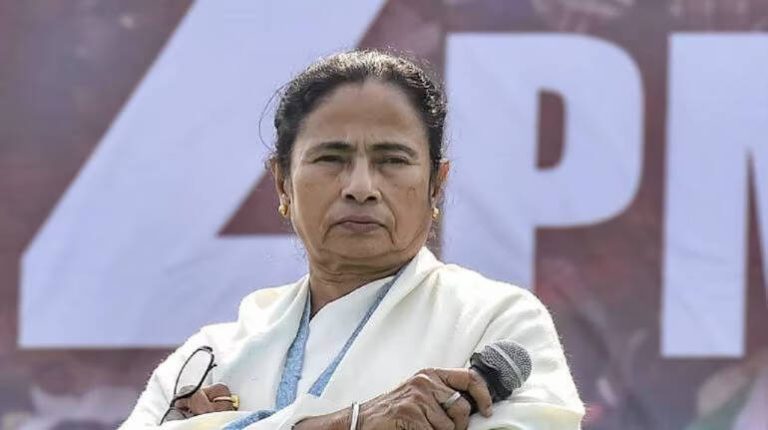
In a shocking and unprecedented outburst, West Bengal Chief Minister Mamata Banerjee has taken a jibe at the Election Commission, alleging that it is removing “legitimate voters” by using “black magic”. Launching a scathing attack on the commission, CM Mamata said, “They thought that by engaging in a black game and performing black magic they would snatch the democratic rights of the people”. This statement has sparked a heated debate and raised questions about the integrity of the electoral process in the country.
The Election Commission of India is an autonomous and constitutional body responsible for administering and conducting free and fair elections in the country. It is mandated to ensure that the electoral process is transparent, impartial, and accessible to all eligible citizens. However, the recent allegations made by CM Mamata Banerjee have cast a shadow on the commission’s credibility and raised concerns about the potential manipulation of the electoral rolls.
According to CM Mamata, the Election Commission is using “black magic” to remove legitimate voters from the electoral rolls, which could potentially influence the outcome of elections. She claimed that this is a deliberate attempt to disenfranchise certain sections of the population and undermine the democratic process. The West Bengal Chief Minister also accused the commission of engaging in a “black game” to snatch the democratic rights of the people.
The allegations made by CM Mamata are not entirely unfounded. There have been instances in the past where errors and discrepancies have been reported in the electoral rolls, leading to the exclusion of eligible voters. In some cases, voters have found their names missing from the electoral rolls, while in others, names of deceased individuals or fictitious persons have been found to be included. These errors can have a significant impact on the outcome of elections, particularly in closely contested constituencies.
The use of technology and data analytics has also raised concerns about the potential manipulation of electoral rolls. The Election Commission has been using technology to update and maintain the electoral rolls, but this has also created opportunities for errors and manipulation. The use of algorithms and data analytics can lead to biases and discrepancies in the electoral rolls, which can have a disproportionate impact on certain sections of the population.
The allegations made by CM Mamata have also highlighted the need for greater transparency and accountability in the electoral process. The Election Commission needs to ensure that the electoral rolls are accurate, up-to-date, and inclusive of all eligible citizens. The commission should also provide clear and transparent information about the process of updating and maintaining the electoral rolls, as well as the criteria used to determine eligibility.
Furthermore, the Election Commission should take steps to address the concerns raised by CM Mamata and other stakeholders. This includes conducting regular audits and verification of the electoral rolls, as well as providing opportunities for citizens to verify their enrollment and registration. The commission should also establish an effective grievance redressal mechanism to address complaints and concerns raised by citizens.
In conclusion, the allegations made by West Bengal Chief Minister Mamata Banerjee about the Election Commission using “black magic” to remove legitimate voters are a cause for concern. While the commission has a crucial role to play in ensuring the integrity of the electoral process, it is also important to ensure that the electoral rolls are accurate, inclusive, and transparent. The Election Commission should take steps to address the concerns raised by CM Mamata and other stakeholders, and work towards establishing a more robust and transparent electoral process.
The controversy surrounding the Election Commission’s alleged use of “black magic” to remove legitimate voters has sparked a heated debate about the integrity of the electoral process. As the country prepares for upcoming elections, it is essential to ensure that the electoral process is free, fair, and transparent. The Election Commission should take steps to address the concerns raised by CM Mamata and other stakeholders, and work towards establishing a more robust and transparent electoral process.
In the end, it is the responsibility of the Election Commission to ensure that the electoral process is conducted in a fair and transparent manner. The commission should take all necessary steps to address the concerns raised by CM Mamata and other stakeholders, and work towards establishing a more robust and transparent electoral process. The integrity of the electoral process is essential to the health of democracy, and it is essential that all stakeholders work together to ensure that the electoral process is free, fair, and transparent.
About the Author