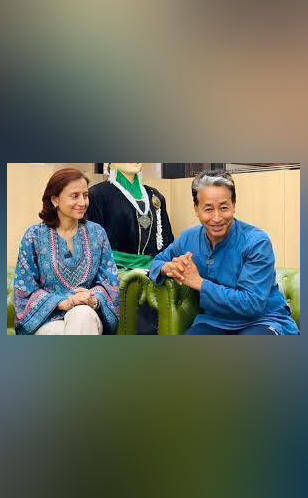
Didn’t feel like watching R-Day parade for 1st time: Wangchuk’s wife
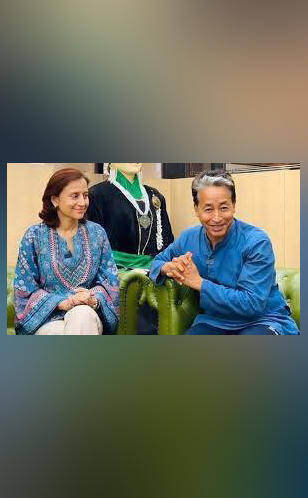
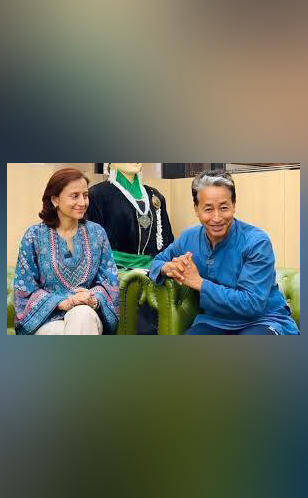
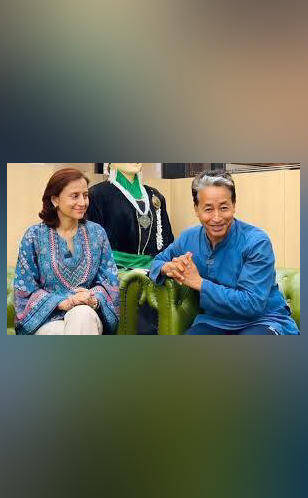
As India celebrated its 74th Republic Day on January 26, 2024, with grandeur and pomp, a sense of disillusionment and disappointment seemed to have settled in the hearts of many. Among them was Gitanjali, the wife of Sonam Wangchuk, a renowned educator and innovator from Ladakh. In a heartfelt and introspective post, Gitanjali expressed her feelings of disconnection and disillusionment with the Republic Day celebrations, stating that for the first time, she didn’t feel motivated to watch the parade.
Gitanjali’s words echoed the sentiments of many who have been feeling increasingly disconnected from the idea of India that the Republic Day parade represents. She said, “It’s sad, but I don’t know how much to feel proud of what’s showcased anymore! What to believe and what not to!” These words reflect a deeper sense of unease and uncertainty that has been growing among many Indians, particularly in the wake of recent events that have raised questions about the country’s commitment to its founding principles of democracy, equality, and justice.
Sonam Wangchuk, Gitanjali’s husband, has been in Jodhpur jail since September 2025, and his detention has been a subject of much controversy and debate. Wangchuk, who is known for his innovative and sustainable approaches to education, has been a vocal advocate for the rights of the people of Ladakh and has been critical of the government’s policies in the region. His detention has been seen by many as an attempt to silence his voice and suppress his activism.
Gitanjali’s statement is significant not just because of her personal connection to Wangchuk, but also because it reflects a broader sense of disillusionment among many Indians who have been feeling increasingly disconnected from the idea of India that the Republic Day parade represents. The parade, which is meant to be a celebration of India’s diversity, unity, and progress, has become a spectacle that is increasingly seen as a display of military might and nationalist fervor.
As Gitanjali’s words suggest, many Indians are no longer sure what to believe or what to feel proud of. The country’s democratic institutions are under strain, and the values of equality, justice, and freedom that are enshrined in the Constitution are being eroded. The government’s policies and actions have created an atmosphere of fear and uncertainty, and many people are feeling increasingly marginalized and excluded.
In this context, Gitanjali’s decision not to watch the Republic Day parade is a powerful statement of protest and resistance. It is a refusal to participate in a celebration that has become increasingly hollow and meaningless. It is also a testament to the growing sense of disillusionment and discontent among many Indians who are no longer willing to accept the status quo and are demanding change.
As we reflect on Gitanjali’s words and the sentiments they express, we are reminded of the importance of critical thinking and dissent in a democratic society. We are also reminded of the need for a more nuanced and inclusive understanding of what it means to be Indian, one that recognizes the diversity and complexity of the country and its people.
In conclusion, Gitanjali’s statement is a powerful reminder of the need for a more critical and nuanced understanding of the idea of India and its values. It is a call to action, a reminder that we must all be vigilant and demanding of our leaders and our institutions. We must ensure that the values of democracy, equality, and justice are upheld and that the rights of all citizens are protected. Only then can we truly celebrate the idea of India and feel proud of what it represents.
News source: https://x.com/GitanjaliAngmo/status/2015790605637747092
About the Author