Crocodile Tears: Shivraj on Congress’ ‘MGNREGA Bachao’ Protest
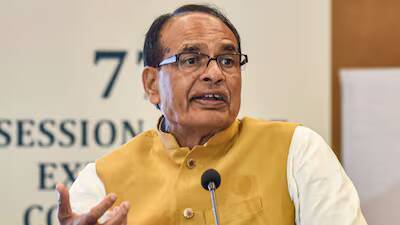
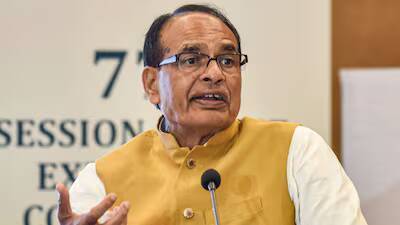
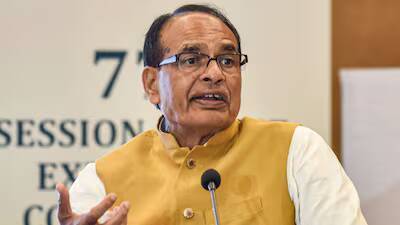
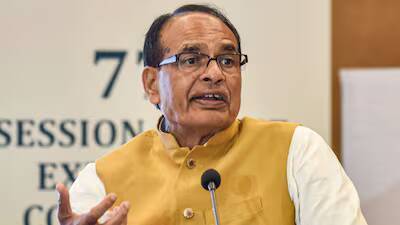
The Indian political landscape is known for its dramatic twists and turns, and the recent controversy surrounding the Mahatma Gandhi National Rural Employment Guarantee Act (MGNREGA) is no exception. The Congress party has been vocal about its opposition to the replacement of MGNREGA with the VB-G RAM G Act, and has even announced plans to launch a nationwide protest, dubbed ‘MGNREGA Bachao’, starting from January 5. However, Union Minister Shivraj Singh Chouhan has accused the Congress of shedding “crocodile tears” over the issue, sparking a fresh debate over the motivations behind the Congress’ actions.
According to Chouhan, the Congress’ clamour over the MGNREGA revamp is “purely political” and lacks substance. He pointed out that the Congress has, in the past, reduced the budget for MGNREGA on multiple occasions, which raises questions about the party’s commitment to the scheme. “This is the same Congress that, from time to time, reduced the budget for MGNREGA,” Chouhan said, highlighting the party’s inconsistent stance on the issue. By accusing the Congress of being insincere in its opposition to the MGNREGA revamp, Chouhan has effectively turned the tables on the party and shifted the focus away from the merits of the new VB-G RAM G Act.
The MGNREGA scheme was introduced in 2006 by the Congress-led UPA government, with the aim of providing a safety net for rural households by guaranteeing a minimum of 100 days of unskilled manual work per year. However, over the years, the scheme has faced numerous challenges, including funding constraints, corruption, and inefficiencies. The Modi government’s decision to replace MGNREGA with the VB-G RAM G Act has been seen as an attempt to address some of these issues and provide a more effective and efficient framework for rural employment.
The Congress, however, has been quick to criticize the move, arguing that the new Act will undermine the rights of rural workers and compromise the social security net provided by MGNREGA. The party has also accused the government of trying to dismantle the scheme, which it claims has been a lifeline for millions of rural households. The ‘MGNREGA Bachao’ protest, which is scheduled to start from January 5, is seen as an attempt by the Congress to mobilize public opinion against the government’s decision and put pressure on it to reconsider the MGNREGA revamp.
However, Chouhan’s comments have raised questions about the Congress’ motivations behind the protest. Is the party genuinely concerned about the welfare of rural workers, or is it simply trying to score political points by opposing the government’s decision? The fact that the Congress has, in the past, reduced the budget for MGNREGA suggests that the party’s commitment to the scheme may not be as strong as it claims. By highlighting this inconsistency, Chouhan has effectively undermined the Congress’ argument and raised doubts about the party’s sincerity.
The controversy surrounding MGNREGA is a classic example of the political gamesmanship that is characteristic of Indian politics. Both the government and the opposition are engaged in a war of words, with each side trying to outmaneuver the other and gain the upper hand. While the Congress is trying to project itself as the champion of rural workers’ rights, the government is seeking to portray the opposition as obstructionist and opposed to reform.
As the debate over MGNREGA continues to unfold, it is essential to separate the rhetoric from the reality. The fact is that the scheme has faced numerous challenges over the years, and a revamp may be necessary to make it more effective and efficient. However, it is also important to ensure that the rights of rural workers are protected and that the social security net provided by MGNREGA is not compromised.
In the end, the outcome of the controversy will depend on which side is able to persuade the public that its stance is genuine and in the best interests of the country. While the Congress may be able to mobilize public opinion against the government’s decision, it is unlikely to succeed in its efforts to discredit the government entirely. The fact remains that the MGNREGA scheme has been plagued by problems, and a revamp may be necessary to address these issues.
As the ‘MGNREGA Bachao’ protest gets underway, it will be interesting to see how the controversy unfolds. Will the Congress be able to sustain its momentum and put pressure on the government to reconsider its decision? Or will the government be able to persuade the public that its decision is in the best interests of the country? Only time will tell.
About the Author