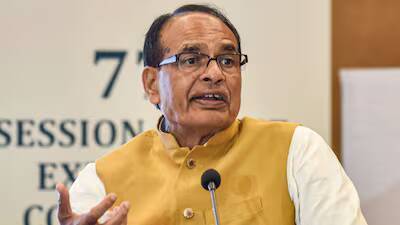
Crocodile Tears: Shivraj on Congress’ ‘MGNREGA Bachao’ Protest
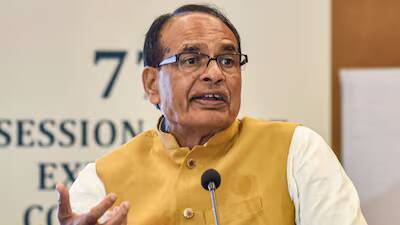
The recent announcement of replacing the Mahatma Gandhi National Rural Employment Guarantee Act (MGNREGA) with the VB-G RAM G Act has sparked a heated debate in the country. The Congress party has been vocal about its opposition to this move, vowing to launch the ‘MGNREGA Bachao’ protest from January 5. However, Union Minister Shivraj Singh Chouhan has accused the Congress of shedding “crocodile tears” over the issue, stating that their clamour is purely political.
According to Chouhan, the Congress party has been reducing the budget for MGNREGA from time to time, which raises questions about their sincerity in opposing the replacement of the Act. “The Congress’s clamour is purely political…This is the same Congress that, from time to time, reduced the budget for MGNREGA,” he said. This statement highlights the hypocrisy of the Congress party, which has been criticizing the government for replacing MGNREGA, despite their own track record of reducing funds for the scheme.
The MGNREGA was enacted in 2005 with the aim of providing a legal guarantee of employment to rural laborers. The scheme has been instrumental in providing livelihood support to millions of people in rural India. However, the government has decided to replace it with the VB-G RAM G Act, which has sparked widespread criticism from opposition parties and social activists.
The Congress party has been at the forefront of the criticism, arguing that the replacement of MGNREGA will harm the interests of rural laborers. The party has vowed to launch the ‘MGNREGA Bachao’ protest from January 5, which will involve rallies, demonstrations, and other forms of protest across the country. However, Chouhan’s statement has raised questions about the sincerity of the Congress party’s opposition to the replacement of MGNREGA.
It is true that the Congress party has a history of reducing the budget for MGNREGA. During the United Progressive Alliance (UPA) regime, the budget for MGNREGA was reduced several times, which had a negative impact on the implementation of the scheme. This raises questions about the Congress party’s commitment to the scheme and its beneficiaries.
On the other hand, the government has argued that the replacement of MGNREGA with the VB-G RAM G Act is necessary to streamline the scheme and make it more effective. The government has stated that the new Act will provide more flexibility to states to implement the scheme, which will lead to better outcomes for rural laborers.
However, social activists and opposition parties have raised concerns about the impact of the replacement of MGNREGA on rural laborers. They argue that the new Act will lead to a reduction in the number of days of employment guaranteed to laborers, which will harm their livelihoods. They also argue that the new Act will give more power to state governments, which may not have the same level of commitment to the scheme as the central government.
In conclusion, the replacement of MGNREGA with the VB-G RAM G Act has sparked a heated debate in the country. While the Congress party has been vocal about its opposition to the move, Union Minister Shivraj Singh Chouhan has accused the party of shedding “crocodile tears” over the issue. The statement highlights the hypocrisy of the Congress party, which has a history of reducing the budget for MGNREGA.
As the country debates the merits and demerits of the replacement of MGNREGA, it is essential to look at the track record of all parties involved. The Congress party’s opposition to the replacement of MGNREGA must be seen in the context of their own history of reducing funds for the scheme. Similarly, the government’s arguments in favor of the replacement of MGNREGA must be evaluated in the context of their commitment to the scheme and its beneficiaries.
Ultimately, the replacement of MGNREGA with the VB-G RAM G Act must be evaluated on its merits, rather than being driven by political considerations. The government must ensure that the new Act does not harm the interests of rural laborers, who are the primary beneficiaries of the scheme. The opposition parties, including the Congress, must also be sincere in their opposition to the replacement of MGNREGA, rather than using it as a political tool to criticize the government.
About the Author