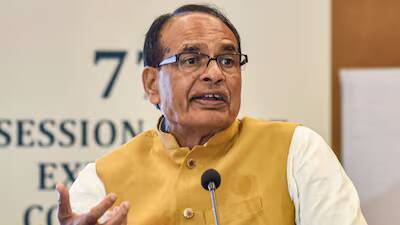
Crocodile Tears: Shivraj on Congress’ ‘MGNREGA Bachao’ Protest
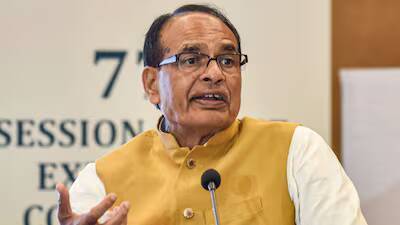
The Indian political landscape is no stranger to protests and demonstrations, with various parties and organizations often taking to the streets to voice their concerns and grievances. Recently, the Congress party announced its plans to launch the ‘MGNREGA Bachao’ protest from January 5, in response to the replacement of the Mahatma Gandhi National Rural Employment Guarantee Act (MGNREGA) with the VB-G RAM G Act. However, Union Minister Shivraj Singh Chouhan has accused the Congress of shedding “crocodile tears” over the issue, stating that their clamour is purely political.
According to Chouhan, the Congress party’s concerns about the replacement of MGNREGA are nothing more than a political ploy to garner attention and sympathy. He pointed out that the Congress party, during its time in power, had consistently reduced the budget for MGNREGA, thereby undermining the very programme they are now claiming to want to protect. This criticism is not entirely unfounded, as the Congress party’s track record on MGNREGA has been somewhat inconsistent.
MGNREGA was first introduced in 2006, during the United Progressive Alliance (UPA) government, with the aim of providing guaranteed employment to rural households. The programme was designed to provide a safety net for the poor and vulnerable, and was seen as a key initiative in the fight against poverty and hunger. However, over the years, the programme has faced numerous challenges, including funding constraints, implementation issues, and corruption.
Despite these challenges, MGNREGA has been widely acknowledged as a successful programme, with many studies and reports highlighting its positive impact on rural livelihoods and poverty reduction. However, the programme has also been subject to criticism and controversy, with some arguing that it is poorly implemented, corrupt, and ineffective.
The replacement of MGNREGA with the VB-G RAM G Act has been seen as a significant development, with many arguing that it will undermine the guarantees and protections provided by the original programme. The VB-G RAM G Act is seen as a more restrictive and less generous programme, which will provide less employment and lower wages to rural households.
In response to these concerns, the Congress party has vowed to launch the ‘MGNREGA Bachao’ protest, which aims to raise awareness about the importance of the programme and the need to protect it. However, Chouhan’s criticism of the Congress party’s motives has raised questions about the sincerity of their concerns.
Is the Congress party truly committed to protecting MGNREGA, or is this just a political ploy to gain sympathy and attention? The answer to this question is not entirely clear, but one thing is certain – the replacement of MGNREGA with the VB-G RAM G Act is a significant development that will have far-reaching consequences for rural households and the poor.
As the debate over MGNREGA and the VB-G RAM G Act continues, it is essential to examine the facts and the evidence, rather than relying on political rhetoric and posturing. The Congress party’s track record on MGNREGA is certainly questionable, and their motives for launching the ‘MGNREGA Bachao’ protest are not entirely clear.
However, it is also important to recognize that the replacement of MGNREGA with the VB-G RAM G Act is a significant development that will have real consequences for rural households and the poor. The programme has been a lifeline for many, providing employment, income, and dignity to those who need it most.
As the ‘MGNREGA Bachao’ protest gets underway, it is essential to keep the focus on the facts and the evidence, rather than getting bogged down in political rhetoric and point-scoring. The future of MGNREGA and the well-being of rural households and the poor depend on it.
In conclusion, the debate over MGNREGA and the VB-G RAM G Act is a complex and multifaceted one, with many different perspectives and opinions. While the Congress party’s motives for launching the ‘MGNREGA Bachao’ protest may be questionable, it is essential to recognize the significance of the programme and the need to protect it.
As the discussion continues, it is essential to examine the facts and the evidence, rather than relying on political rhetoric and posturing. The future of MGNREGA and the well-being of rural households and the poor depend on it.
About the Author