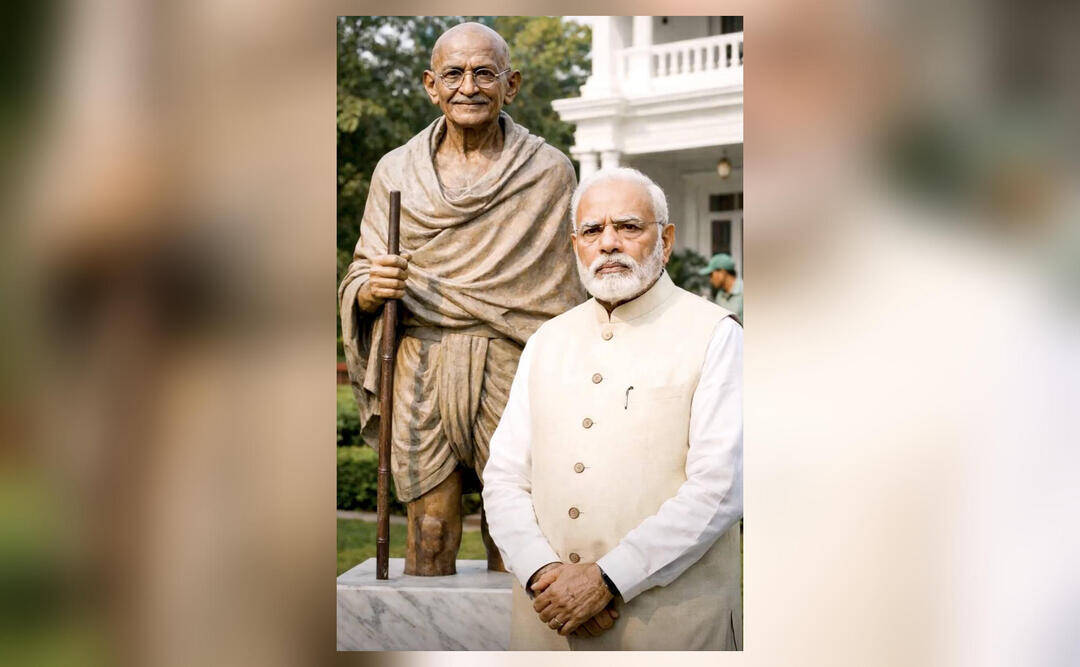
Congress posts AI video of PM talking to Mahatma Gandhi on MGNREGA
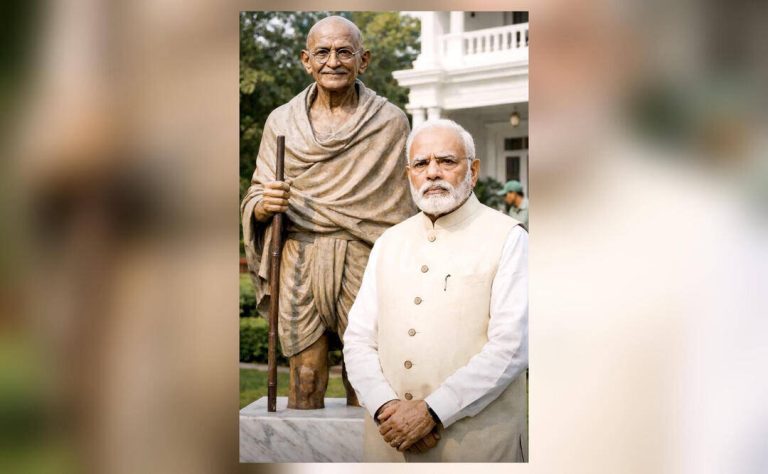
In a bold and unconventional move, the Congress party has posted an AI-generated video on social media, which shows Prime Minister Narendra Modi engaging in a conversation with a statue of Mahatma Gandhi. The topic of discussion in the video is the proposed replacement of the Mahatma Gandhi National Rural Employment Guarantee Act (MGNREGA) with the Vishwakarma Bhavan-Rashtriya Gramin Aajeevika Mission (VB-G RAM G) Act. The clip has sparked a heated debate on social media, with many users praising the creativity of the video while others have criticized it for being misleading and disrespectful.
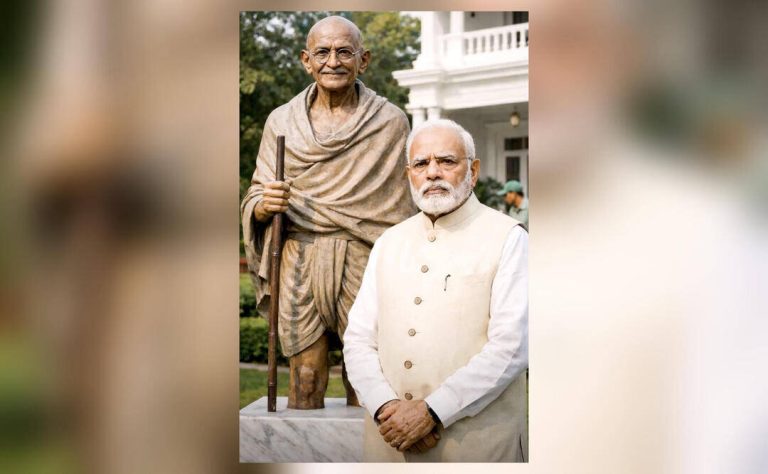
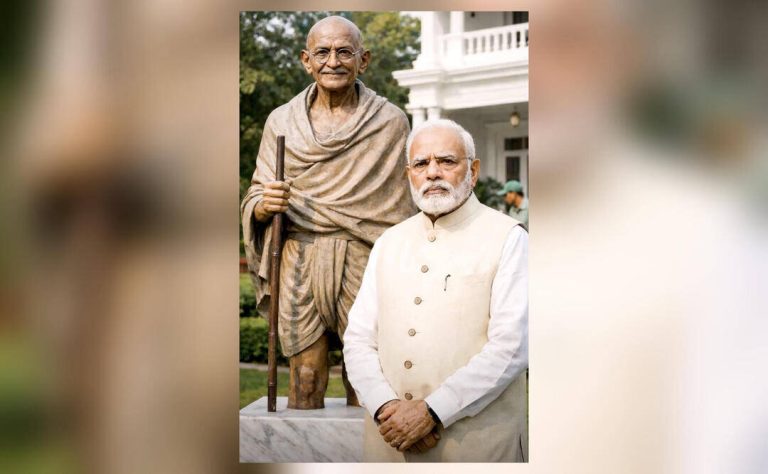
The video, which has been widely shared on Twitter and other social media platforms, shows PM Modi standing in front of a statue of Mahatma Gandhi, speaking to it as if it were a real person. In the clip, PM Modi is heard saying, “I don’t like the fact that the world recognizes India through me and not through RSS.” The statue of Mahatma Gandhi then responds, “RSS can erase Gandhi, but his thoughts will always live.” The video has been viewed millions of times, and the comments section is filled with reactions ranging from amusement to outrage.
The MGNREGA, which was introduced by the UPA government in 2006, provides a guarantee of 100 days of wage-employment in a year to rural laborers. The scheme has been widely praised for its impact on rural poverty and has been seen as a vital social safety net for millions of Indians. However, the current government has proposed replacing it with the VB-G RAM G Act, which has sparked concerns among many stakeholders.
The Congress party has been vocal in its opposition to the proposed replacement, arguing that it will undermine the rights of rural laborers and weaken the social safety net. The party has also accused the government of trying to erase the legacy of Mahatma Gandhi and undermine the values of secularism and social justice that he represented.
The use of AI-generated video in this context is significant, as it highlights the increasing use of technology in political communication. The video is a clever example of how AI can be used to create persuasive and engaging content that can go viral on social media. However, it also raises questions about the ethics of using AI in this way, particularly when it involves creating fake conversations between real people and statues.
The video has been widely shared and discussed on social media, with many users praising the creativity and humor of the clip. However, others have criticized it for being misleading and disrespectful, arguing that it is inappropriate to use AI to create fake conversations between real people and statues.
In conclusion, the AI-generated video posted by the Congress party has sparked a heated debate on social media, with many users praising its creativity while others have criticized it for being misleading and disrespectful. The video highlights the increasing use of technology in political communication and raises important questions about the ethics of using AI in this way. As the debate around the proposed replacement of MGNREGA continues, it will be interesting to see how the government and the opposition respond to this innovative use of AI in political communication.
The Congress party’s use of AI-generated video is a clever tactic, but it remains to be seen whether it will have a significant impact on the debate around MGNREGA. The party’s opposition to the proposed replacement is based on sound arguments about the importance of social safety nets and the need to protect the rights of rural laborers. However, the use of AI-generated video adds a new dimension to the debate, highlighting the creative ways in which technology can be used to communicate complex ideas and values.
As the debate around MGNREGA continues, it is essential to focus on the substance of the issue rather than getting distracted by the clever use of AI. The proposed replacement of MGNREGA with the VB-G RAM G Act has significant implications for rural laborers and the social safety net, and it is crucial that policymakers and stakeholders engage in a thoughtful and informed discussion about the pros and cons of the proposal.
In the end, the use of AI-generated video by the Congress party is a clever tactic, but it is only one aspect of a broader debate about the future of social safety nets in India. As we move forward, it is essential to prioritize the needs and rights of rural laborers and to ensure that any changes to MGNREGA are made with their interests in mind.
News source: https://x.com/INCIndia/status/2003054650417893420
About the Author