Congress posts AI video of PM talking to Mahatma Gandhi on MGNREGA
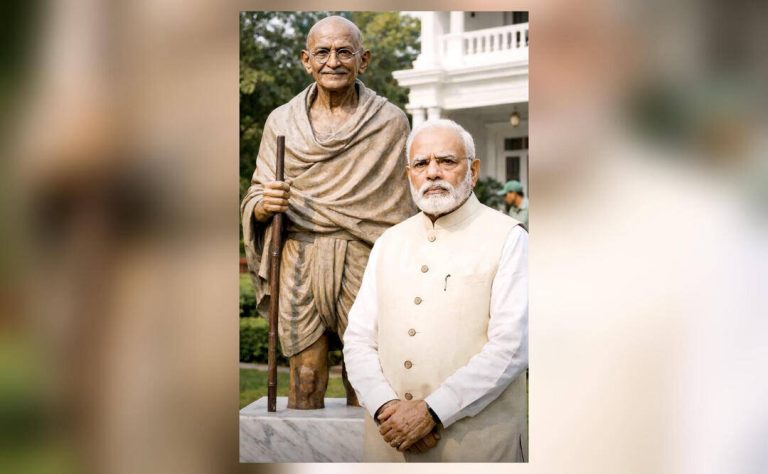
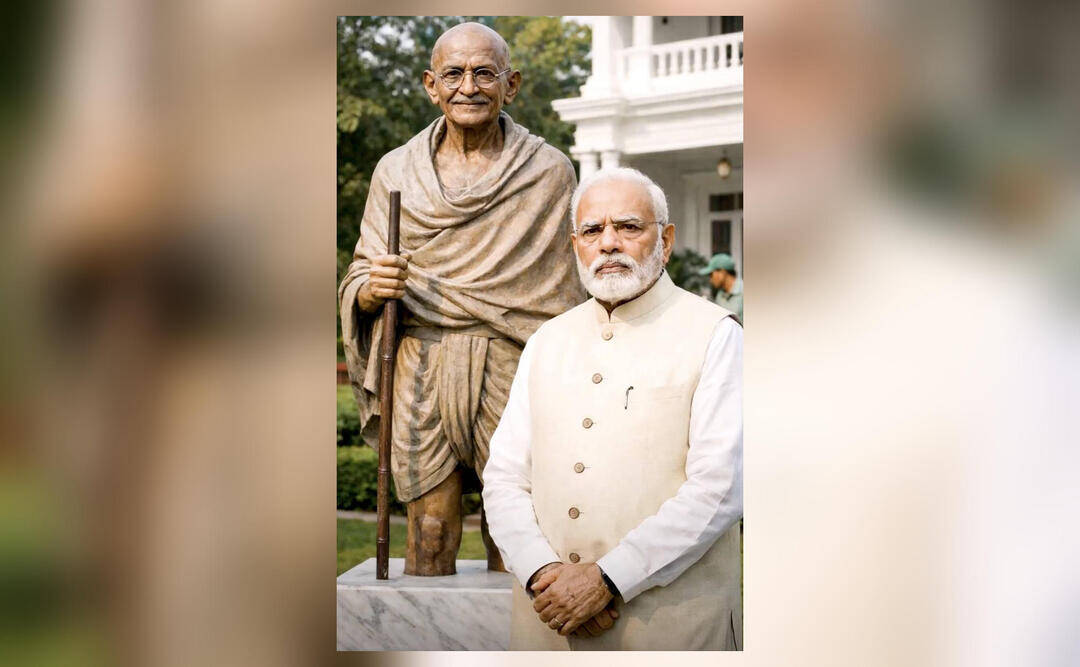
In a shocking turn of events, the Indian National Congress has posted an AI-generated video on social media, which has sparked a heated debate across the country. The video shows Prime Minister Narendra Modi engaging in a conversation with a statue of Mahatma Gandhi, discussing the replacement of the Mahatma Gandhi National Rural Employment Guarantee Act (MGNREGA) with the Vishwa Bharati Garib Ramgath (VB-G RAM G) Act. The clip has raised eyebrows, not only for its unusual content but also for the bold statements made by the Prime Minister in the video.
The AI-generated video begins with PM Modi approaching the statue of Mahatma Gandhi and initiating a conversation. The Prime Minister is seen expressing his dissatisfaction with the fact that the world recognizes India through him, rather than through the Rashtriya Swayamsevak Sangh (RSS). This statement has come as a surprise to many, as PM Modi has often been associated with the RSS, a Hindu nationalist organization. The Prime Minister’s words in the video suggest that he feels overshadowed by the global recognition he receives, and instead, wishes to promote the RSS as the face of India.
The statue of Mahatma Gandhi, however, responds to the Prime Minister’s statement with a strong message. The statue says, “RSS can erase Gandhi, but his thoughts will always live.” This statement is a clear reference to the ideals and principles of Mahatma Gandhi, which have been a guiding force for the country. The response from the statue is a powerful reminder that the legacy of Mahatma Gandhi continues to inspire and influence people, despite attempts to erase or undermine his contributions.
The conversation between PM Modi and the statue of Mahatma Gandhi is a clear indication of the ongoing debate surrounding the MGNREGA and its proposed replacement with the VB-G RAM G Act. The MGNREGA, which was enacted in 2006, aims to provide a legal guarantee of employment to rural laborers, ensuring a minimum of 100 days of wage employment per year. The scheme has been instrumental in providing a safety net for millions of rural households, helping them to cope with poverty and economic uncertainty.
On the other hand, the VB-G RAM G Act, which is being proposed as a replacement for the MGNREGA, has been met with skepticism by many experts and critics. The new act is seen as an attempt to undermine the existing guarantees provided by the MGNREGA, and instead, promote a more restrictive and conditional approach to employment generation. The proposed act has been criticized for its potential to exacerbate poverty and inequality, particularly in rural areas.
The AI-generated video posted by the Congress has sparked a heated debate on social media, with many users expressing their opinions on the proposed replacement of the MGNREGA. While some have welcomed the idea of a new act, others have expressed concerns about the potential consequences of such a move. The video has also raised questions about the role of the RSS in shaping the government’s policies and decisions.
In conclusion, the AI-generated video posted by the Congress has brought to the forefront the ongoing debate surrounding the MGNREGA and its proposed replacement with the VB-G RAM G Act. The conversation between PM Modi and the statue of Mahatma Gandhi has highlighted the tensions between the government’s policies and the ideals of the nation’s founding fathers. As the country continues to grapple with the challenges of poverty, inequality, and economic uncertainty, it is essential to have a nuanced and informed discussion about the role of employment guarantee schemes like the MGNREGA.
The video has also raised important questions about the use of AI-generated content in politics and the potential implications of such technology on the democratic process. As AI technology continues to evolve and improve, it is likely that we will see more such videos and content in the future. However, it is essential to approach such content with a critical eye, recognizing the potential for manipulation and misinformation.
Source: https://x.com/INCIndia/status/2003054650417893420
About the Author