Congress posts AI video of PM talking to Mahatma Gandhi on MGNREGA
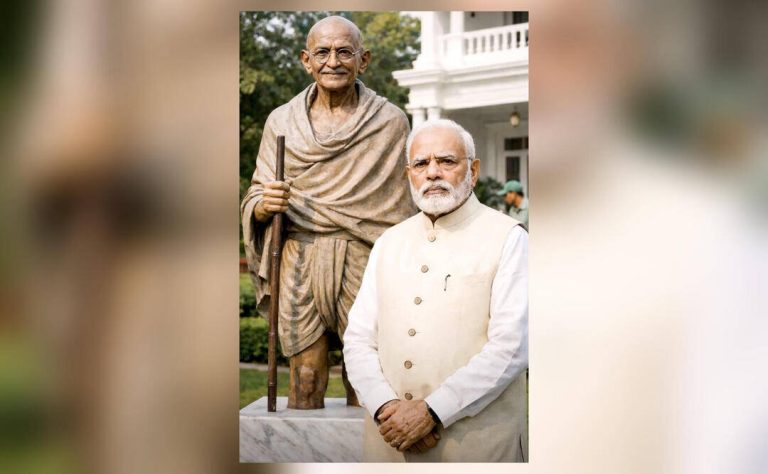
In a bold and creative move, the Indian National Congress has posted an AI-generated video on their social media handles, which shows Prime Minister Narendra Modi engaging in a conversation with a statue of Mahatma Gandhi. The topic of discussion in the video is the proposed replacement of the Mahatma Gandhi National Rural Employment Guarantee Act (MGNREGA) with the Vishwa Bharati Garib Ramghar Awas Yojna (VB-G RAM G Act). The video has sparked a heated debate on social media, with many praising the creativity and message of the clip, while others have criticized it for being misleading and disrespectful.
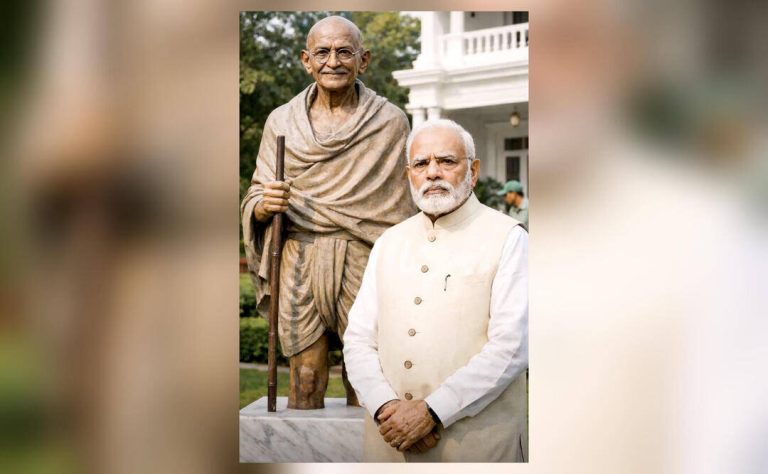
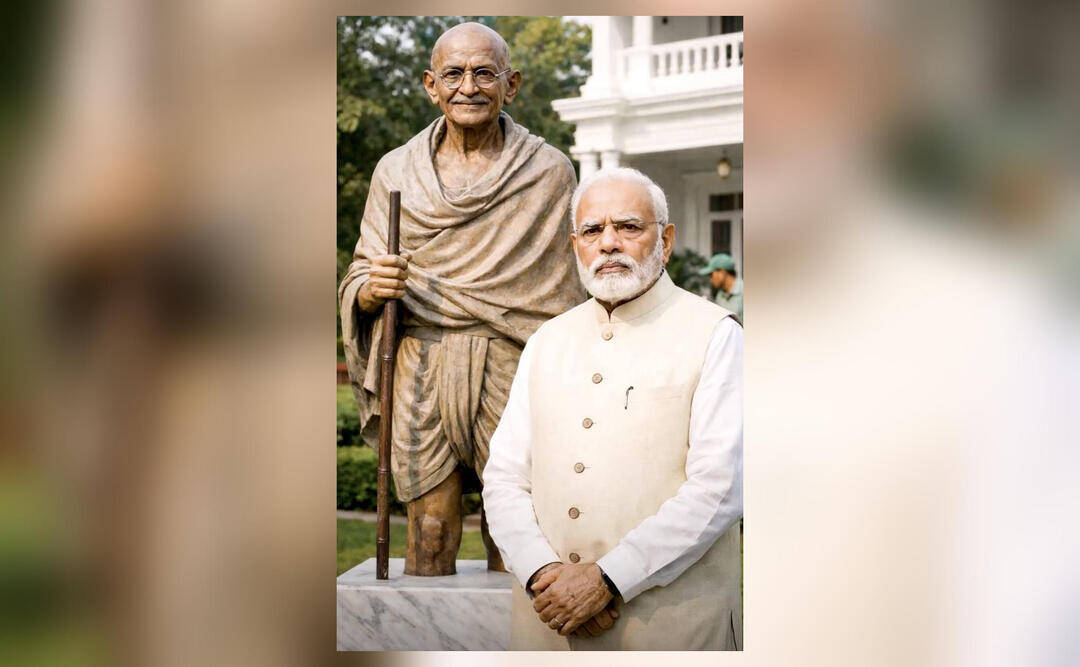
In the video, PM Modi is seen standing in front of a statue of Mahatma Gandhi, explaining his plans to replace MGNREGA with the VB-G RAM G Act. The statue, surprisingly, comes to life and responds to the Prime Minister’s statements. The conversation between the two is thought-provoking and highlights the concerns of the Congress party regarding the proposed changes to MGNREGA.
At one point in the video, PM Modi is heard saying, “I don’t like the fact that the world recognizes India through me and not through RSS.” This statement is met with a powerful response from the statue of Mahatma Gandhi, who says, “RSS can erase Gandhi, but his thoughts will always live.” This exchange has been particularly noteworthy, as it highlights the perceived attempts by the ruling party to undermine the legacy of Mahatma Gandhi and the values he represented.
The MGNREGA, which was introduced by the Congress-led UPA government in 2006, guarantees 100 days of wage employment per year to rural households. The scheme has been instrumental in providing livelihood support to millions of people in rural India and has been widely acclaimed for its positive impact on poverty reduction and rural development.
The proposed replacement of MGNREGA with the VB-G RAM G Act has been met with resistance from the Congress party and other opposition parties, who argue that the new scheme is designed to undermine the rights of rural workers and benefit the ruling party’s allies. The Congress party has been vocal in its opposition to the proposed changes, citing concerns about the impact on rural employment, poverty, and the overall well-being of rural communities.
The use of AI-generated video by the Congress party is a significant development in the realm of political communication. The technology has enabled the party to create a powerful and engaging visual narrative that highlights their concerns and message in a creative and impactful way. The video has been widely shared on social media, and its message has resonated with many people who are concerned about the proposed changes to MGNREGA.
However, the video has also been criticized by some for being misleading and disrespectful. Some have argued that the use of Mahatma Gandhi’s statue in the video is an attempt to politicize the legacy of the Father of the Nation. Others have questioned the accuracy of the statements made by PM Modi in the video, citing concerns about the potential for misinformation and manipulation.
In conclusion, the AI-generated video posted by the Congress party has sparked a significant debate about the proposed replacement of MGNREGA with the VB-G RAM G Act. The video’s message has resonated with many people, highlighting concerns about the impact of the proposed changes on rural employment, poverty, and the overall well-being of rural communities. While the use of AI-generated video is a significant development in political communication, it is essential to ensure that such technology is used responsibly and ethically, without resorting to misinformation or manipulation.
Source: https://x.com/INCIndia/status/2003054650417893420
About the Author