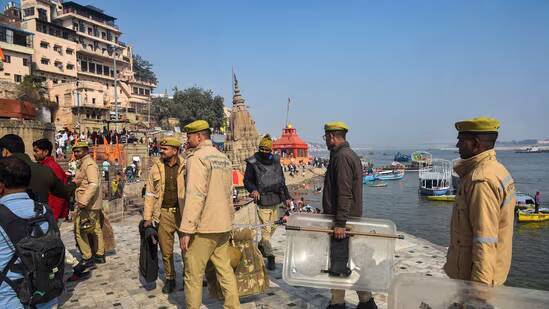
Broken idols brought from outside: UP CM Yogi amid row over Manikarnika Ghat renovation
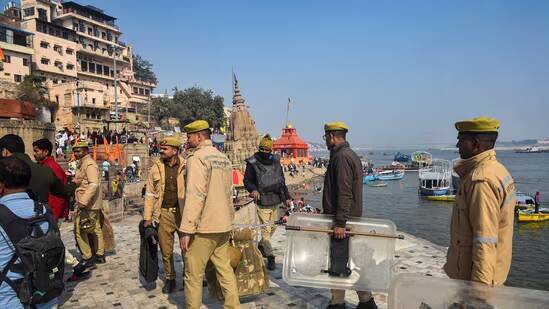
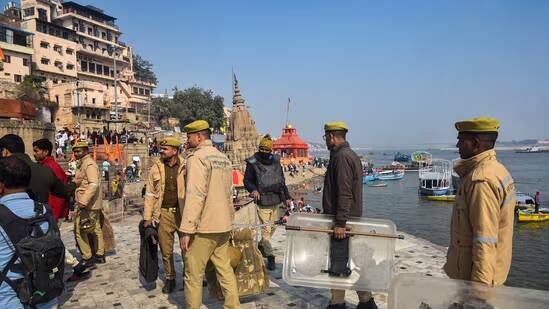
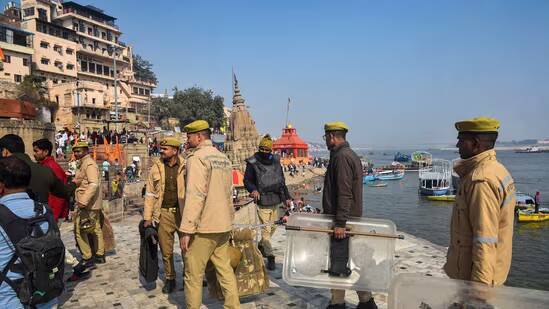
The recent renovation of the Manikarnika Ghat in Varanasi has sparked a controversy, with opposition parties alleging that the redevelopment project has led to the destruction of several idols and statues, including the iconic Rani Ahilyabai Holkar statue. However, Uttar Pradesh Chief Minister Yogi Adityanath has vehemently denied these claims, stating that broken idols were brought from outside to malign India’s heritage.
According to CM Yogi, the allegations of idol demolition are completely baseless and a part of a larger conspiracy to discredit the government’s efforts to preserve and promote India’s rich cultural heritage. “It is being claimed that idols are being demolished. There cannot be a bigger lie than this,” he said, emphasizing that the government is committed to protecting and preserving the country’s historical and cultural landmarks.
The controversy began when reports emerged that several idols and statues, including the Rani Ahilyabai Holkar statue, had been damaged or destroyed during the renovation work at Manikarnika Ghat. The opposition parties were quick to pounce on the issue, attacking the government for its alleged negligence and disregard for India’s cultural heritage.
The Rani Ahilyabai Holkar statue, in particular, holds great significance, as it is a tribute to the legendary queen who played a crucial role in the history of India. The statue is a symbol of women’s empowerment and a reminder of the queen’s contributions to the country’s freedom struggle.
However, CM Yogi has dismissed the allegations, stating that the broken idols were brought from outside to create a false narrative about the government’s intentions. He has assured that the government is committed to preserving and protecting India’s cultural heritage, and that the renovation work at Manikarnika Ghat is being carried out with utmost care and sensitivity.
The opposition parties, on the other hand, have continued to attack the government over the issue, demanding a thorough investigation into the alleged destruction of the idols and statues. They have also accused the government of being insensitive to the cultural and historical significance of the landmarks, and of prioritizing development over preservation.
The controversy has sparked a heated debate, with many weighing in on the issue. While some have supported the government’s stance, others have criticized the alleged destruction of the idols and statues. The issue has also raised questions about the importance of preserving India’s cultural heritage, and the need for a balanced approach to development and conservation.
In recent years, India has witnessed a surge in conservation efforts, with the government launching several initiatives to preserve and protect the country’s historical and cultural landmarks. The renovation of Manikarnika Ghat is part of a larger effort to promote tourism and economic development in the region, while also preserving the cultural and historical significance of the site.
However, the controversy over the alleged destruction of the idols and statues has highlighted the need for greater transparency and accountability in conservation efforts. It has also underscored the importance of engaging with local communities and stakeholders in the conservation process, to ensure that the cultural and historical significance of the landmarks is preserved and protected.
In conclusion, the controversy over the Manikarnika Ghat renovation has sparked a heated debate about the importance of preserving India’s cultural heritage. While the government has denied allegations of idol demolition, the opposition parties have continued to attack the government over the issue. As the debate continues, it is essential to remember the significance of preserving India’s cultural heritage, and the need for a balanced approach to development and conservation.
Source: https://x.com/PTI_News/status/2012458022187192360
About the Author