Broken idols brought from outside: UP CM Yogi amid row over Manikarnika Ghat renovation
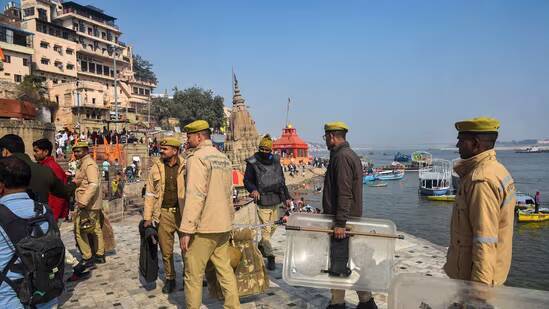
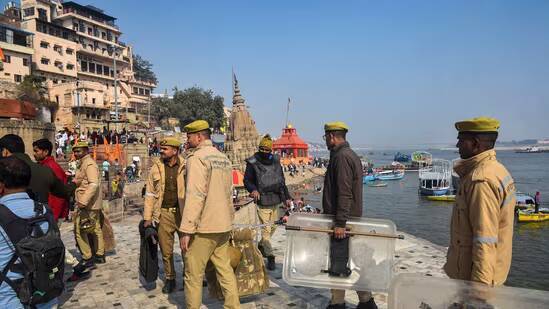
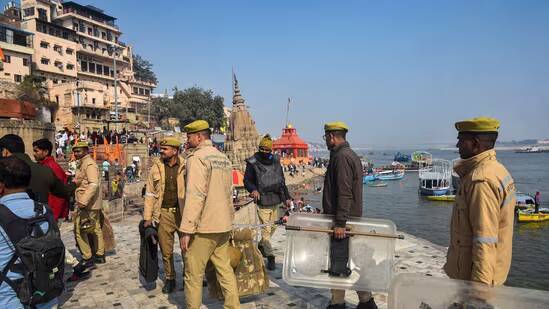
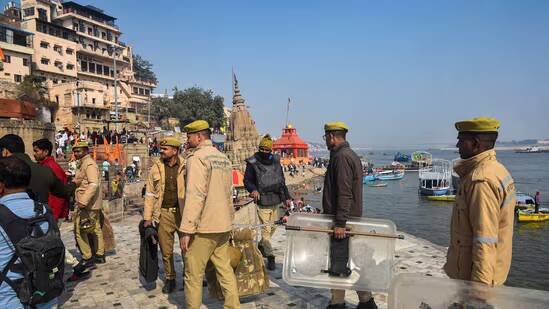
The recent redevelopment of Manikarnika Ghat in Varanasi has sparked a controversy, with allegations of destruction of idols and statues at the site. Uttar Pradesh Chief Minister Yogi Adityanath has weighed in on the issue, claiming that broken idols were brought from outside to malign India’s heritage. The statement comes amid a row over the renovation of the ghat, with opposition parties attacking the government over the alleged destruction of the Rani Ahilyabai Holkar statue.
According to CM Yogi, the allegations of idol demolition are baseless and a part of a larger conspiracy to tarnish India’s image. “It is being claimed that idols are being demolished. There cannot be a bigger lie than this,” he said. The Chief Minister asserted that the redevelopment of Manikarnika Ghat is being carried out with utmost care and sensitivity towards the site’s cultural and historical significance.
The controversy began when reports emerged of broken idols and debris being found at the renovation site. Opposition parties were quick to pounce on the issue, accusing the government of being insensitive towards the country’s heritage. The alleged destruction of the Rani Ahilyabai Holkar statue has been particularly contentious, with many calling for the government to take action against those responsible.
However, CM Yogi has denied these allegations, stating that the broken idols were brought from outside to create a false narrative. He claimed that the opposition is trying to malign the government’s image by spreading misinformation and lies. The Chief Minister also emphasized that the redevelopment of Manikarnika Ghat is aimed at preserving and promoting India’s rich cultural heritage, rather than destroying it.
The renovation of Manikarnika Ghat is part of a larger effort to develop and beautify the city of Varanasi, which is considered one of the oldest continuously inhabited cities in the world. The project aims to improve the infrastructure and amenities at the ghat, while also preserving its historical and cultural significance. The government has claimed that the redevelopment will enhance the overall experience of pilgrims and tourists visiting the site, while also generating employment and economic opportunities for local residents.
Despite the government’s assurances, the opposition has continued to criticize the handling of the renovation project. They have accused the government of being insensitive towards the site’s cultural and historical significance, and of prioritizing development over preservation. The controversy has also sparked a wider debate about the role of government in preserving and promoting India’s cultural heritage.
In recent years, there have been several instances of cultural and historical sites being damaged or destroyed, often due to a combination of factors such as neglect, lack of funding, and insensitive development. The controversy over Manikarnika Ghat has highlighted the need for a more nuanced and sensitive approach to development and preservation, one that balances the need for progress and modernization with the need to protect and promote India’s rich cultural heritage.
As the debate over Manikarnika Ghat continues, it is clear that the issue is about more than just a renovation project. It is about the way we approach development and preservation, and the values we prioritize as a society. The government must ensure that the redevelopment of Manikarnika Ghat is carried out in a way that is sensitive to the site’s cultural and historical significance, and that prioritizes preservation and promotion over destruction and neglect.
In conclusion, the controversy over Manikarnika Ghat is a complex and multifaceted issue, one that requires a nuanced and sensitive approach. While the government has denied allegations of idol demolition, the opposition has continued to criticize the handling of the renovation project. As the debate continues, it is essential to prioritize preservation and promotion of India’s cultural heritage, while also ensuring that development and modernization are carried out in a way that is sensitive to the country’s rich history and culture.
Source: https://x.com/PTI_News/status/2012458022187192360
About the Author