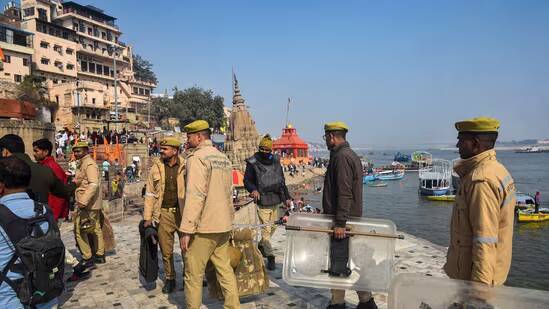
Broken idols brought from outside: UP CM Yogi amid row over Manikarnika Ghat renovation
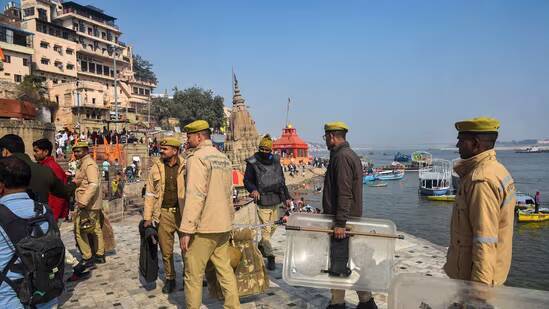
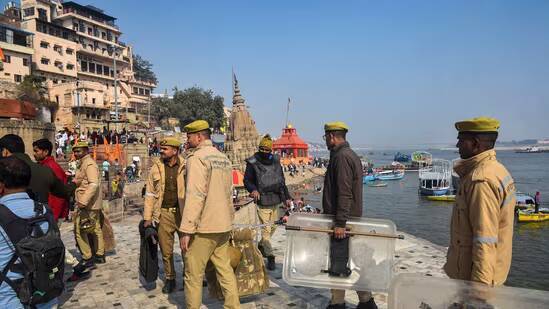
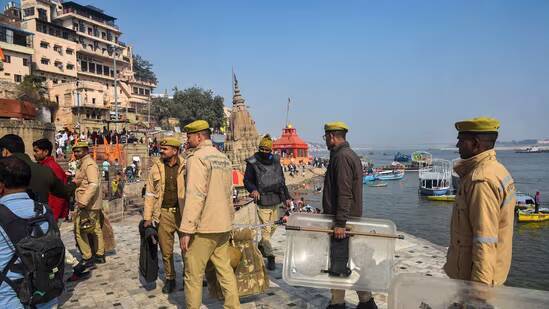
The recent redevelopment of Manikarnika Ghat in Varanasi has sparked controversy, with allegations of destruction of ancient idols and statues. The issue has gained significant attention, with opposition parties attacking the government over the alleged destruction of the Rani Ahilyabai Holkar statue. However, Uttar Pradesh Chief Minister Yogi Adityanath has come to the defense of his government, claiming that broken idols were brought from outside to malign India’s heritage.
According to CM Yogi, the allegations of idol demolition are baseless and a part of a larger conspiracy to tarnish the image of India’s rich cultural heritage. “It is being claimed that idols are being demolished. There cannot be a bigger lie than this,” he said, emphasizing that the government is committed to preserving and protecting India’s cultural heritage. The CM’s statement has sparked a heated debate, with opposition parties accusing the government of trying to cover up the destruction of ancient artifacts.
The controversy surrounding the Manikarnika Ghat renovation began when reports emerged of ancient idols and statues being destroyed or removed from the site. The opposition was quick to pounce on the issue, accusing the government of being insensitive to India’s cultural heritage. The alleged destruction of the Rani Ahilyabai Holkar statue has been particularly contentious, with many seeing it as a symbol of the government’s disregard for India’s history.
However, the government has maintained that the renovation of Manikarnika Ghat is aimed at preserving and protecting the site, rather than destroying it. The government has argued that the removal of ancient idols and statues is necessary to ensure the structural integrity of the ghat, which is a significant cultural and historical site in India. The government has also promised to rebuild and restore the removed idols and statues, using traditional techniques and materials to ensure their authenticity.
Despite the government’s assurances, the opposition has continued to attack the government over the issue. Many have accused the government of being reckless and insensitive to India’s cultural heritage, and have demanded that the government take immediate action to restore the damaged idols and statues. The issue has also sparked a wider debate about the preservation and protection of India’s cultural heritage, with many calling for greater efforts to safeguard the country’s historical sites and artifacts.
The controversy surrounding the Manikarnika Ghat renovation is not an isolated incident. In recent years, there have been several instances of ancient idols and statues being destroyed or damaged, often due to neglect or lack of maintenance. The issue highlights the need for greater awareness and action to preserve and protect India’s cultural heritage, which is an integral part of the country’s identity and history.
In conclusion, the controversy surrounding the Manikarnika Ghat renovation has sparked a heated debate about the preservation and protection of India’s cultural heritage. While the government has maintained that the renovation is aimed at preserving the site, the opposition has accused the government of being insensitive to India’s history. The issue highlights the need for greater awareness and action to safeguard the country’s historical sites and artifacts, and to ensure that India’s cultural heritage is protected for future generations.
As the debate continues, it is essential to consider the facts and to separate myth from reality. The government’s claim that broken idols were brought from outside to malign India’s heritage is a serious allegation, and one that requires further investigation. Regardless of the outcome, it is clear that the preservation and protection of India’s cultural heritage is a critical issue that requires immediate attention and action.
The redevelopment of Manikarnika Ghat is a complex issue, and one that requires a nuanced and balanced approach. While the government has a responsibility to preserve and protect the site, it is also essential to consider the needs and concerns of local communities and stakeholders. The issue highlights the need for greater dialogue and collaboration between the government, local communities, and cultural heritage experts to ensure that India’s historical sites and artifacts are protected and preserved for future generations.
Ultimately, the preservation and protection of India’s cultural heritage is a collective responsibility, and one that requires the active participation and engagement of all stakeholders. As we move forward, it is essential to prioritize the protection and preservation of India’s historical sites and artifacts, and to ensure that the country’s rich cultural heritage is safeguarded for future generations.
News Source: https://x.com/PTI_News/status/2012458022187192360
About the Author