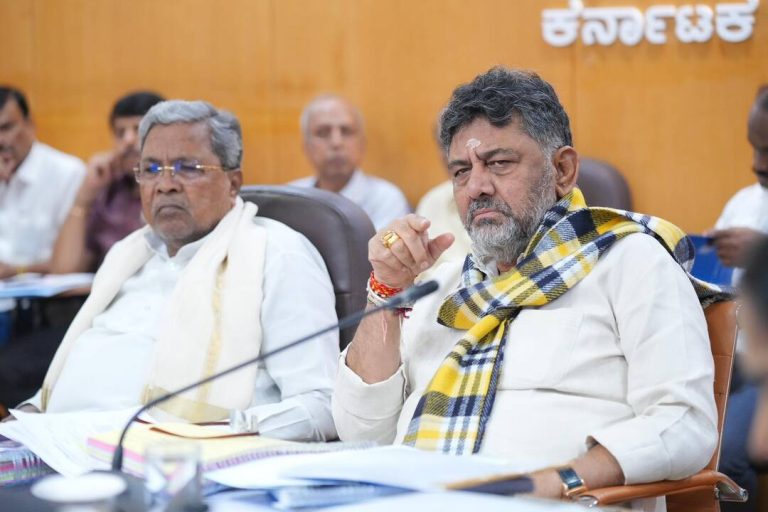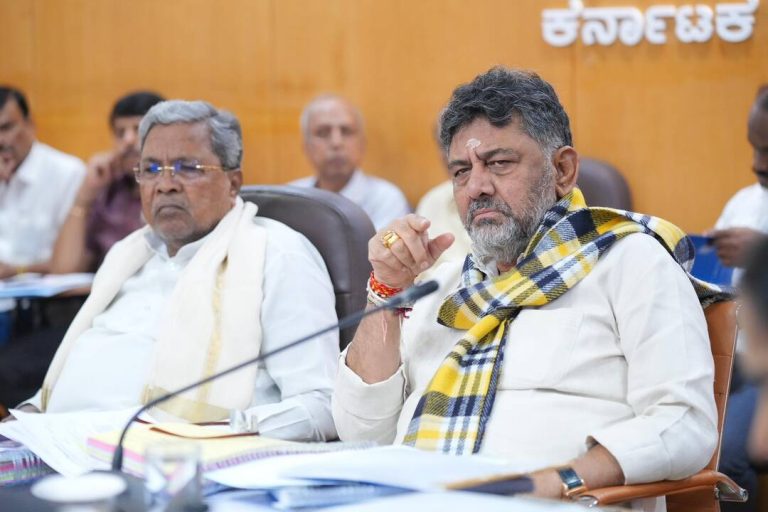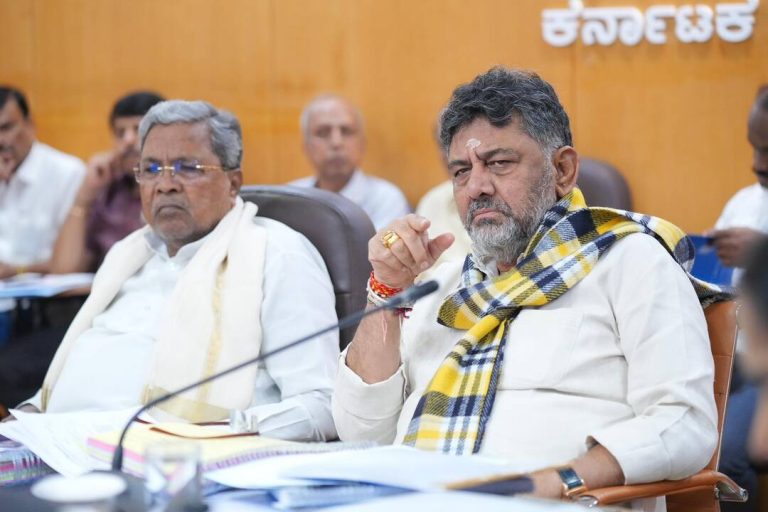
BJP twisting my comments: K’taka Dy CM on ‘We don’t want Keralites’ remark
In a recent controversy, Karnataka Deputy Chief Minister DK Shivakumar found himself at the center of a storm after his remarks on Keralites sparked outrage. However, on Tuesday, Shivakumar clarified his statement, saying that his comments were aimed at the Kerala government’s interference in the Kogilu demolition drive, not at the people of Kerala. The Deputy CM accused Kerala BJP chief Rajeev Chandrasekhar of twisting his words, and in this blog post, we will delve into the details of the controversy and Shivakumar’s clarification.
The controversy began when Shivakumar made a statement that was perceived as being against the people of Kerala. His remarks sparked widespread outrage, with many criticizing him for his alleged anti-Keralite stance. However, Shivakumar has now come out to clarify his statement, saying that it was taken out of context and twisted by the Bharatiya Janata Party (BJP).
According to Shivakumar, his comments were directed at the Kerala government’s interference in the Kogilu demolition drive, a contentious issue that has been making headlines in recent times. The Kogilu demolition drive is a complex issue that involves the demolition of certain structures in the Kogilu area, and the Kerala government’s involvement in the matter has been a point of contention. Shivakumar’s statement was meant to criticize the Kerala government’s actions, not the people of Kerala.
Shivakumar has stressed that he has always had cordial ties with the people of Kerala and respects them immensely. He has also announced that he will be campaigning in the upcoming Kerala polls, a move that is seen as an attempt to reach out to the people of Kerala and reassure them of his support. By doing so, Shivakumar is trying to put the controversy behind him and move forward, focusing on the issues that matter to the people of Karnataka and Kerala.
The BJP, however, has been quick to capitalize on the controversy, with Kerala BJP chief Rajeev Chandrasekhar accusing Shivakumar of being anti-Keralite. Chandrasekhar’s comments have been seen as an attempt to politicize the issue and gain mileage out of it. However, Shivakumar has hit back at the BJP, accusing them of twisting his words and trying to create a controversy where none exists.
The controversy has sparked a heated debate, with many weighing in on the issue. While some have criticized Shivakumar for his alleged anti-Keralite stance, others have come out in his support, saying that his comments were taken out of context. The issue has also highlighted the complex relationships between different states in India, with many arguing that such controversies can have far-reaching consequences.
In conclusion, the controversy surrounding Shivakumar’s remarks on Keralites has sparked a heated debate, with many weighing in on the issue. However, Shivakumar’s clarification has helped to put the matter into perspective, and it is clear that his comments were aimed at the Kerala government’s interference in the Kogilu demolition drive, not at the people of Kerala. As the situation continues to unfold, it remains to be seen how the controversy will impact the relationships between Karnataka and Kerala, and how the BJP will respond to Shivakumar’s clarification.
The issue has also raised questions about the role of politicians in shaping public opinion and the need for responsible leadership. In a country as diverse as India, it is essential for politicians to be sensitive to the feelings of different communities and to avoid making statements that can be perceived as divisive or inflammatory. By clarifying his remarks and reaching out to the people of Kerala, Shivakumar has shown that he is committed to building bridges and fostering greater understanding between different communities.
As the situation continues to unfold, it is essential for all parties involved to approach the issue with sensitivity and restraint. The controversy has highlighted the need for greater dialogue and understanding between different states and communities, and it is essential for politicians to play a constructive role in promoting harmony and cooperation.
In the end, the controversy surrounding Shivakumar’s remarks on Keralites has sparked an important debate about the role of politicians in shaping public opinion and the need for responsible leadership. As we move forward, it is essential for all parties involved to approach the issue with sensitivity and restraint, and to work towards building greater understanding and cooperation between different communities.
About the Author