BJP twisting my comments: K’taka Dy CM on ‘We don’t want Keralites’ remark
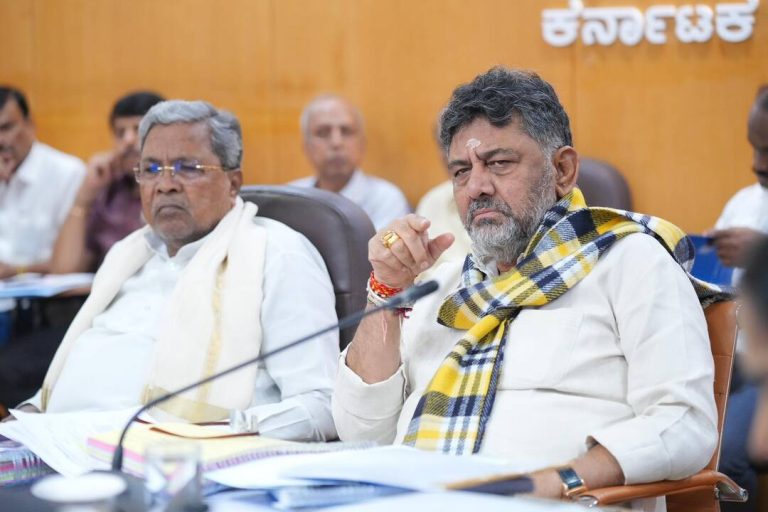
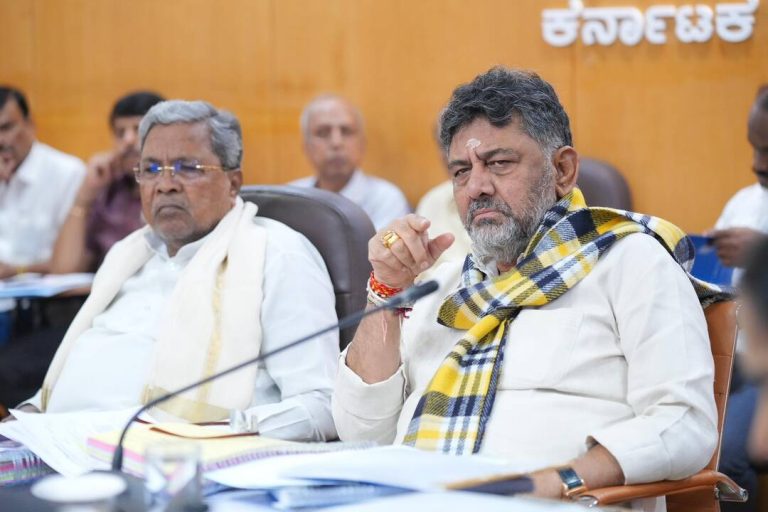
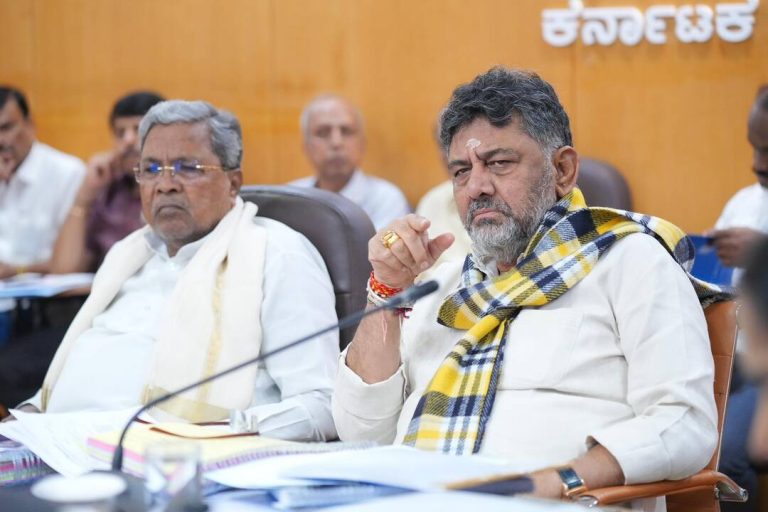
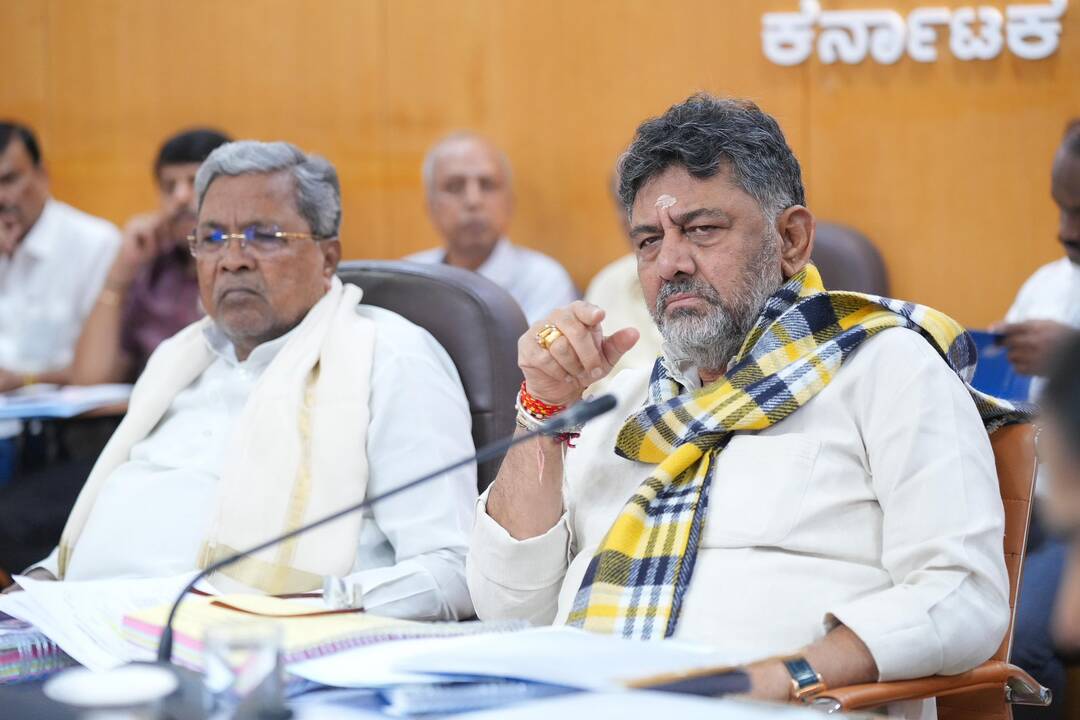
In a recent controversy, Karnataka Deputy Chief Minister DK Shivakumar found himself at the center of a storm after his comments on Keralites were allegedly misinterpreted. On Tuesday, Shivakumar clarified his stance, stating that his remarks were not aimed at the people of Kerala, but rather at the Kerala government’s interference in the Kogilu demolition drive. The Deputy CM accused Kerala BJP chief Rajeev Chandrasekhar of twisting his words, sparking a heated debate between the two parties.
The controversy began when Shivakumar reportedly said, “We don’t want Keralites” in the context of the Kogilu demolition drive. The statement was quickly seized upon by the opposition, with the BJP alleging that Shivakumar was promoting xenophobia and discriminating against people from Kerala. However, Shivakumar has consistently maintained that his comments were taken out of context and that he was, in fact, referring to the Kerala government’s attempts to interfere in the affairs of Karnataka.
Shivakumar emphasized that his relationship with the people of Kerala has always been cordial, and he has immense respect for them. He pointed out that he has always been welcomed with open arms in Kerala and has many friends and well-wishers in the state. The Deputy CM also announced that he would be campaigning in the upcoming Kerala polls, further solidifying his ties with the people of the state.
The Karnataka Deputy CM’s clarification has sparked a war of words between the Congress and the BJP. While Shivakumar has accused the BJP of twisting his comments for political gain, the BJP has countered that Shivakumar’s initial statement was reflective of the Congress’s anti-people stance. The controversy has highlighted the increasingly contentious relationship between the two parties, with each side seeking to gain an upper hand in the ongoing political battle.
The Kogilu demolition drive has been a contentious issue, with the Karnataka government facing opposition from various quarters. The drive, which aims to demolish encroachments and illegal structures, has been criticized by some as being overly aggressive and targeting specific communities. The Kerala government’s alleged interference in the matter has added a new dimension to the controversy, with the Karnataka government accusing its counterpart of overstepping its bounds.
Shivakumar’s clarification has also raised questions about the role of social media in shaping public discourse. The Deputy CM’s initial statement was quickly amplified on social media, with many users condemning his alleged anti-Keralite stance. However, as the context of the statement became clearer, many of these same users began to retract their statements, acknowledging that they had been misled by the initial reports.
The controversy surrounding Shivakumar’s comments serves as a reminder of the importance of nuanced reporting and the need to consider multiple perspectives before jumping to conclusions. In an era where information spreads rapidly, it is essential to prioritize accuracy and context, lest we perpetuate misinformation and fuel unnecessary conflicts.
As the debate continues to rage on, one thing is clear: the relationship between Karnataka and Kerala will remain a critical aspect of the region’s politics. With Shivakumar’s clarification, the focus has shifted from his alleged anti-Keralite stance to the BJP’s alleged attempts to twist his comments for political gain. As the region prepares for upcoming polls, the parties will likely continue to engage in a war of words, each seeking to outmaneuver the other and gain the upper hand.
In conclusion, the controversy surrounding Shivakumar’s comments serves as a reminder of the complexities of regional politics and the need for nuanced understanding. As we move forward, it is essential to prioritize accuracy, context, and empathy, lest we perpetuate misinformation and fuel unnecessary conflicts.
About the Author