BJP twisting my comments: K’taka Dy CM on ‘We don’t want Keralites’ remark
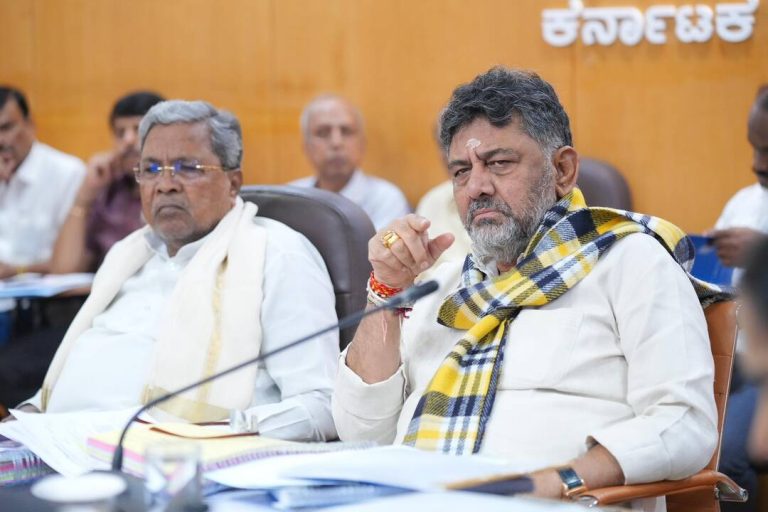
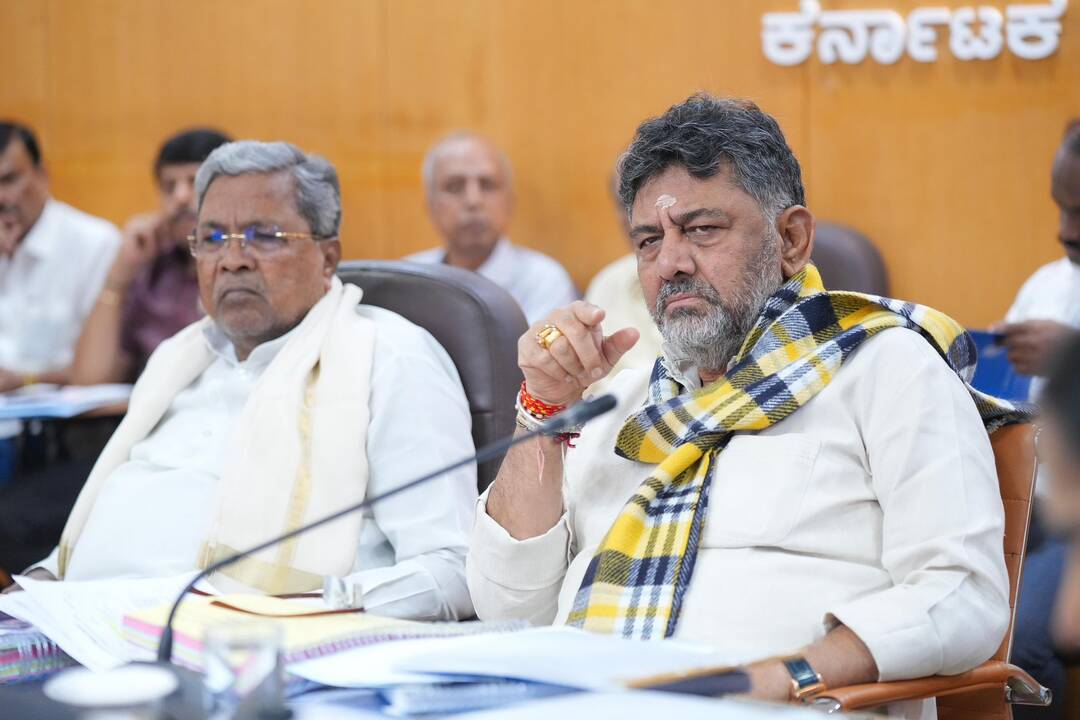
In a recent controversy, Karnataka Deputy Chief Minister DK Shivakumar found himself at the center of a storm after his comment on not wanting Keralites in the state. However, on Tuesday, he clarified that his remark was not aimed at the people of Kerala, but rather at the interference of the Kerala government in the Kogilu demolition drive. Shivakumar accused the Kerala BJP chief, Rajeev Chandrasekhar, of twisting his words and presenting them out of context.
The controversy began when Shivakumar made a statement that was perceived as being against the people of Kerala. His words were quickly picked up by the media and opposition parties, who criticized him for his alleged anti-Kerala stance. However, the Deputy Chief Minister has now come forward to set the record straight, stating that his comment was not intended to target the people of Kerala, but rather the Kerala government’s attempts to interfere in the affairs of Karnataka.
According to Shivakumar, the Kerala government’s interference in the Kogilu demolition drive was unwarranted and unacceptable. He stated that the drive was a necessary step to address the issue of encroachment and illegal construction in the area, and that the Kerala government had no business interfering in the matter. Shivakumar’s comment, “we don’t want Keralites,” was, therefore, a reference to the Kerala government’s meddling in Karnataka’s affairs, rather than a statement against the people of Kerala.
Shivakumar was quick to emphasize his cordial ties with the people of Kerala, stating that he has always respected and appreciated them. He pointed out that he has a long history of friendship and cooperation with the people of Kerala, and that his comment was not intended to reflect any animosity towards them. In fact, Shivakumar has announced that he will be campaigning in the upcoming Kerala polls, a move that is seen as a gesture of goodwill towards the people of the state.
The Karnataka Deputy Chief Minister’s clarification has come as a relief to many, who were concerned that his comment would damage the relationships between Karnataka and Kerala. The two states have a long history of cooperation and friendship, and Shivakumar’s statement was seen as a threat to this relationship. However, with his clarification, it is clear that Shivakumar’s intention was not to harm the people of Kerala, but rather to address the issue of interference by the Kerala government.
The role of the BJP in twisting Shivakumar’s comment has also come under scrutiny. The party’s chief in Kerala, Rajeev Chandrasekhar, was quick to criticize Shivakumar’s statement, presenting it as an attack on the people of Kerala. However, Shivakumar has accused Chandrasekhar of deliberately twisting his words to suit the BJP’s agenda. This is not the first time that the BJP has been accused of twisting the words of its opponents to suit its own narrative, and the incident has sparked a debate about the use of propaganda and misinformation in politics.
In conclusion, the controversy surrounding Shivakumar’s comment has highlighted the importance of clarity and context in political discourse. The Karnataka Deputy Chief Minister’s clarification has helped to diffuse the tension and reassure the people of Kerala that his intention was not to harm them. However, the incident has also raised questions about the role of the BJP in twisting the narrative to suit its own agenda. As the political landscape in India continues to evolve, it is essential that politicians and parties prioritize honesty and transparency in their communication, rather than resorting to propaganda and misinformation.
The incident has also sparked a debate about the relationships between states in India and the importance of cooperation and friendship. The people of Karnataka and Kerala have a long history of friendship and cooperation, and it is essential that this relationship is nurtured and protected. The controversy surrounding Shivakumar’s comment has highlighted the need for politicians to be mindful of the impact of their words on the relationships between states and to prioritize cooperation and friendship over political gain.
In the end, the controversy surrounding Shivakumar’s comment has served as a reminder of the importance of clarity, context, and honesty in political discourse. As the political landscape in India continues to evolve, it is essential that politicians and parties prioritize these values and work towards building a more cooperative and friendly relationship between states.
About the Author