BJP twisting my comments: K’taka Dy CM on ‘We don’t want Keralites’ remark
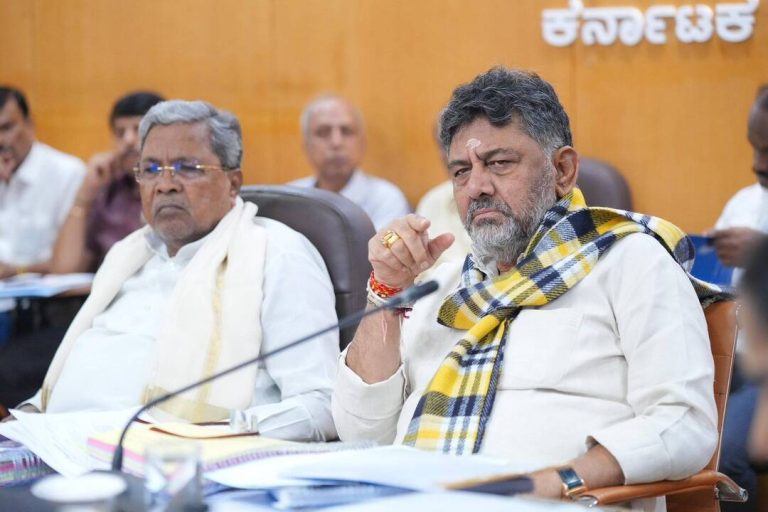
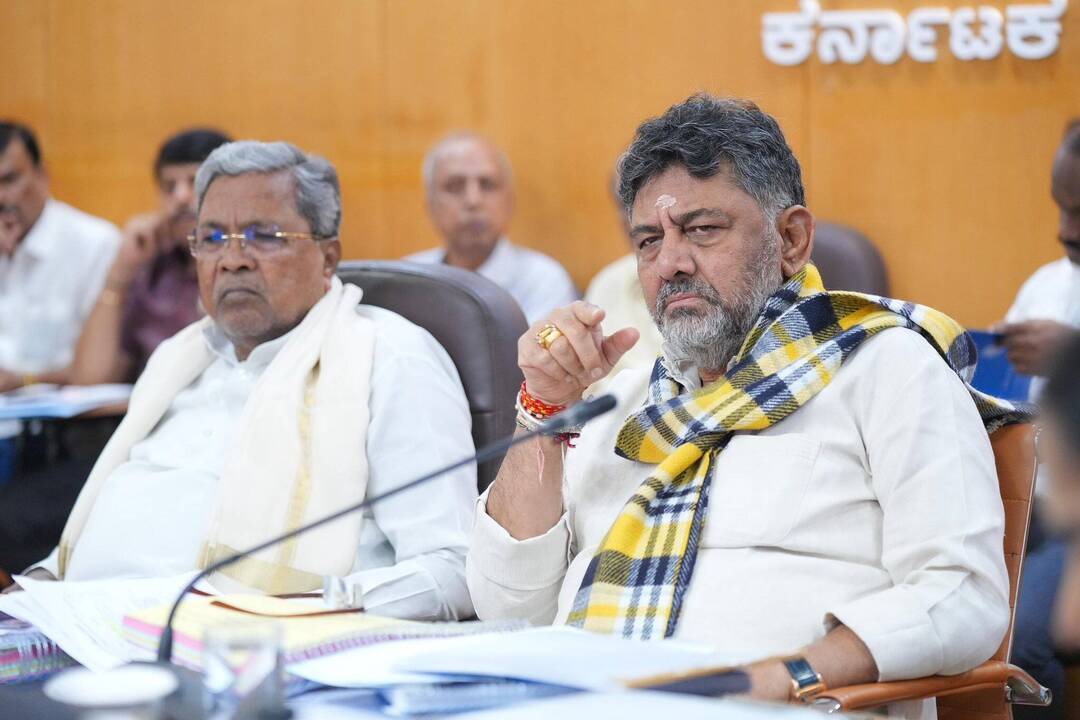
In a recent controversy, Karnataka Deputy Chief Minister DK Shivakumar found himself at the center of a storm after his comments on Keralites sparked a heated debate. The Deputy CM had stated, “We don’t want Keralites,” which was quickly seized upon by the opposition, particularly the Bharatiya Janata Party (BJP), to accuse him of being anti-Keralite. However, Shivakumar has now come out to clarify his remarks, stating that they were aimed at the Kerala government’s interference in the Kogilu demolition drive, not at the people of Kerala.
According to Shivakumar, his comments were taken out of context and twisted by the BJP to suit their own agenda. The Karnataka Deputy CM emphasized that he has always enjoyed cordial ties with the people of Kerala and has immense respect for them. In fact, he revealed that he is scheduled to campaign in the upcoming Kerala polls, demonstrating his commitment to maintaining good relations with the state and its people.
The Kogilu demolition drive has been a contentious issue, with the Karnataka government facing opposition from various quarters, including the Kerala government. The drive, which aims to demolish illegal structures in the Kogilu area, has been seen as a necessary step by the Karnataka government to maintain law and order in the region. However, the Kerala government has been accused of interfering in the matter, which has led to tensions between the two states.
Shivakumar’s clarification on his comments has brought to light the complexities of the issue and the motivations of the parties involved. While the BJP has been quick to accuse the Deputy CM of being anti-Keralite, it appears that their accusations may be unfounded. The Karnataka Deputy CM’s explanation suggests that his comments were directed at the Kerala government’s actions, rather than the people of Kerala.
It is worth noting that Shivakumar has a long history of maintaining good relations with the people of Kerala. As a seasoned politician, he is well aware of the importance of building bridges between different communities and states. His decision to campaign in the Kerala polls is a testament to his commitment to fostering good relations between Karnataka and Kerala.
In contrast, the BJP’s actions in the matter have been seen as an attempt to stir up controversy and create divisions between the people of Karnataka and Kerala. By twisting Shivakumar’s comments and accusing him of being anti-Keralite, the BJP has demonstrated its willingness to exploit sensitive issues for political gain.
The incident highlights the importance of responsible and accurate reporting in the media. The initial reports of Shivakumar’s comments were widely circulated, and it was only after the Deputy CM’s clarification that the true context of his remarks became clear. This incident serves as a reminder to journalists and media outlets to exercise caution and verify facts before reporting on sensitive issues.
In conclusion, the controversy surrounding Shivakumar’s comments on Keralites has been resolved, with the Karnataka Deputy CM clarifying that his remarks were aimed at the Kerala government’s interference in the Kogilu demolition drive. The incident highlights the complexities of interstate relations and the importance of responsible reporting in the media. As the situation continues to unfold, it is essential to approach the issue with nuance and understanding, rather than relying on sensationalized headlines and accusations.
The BJP’s actions in the matter have been widely criticized, with many accusing the party of twisting Shivakumar’s comments for political gain. Kerala BJP chief Rajeev Chandrasekhar has been particularly vocal in his criticism of the Karnataka Deputy CM, accusing him of being anti-Keralite. However, Shivakumar’s clarification has exposed the BJP’s accusations as baseless and motivated by a desire to create controversy.
As the situation continues to unfold, it is essential to remember the importance of maintaining good relations between different states and communities. The people of Karnataka and Kerala have long enjoyed cordial ties, and it is essential to preserve these relations in the face of political controversies.
In the end, the incident serves as a reminder of the importance of responsible leadership and accurate reporting. By clarifying his comments and emphasizing his respect for the people of Kerala, Shivakumar has demonstrated his commitment to maintaining good relations between Karnataka and Kerala. As the region continues to navigate the complexities of interstate relations, it is essential to approach the issue with nuance and understanding, rather than relying on sensationalized headlines and accusations.
About the Author