BJP twisting my comments: K’taka Dy CM on ‘We don’t want Keralites’ remark
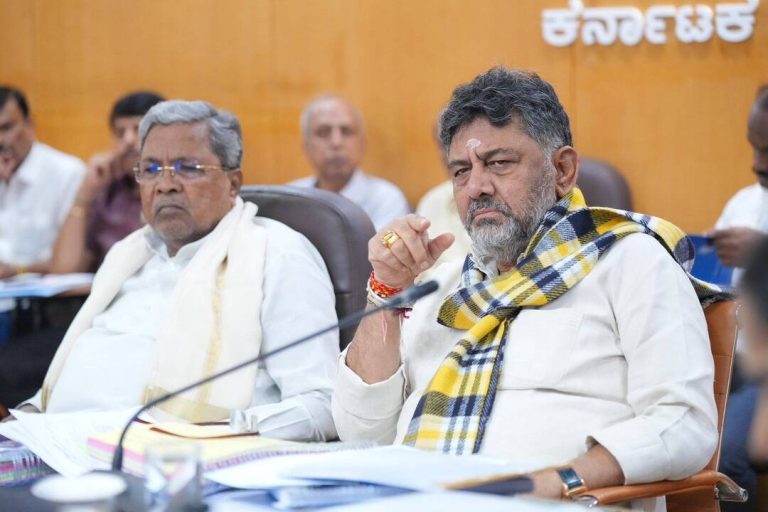
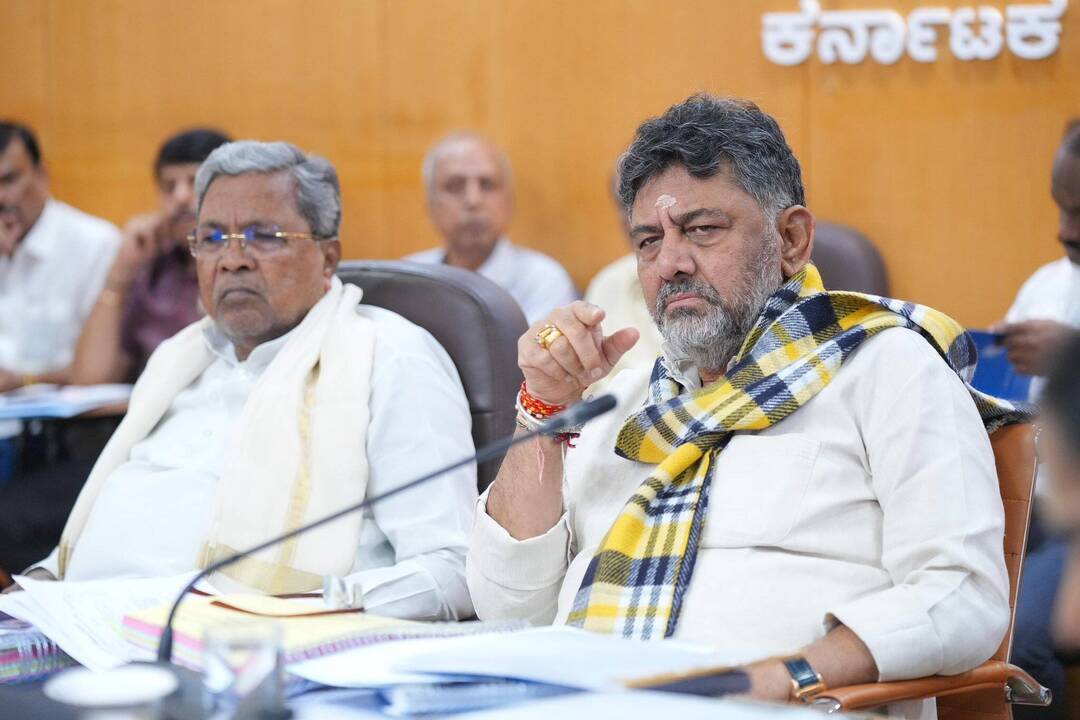
In a recent controversy, Karnataka Deputy Chief Minister DK Shivakumar found himself at the center of a storm after his comments on Keralites sparked outrage. However, on Tuesday, Shivakumar took to the podium to clarify his stance, emphasizing that his words were being twisted by the BJP to suit their own narrative. The Deputy CM stressed that his remark, “we don’t want Keralites,” was not aimed at the people of Kerala, but rather at the Kerala government’s alleged interference in the Kogilu demolition drive.
The Kogilu demolition drive has been a contentious issue, with the Karnataka government facing criticism for its handling of the situation. Shivakumar’s initial comment was seen as a reflection of the tensions between the two states, with many interpreting it as a xenophobic remark. However, the Deputy CM was quick to clarify that his words were being taken out of context.
Shivakumar accused Kerala BJP chief Rajeev Chandrasekhar of twisting his words, stating that the latter was attempting to create a rift between the people of Karnataka and Kerala. The Deputy CM emphasized that he has always maintained cordial ties with the people of Kerala and has immense respect for them. In fact, Shivakumar went on to say that he would be more than happy to campaign in the upcoming Kerala polls, demonstrating his commitment to fostering good relations between the two states.
The controversy surrounding Shivakumar’s comment has highlighted the complex dynamics at play in Indian politics. With the BJP and other parties often engaging in a war of words, it can be challenging to separate fact from fiction. In this case, Shivakumar’s clarification has helped to shed light on the true context of his remark, revealing that it was not a xenophobic comment, but rather a criticism of the Kerala government’s actions.
The Kogilu demolition drive has been a major point of contention between the two states, with the Karnataka government facing criticism for its handling of the situation. The drive, which aimed to demolish illegal structures in the Kogilu area, was seen as a necessary step by the Karnataka government to address the issue of encroachment. However, the Kerala government has been accused of interfering in the matter, with some alleging that they are attempting to protect the interests of certain individuals.
Shivakumar’s clarification has helped to diffuse tensions, but the issue highlights the need for greater cooperation and understanding between states. The Deputy CM’s emphasis on his cordial ties with Keralites and his willingness to campaign in Kerala polls demonstrates his commitment to fostering good relations between the two states.
In a country as diverse as India, it is essential to promote unity and understanding among different states and communities. The controversy surrounding Shivakumar’s comment serves as a reminder of the importance of clear communication and the need to avoid twisting words to suit one’s own narrative.
As the situation continues to unfold, it remains to be seen how the issue will be resolved. However, one thing is clear: the need for cooperation and understanding between states is more pressing than ever. By promoting dialogue and fostering good relations, we can work towards a more harmonious and united India.
In conclusion, the controversy surrounding DK Shivakumar’s comment has highlighted the complexities of Indian politics and the need for clear communication. The Deputy CM’s clarification has helped to shed light on the true context of his remark, and his emphasis on his cordial ties with Keralites demonstrates his commitment to fostering good relations between the two states. As we move forward, it is essential to promote unity and understanding among different states and communities, and to avoid twisting words to suit one’s own narrative.
About the Author