BJP assessing ‘what went wrong’ despite sweeping BMC elections: Report
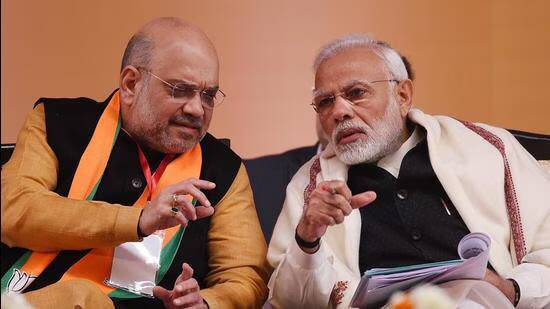
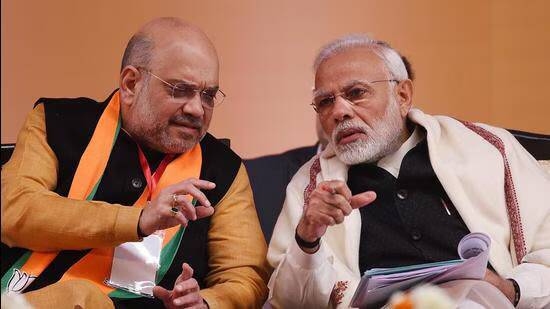
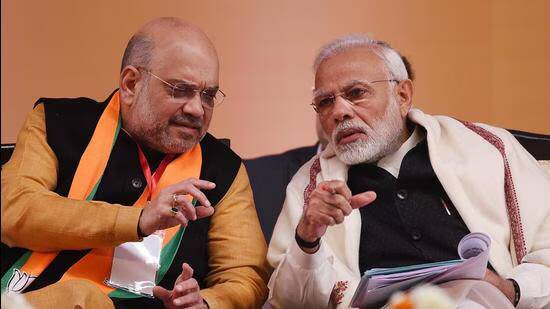
The Bharatiya Janata Party (BJP) has emerged as the clear winner in the recently concluded Brihanmumbai Municipal Corporation (BMC) elections, winning 89 seats, the highest number of seats a party has won alone since 2002. However, despite this impressive performance, the party is reportedly assessing what went wrong, as it had hoped to win 110 seats. According to a report by the Hindustan Times, BJP leaders believe that the reasons for not meeting their target could be attributed to a lack of coordination within the Mumbai unit and not effectively countering the “Mumbai pride” pitch of the Thackeray cousins.
The BMC elections, which were held on February 21, saw the BJP making significant gains, with the party’s vote share increasing by 10% compared to the previous elections. The party’s campaign, led by Chief Minister Devendra Fadnavis and Mumbai BJP chief Ashish Shelar, had focused on issues such as corruption, infrastructure development, and good governance. However, despite the party’s best efforts, it fell short of its target of winning 110 seats, which had been set by the party’s state leadership.
According to BJP leaders, one of the main reasons for the party’s inability to meet its target was a lack of coordination within the Mumbai unit. The party’s Mumbai unit has been plagued by infighting and factionalism, with different groups within the party vying for power and influence. This lack of coordination is believed to have affected the party’s campaign, with different groups working at cross-purposes and undermining each other’s efforts.
Another reason cited by BJP leaders for the party’s failure to meet its target is the inability to effectively counter the “Mumbai pride” pitch of the Thackeray cousins. The Thackeray cousins, who are leaders of the Shiv Sena and the Maharashtra Navnirman Sena (MNS), had made “Mumbai pride” a central theme of their campaign, appealing to the city’s residents to vote for a party that would prioritize the interests of Mumbai and its people. The BJP, on the other hand, had focused more on issues such as corruption and good governance, which may not have resonated as strongly with voters.
The BJP’s failure to meet its target has reportedly left the party’s state leadership unhappy, with some leaders expressing disappointment and frustration at the outcome. The party’s state leadership had been hoping to use the BMC elections as a springboard to launch a broader campaign to capture power in the state, and the failure to meet the target has set back these plans.
Despite the disappointment, the BJP’s performance in the BMC elections is still being seen as a significant achievement, with the party emerging as the largest party in the corporation. The party’s victory has also been seen as a reflection of the popularity of the BJP’s policies and programs, particularly in urban areas.
The BJP’s win in the BMC elections has also been seen as a setback for the Shiv Sena, which had been the dominant party in the corporation for many years. The Shiv Sena, which won 84 seats, had been hoping to retain its dominance in the corporation, but the BJP’s strong performance has pushed the party to second place.
In conclusion, the BJP’s performance in the BMC elections is a mixed bag, with the party emerging as the clear winner but failing to meet its target of winning 110 seats. The party’s state leadership is reportedly assessing what went wrong, with a lack of coordination within the Mumbai unit and the inability to effectively counter the “Mumbai pride” pitch of the Thackeray cousins being cited as possible reasons. Despite the disappointment, the BJP’s performance is still being seen as a significant achievement, and the party will be looking to build on this momentum in the coming months.
About the Author