BJP assessing ‘what went wrong’ despite sweeping BMC elections: Report
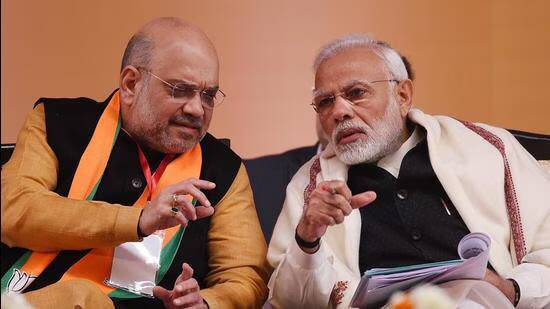
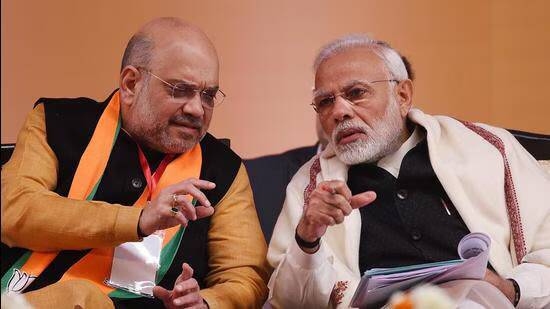
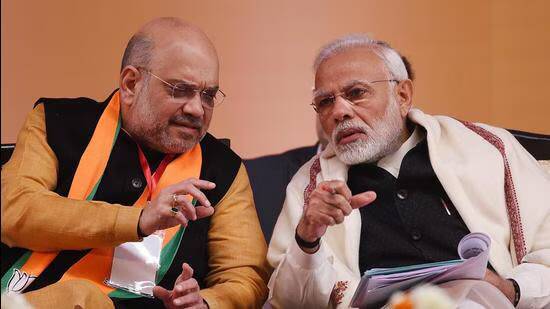
The Bharatiya Janata Party (BJP) has emerged as the clear winner in the recent Brihanmumbai Municipal Corporation (BMC) elections, securing 89 seats, the highest number of seats a party has won alone since 2002. However, despite this impressive victory, the party is reportedly assessing what went wrong, as it had set its sights on winning 110 seats. According to a report by Hindustan Times, BJP leaders believe that a lack of coordination within the Mumbai unit and the failure to effectively counter the Thackeray cousins’ “Mumbai pride” pitch may have contributed to the party’s shortfall.
The BMC elections, held on February 21, saw the BJP making significant gains, with the party’s vote share increasing by 10% compared to the 2017 elections. The party’s campaign, led by Chief Minister Eknath Shinde and Deputy Chief Minister Devendra Fadnavis, had focused on highlighting the BJP’s development agenda and its commitment to improving the lives of Mumbaikars. However, despite the party’s best efforts, it appears that the BJP’s internal dynamics and its inability to counter the opposition’s narrative may have hindered its performance.
One of the key factors that may have contributed to the BJP’s shortfall is the lack of coordination within the Mumbai unit. According to party insiders, there were differences within the unit over ticket distribution, with some leaders feeling that the party had not done enough to accommodate their supporters. This lack of coordination may have led to some BJP candidates facing opposition from within their own party, which could have impacted their chances of winning.
Another factor that may have hurt the BJP’s chances is its failure to effectively counter the Thackeray cousins’ “Mumbai pride” pitch. The Shiv Sena (Uddhav Balasaheb Thackeray) and the Maharashtra Navnirman Sena (MNS) had both campaigned on a platform of protecting Mumbai’s interests and preserving its cultural identity. The BJP, on the other hand, had focused more on its development agenda, which may not have resonated as strongly with voters who were concerned about the city’s unique character and heritage.
The BJP’s state leadership is reportedly unhappy with the party’s performance, despite its significant gains. According to the Hindustan Times report, party leaders are assessing what went wrong and are expected to take corrective action to improve the party’s performance in future elections. This may involve restructuring the Mumbai unit, improving coordination among party leaders, and developing a more effective strategy to counter the opposition’s narrative.
The BJP’s victory in the BMC elections is still a significant achievement, and the party’s increased vote share is a testament to its growing popularity in the city. However, the party’s failure to meet its own expectations is a reminder that there is still much work to be done to improve its performance and to effectively counter the opposition’s challenges.
In the coming days and weeks, the BJP will likely engage in a process of introspection and analysis, seeking to identify the reasons behind its shortfall and to develop strategies to improve its performance in future elections. This may involve soliciting feedback from voters, assessing the party’s campaign strategy, and identifying areas where the party can improve its outreach and engagement with the community.
Ultimately, the BJP’s success in the BMC elections is a significant milestone, but it is only the beginning. The party must continue to work hard to build on its gains, to address the concerns of voters, and to develop a more effective strategy to counter the opposition’s challenges. By doing so, the BJP can continue to grow and thrive in Mumbai, and can work towards achieving its goal of becoming the dominant political force in the city.
About the Author