Ajit Pawar’s son meets Sharad Pawar in Baramati amid merger talks
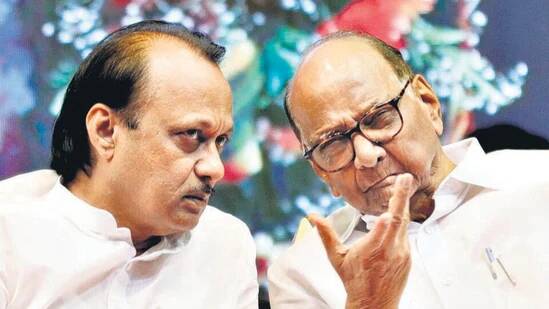
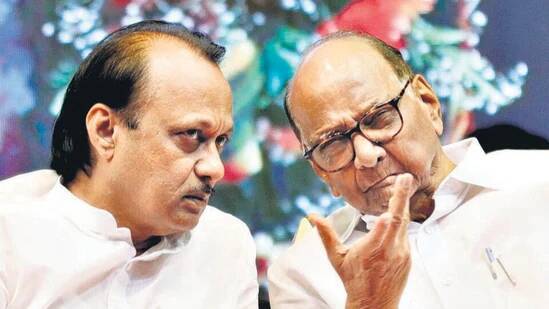
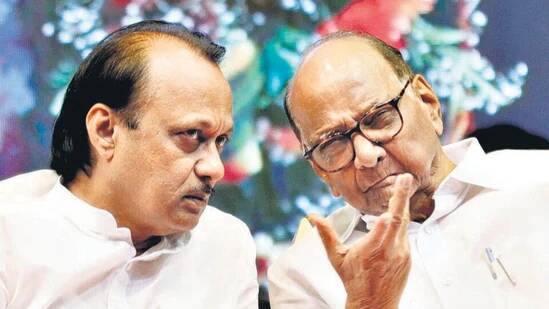
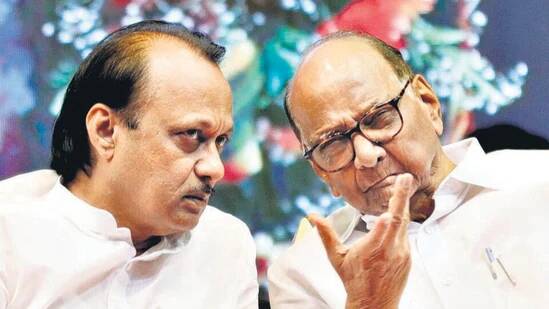
In a significant development, the son of late NCP chief Ajit Pawar met NCP (SP) chief Sharad Pawar at his home in Baramati, sparking speculation about a potential merger between the two factions. This meeting comes amidst reports that both factions are planning a merger, a move that could have far-reaching implications for the political landscape of Maharashtra.
The meeting between Ajit Pawar’s son and Sharad Pawar is seen as a crucial step towards reconciliation between the two factions, which have been at odds for some time. The NCP, or Nationalist Congress Party, has been divided into two factions, one led by Sharad Pawar and the other by Ajit Pawar. The division has been a major hurdle in the party’s efforts to present a united front against its political opponents.
Sharad Pawar, the veteran politician and founder of the NCP, has been keen on a merger between the two factions. In a recent statement, he revealed that Ajit Pawar had proposed a merger and had even suggested a tentative date of February 12 for the talks to begin. However, the discussions were halted after Ajit Pawar’s tragic death in a plane crash.
The meeting between Ajit Pawar’s son and Sharad Pawar is seen as a positive development, as it indicates that the two factions are still open to the idea of a merger. The fact that Ajit Pawar’s son has taken the initiative to meet Sharad Pawar suggests that the younger generation of leaders is keen on putting aside their differences and working towards a common goal.
A merger between the two factions would be a significant boost to the NCP, which has been struggling to regain its footing in Maharashtra politics. The party has been facing stiff competition from the Bharatiya Janata Party (BJP) and the Shiv Sena, and a united NCP could potentially pose a stronger challenge to these parties.
Sharad Pawar, who has been a dominant figure in Maharashtra politics for decades, has been working tirelessly to bring the two factions together. His efforts have been driven by a desire to strengthen the NCP and ensure that it remains a major player in the state’s politics.
The meeting between Ajit Pawar’s son and Sharad Pawar has sparked hopes of a merger, but it is still unclear whether the two factions will be able to iron out their differences. The NCP has a long history of internal conflicts, and it will require significant effort and compromise from all parties involved to achieve a merger.
Despite the challenges, the fact that Ajit Pawar’s son has taken the initiative to meet Sharad Pawar suggests that there is still a willingness to work towards a common goal. The meeting is seen as a positive step, and it is hoped that it will pave the way for further talks and eventually, a merger.
In the coming days and weeks, it will be interesting to see how the situation unfolds. Will the two factions be able to put aside their differences and work towards a merger? Only time will tell, but for now, the meeting between Ajit Pawar’s son and Sharad Pawar is a significant development that has sparked hopes of a united NCP.
The NCP has been a major player in Maharashtra politics for decades, and a merger between the two factions would be a significant boost to the party. It would allow the party to present a united front against its opponents and potentially regain its footing in the state’s politics.
As the situation continues to unfold, it will be interesting to see how the other parties react. The BJP and the Shiv Sena will likely be watching the developments closely, as a merged NCP could potentially pose a stronger challenge to their dominance in the state.
In conclusion, the meeting between Ajit Pawar’s son and Sharad Pawar is a significant development that has sparked hopes of a merger between the two factions. While there are still many challenges to overcome, the fact that the younger generation of leaders is keen on putting aside their differences and working towards a common goal is a positive sign. As the situation continues to unfold, it will be interesting to see how the parties involved navigate the complex web of alliances and rivalries that define Maharashtra politics.
About the Author