$700 bn total imports, $500 bn from US alone?: Tharoor on trade deal
The recent trade deal between India and the United States has sparked a lot of interest and debate among policymakers, economists, and the general public. While announcing the trade deal, US President Donald Trump claimed that Prime Minister Narendra Modi committed to buy “$500 billion worth of US energy, technology, agricultural, coal, and many other products”. This statement has raised several eyebrows, with many questioning the feasibility and implications of such a massive commitment.
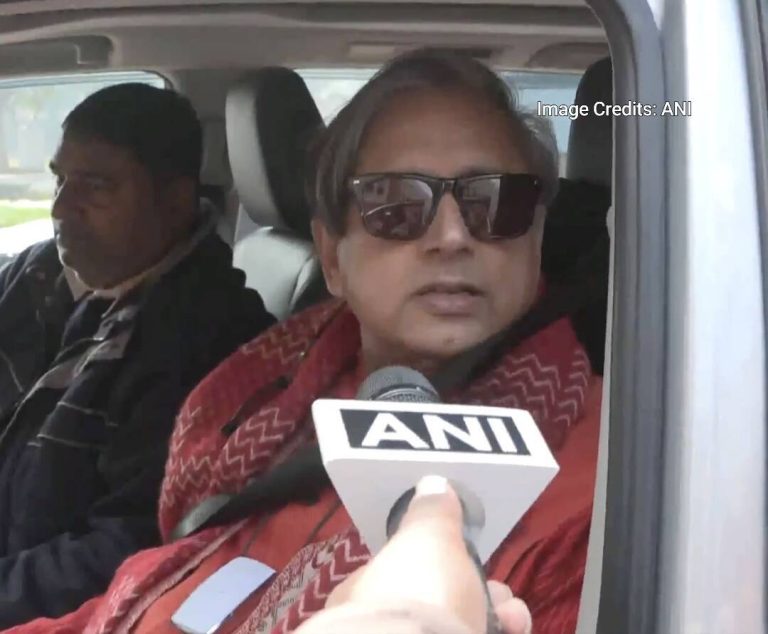
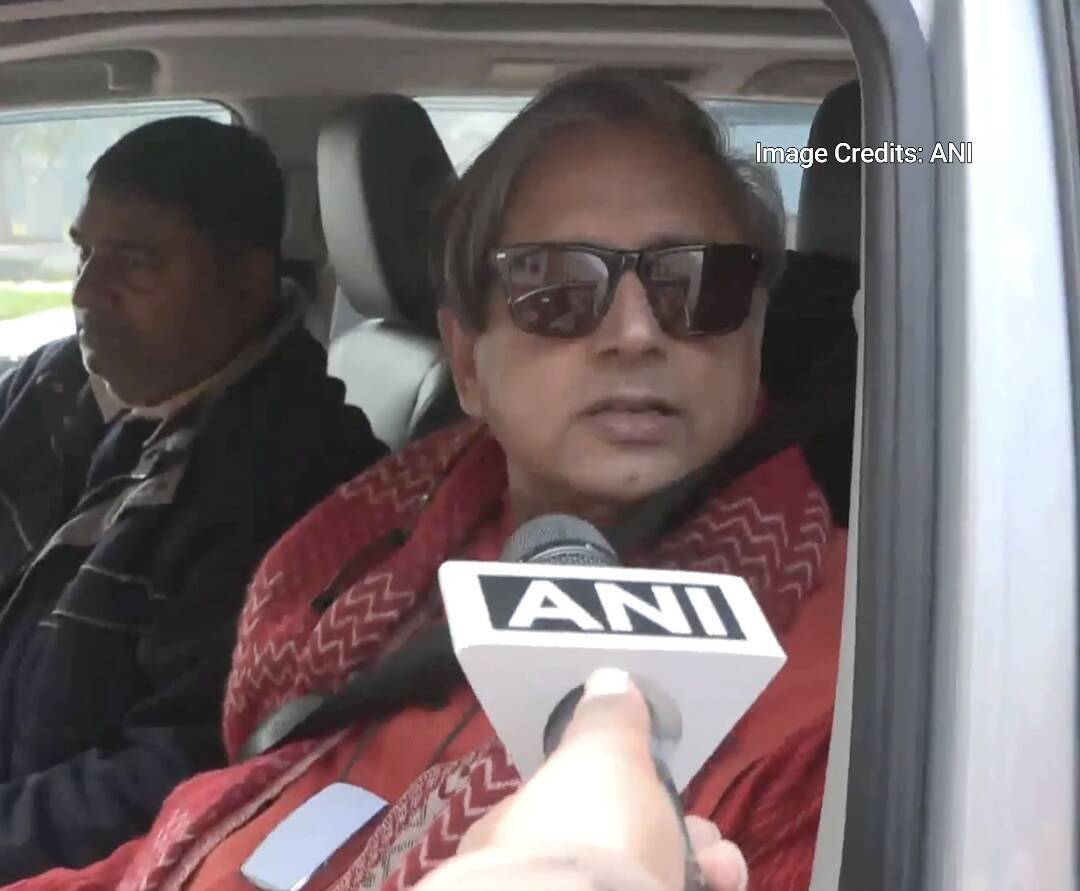
Seeking clarity on this, Congress MP Shashi Tharoor said, “Our entire import bill is $700 billion, so are we going to stop buying from every other country?” This statement highlights the concerns surrounding the trade deal and the potential impact it could have on India’s trade relationships with other countries. In this blog post, we will delve into the details of the trade deal, the implications of such a massive commitment, and the potential consequences for India’s trade relationships with other countries.
Firstly, it is essential to understand the context of the trade deal and the numbers involved. India’s total import bill is approximately $700 billion, which means that the country spends around $700 billion on importing goods and services from other countries. If India were to commit to buying $500 billion worth of US products, it would account for a significant portion of the country’s total import bill. This raises several questions, including whether India would be able to afford such a massive commitment, and what would happen to the country’s trade relationships with other countries.
One of the primary concerns surrounding the trade deal is the potential impact it could have on India’s trade relationships with other countries. If India were to commit to buying $500 billion worth of US products, it could lead to a significant reduction in imports from other countries. This could have severe consequences for countries that rely heavily on exports to India, including China, the European Union, and other Asian countries. It could also lead to trade tensions and conflicts with these countries, which could have far-reaching consequences for global trade.
Another concern surrounding the trade deal is the potential impact it could have on India’s economy. If India were to commit to buying $500 billion worth of US products, it could lead to a significant increase in the country’s trade deficit. This could have severe consequences for India’s economy, including a depreciation of the rupee, higher inflation, and lower economic growth. It could also lead to a reduction in India’s foreign exchange reserves, which could make it difficult for the country to pay for its imports.
Furthermore, the trade deal also raises questions about the nature of the commitment made by Prime Minister Modi. Was it a firm commitment, or was it just a statement of intent? What are the terms and conditions of the commitment, and what are the consequences of not meeting the commitment? These are all important questions that need to be answered to understand the implications of the trade deal.
In addition to these concerns, the trade deal also raises questions about the impact it could have on India’s domestic industries. If India were to commit to buying $500 billion worth of US products, it could lead to a significant reduction in demand for domestic products. This could have severe consequences for India’s domestic industries, including manufacturing, agriculture, and services. It could also lead to job losses and higher unemployment, which could have far-reaching consequences for India’s economy and society.
In conclusion, the trade deal between India and the US has sparked a lot of interest and debate among policymakers, economists, and the general public. While the deal has the potential to boost trade between the two countries, it also raises several concerns about the implications of such a massive commitment. The potential impact on India’s trade relationships with other countries, the country’s economy, and domestic industries are all important considerations that need to be taken into account.
As Congress MP Shashi Tharoor said, “Our entire import bill is $700 billion, so are we going to stop buying from every other country?” This statement highlights the concerns surrounding the trade deal and the need for clarity on the commitment made by Prime Minister Modi. It is essential to have a clear understanding of the terms and conditions of the commitment, as well as the potential consequences of not meeting the commitment.
To address these concerns, the Indian government needs to provide more clarity on the trade deal and the commitment made by Prime Minister Modi. The government needs to explain the terms and conditions of the commitment, as well as the potential consequences of not meeting the commitment. The government also needs to consider the potential impact of the trade deal on India’s trade relationships with other countries, the country’s economy, and domestic industries.
In the end, the trade deal between India and the US has the potential to boost trade between the two countries, but it also raises several concerns about the implications of such a massive commitment. It is essential to have a clear understanding of the terms and conditions of the commitment, as well as the potential consequences of not meeting the commitment. By providing more clarity on the trade deal, the Indian government can address the concerns surrounding the commitment and ensure that the deal benefits both countries.
News Source: https://x.com/ANI/status/2018584610888937726
About the Author