$700 bn total imports, $500 bn from US alone?: Tharoor on trade deal
The recent trade deal between India and the United States has sparked a significant amount of debate and discussion among policymakers, economists, and industry experts. While announcing the deal, US President Donald Trump claimed that Prime Minister Narendra Modi had committed to buying “$500 billion worth of US energy, technology, agricultural, coal, and many other products”. This statement has raised several eyebrows, with many questioning the feasibility and implications of such a massive commitment.
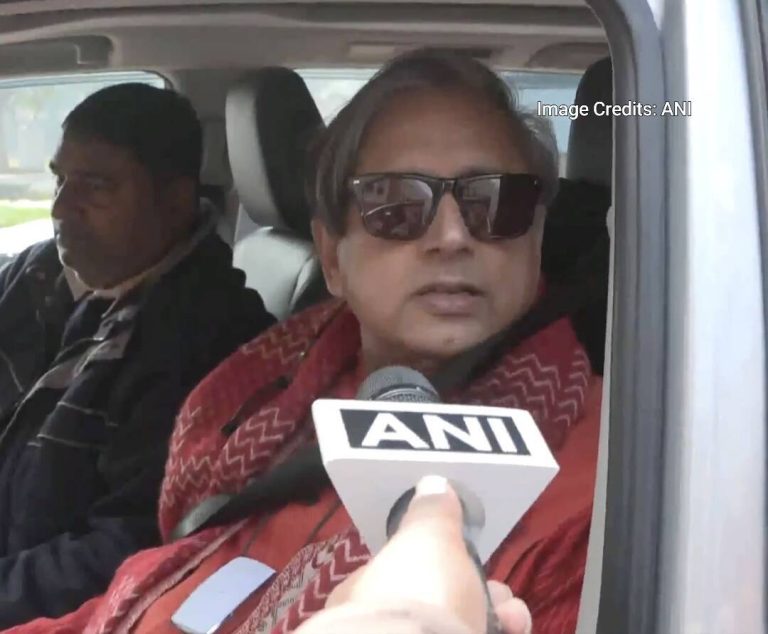
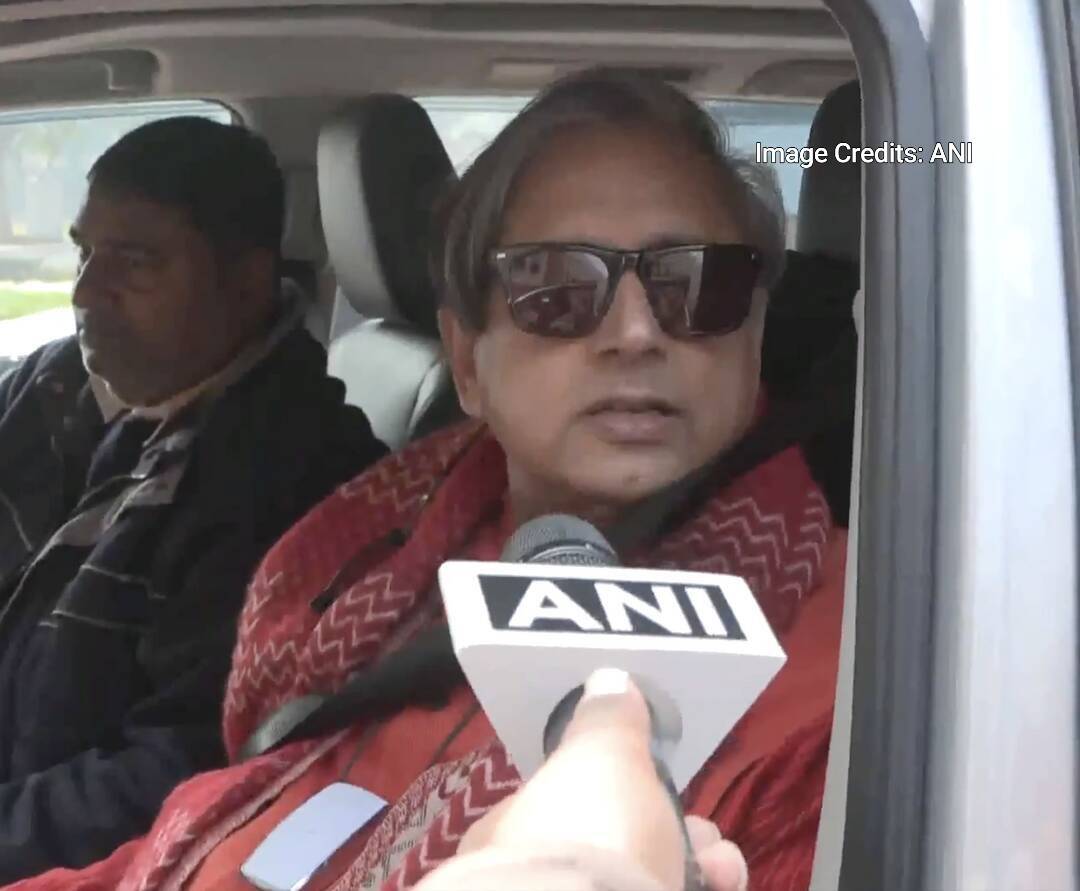
Seeking clarity on this issue, Congress MP Shashi Tharoor posed a pertinent question, “Our entire import bill is $700 billion, so are we going to stop buying from every other country?” This remark highlights the concerns surrounding the trade deal and the potential impact it could have on India’s trade relationships with other countries. In this blog post, we will delve into the details of the trade deal, examine the implications of the $500 billion commitment, and explore the potential consequences for India’s trade landscape.
Firstly, it is essential to understand the context of the trade deal and the numbers involved. India’s total imports for the year 2022-2023 were approximately $700 billion, with the country relying on imports to meet a significant portion of its energy, technological, and agricultural needs. The idea that India would commit to buying $500 billion worth of products from the US alone is staggering, considering that this would account for over 70% of the country’s total imports.
Tharoor’s question is particularly relevant in this context, as it highlights the potential consequences of such a massive commitment. If India were to stop buying from every other country, it would have a significant impact on the country’s trade relationships with other nations. India has historically maintained a diverse trade portfolio, with significant imports from countries such as China, the European Union, and the Middle East. A sudden shift towards reliance on a single country, in this case, the US, would not only be impractical but also potentially damaging to India’s economic interests.
Furthermore, the $500 billion commitment raises questions about the terms and conditions of the trade deal. What are the specific products that India has agreed to buy from the US, and at what prices? Will the deal involve any concessions or subsidies, and if so, what would be the impact on India’s domestic industries? These are critical questions that require clarity and transparency, especially given the massive scale of the commitment involved.
Another aspect of the trade deal that requires scrutiny is the potential impact on India’s domestic industries. If India were to import $500 billion worth of products from the US, it could potentially lead to a significant displacement of domestic industries, particularly in sectors such as agriculture, energy, and technology. This could have far-reaching consequences for India’s economic growth, employment, and overall development.
In addition, the trade deal also raises concerns about the balance of trade between India and the US. If India were to import $500 billion worth of products from the US, it would significantly widen the trade deficit between the two countries. This could lead to pressures on the Indian rupee, potentially weakening the currency and making imports even more expensive.
In conclusion, the trade deal between India and the US has sparked a significant amount of debate and discussion, with many questions surrounding the $500 billion commitment. While the deal may have its advantages, such as increased access to US markets and technologies, it is essential to carefully examine the implications of such a massive commitment. As Tharoor’s question highlights, it is crucial to consider the potential consequences of relying on a single country for over 70% of India’s imports. The Indian government must provide clarity and transparency on the terms and conditions of the deal, and ensure that the country’s trade relationships with other nations are not compromised.
As we move forward, it is essential to monitor the developments surrounding the trade deal and its potential impact on India’s trade landscape. The Indian government must prioritize the country’s economic interests and ensure that any trade agreements are fair, equitable, and aligned with the nation’s long-term development goals.
News source: https://x.com/ANI/status/2018584610888937726
About the Author