$700 bn total imports, $500 bn from US alone?: Tharoor on trade deal
The recent trade deal between India and the United States has sparked a wave of excitement and curiosity among economists, policymakers, and the general public. While announcing the deal, US President Donald Trump claimed that Prime Minister Narendra Modi had committed to buying “$500 billion worth of US energy, technology, agricultural, coal, and many other products”. This statement has raised eyebrows, with many questioning the feasibility and implications of such a massive commitment.
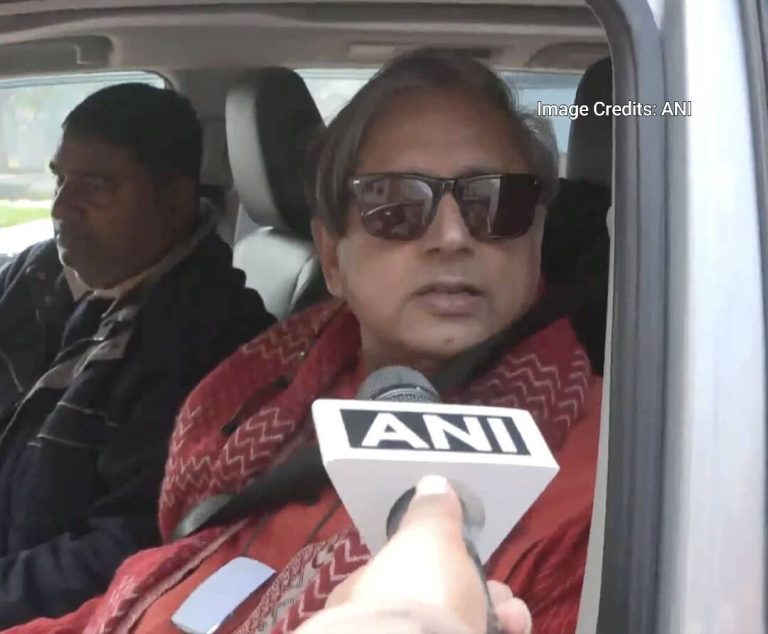
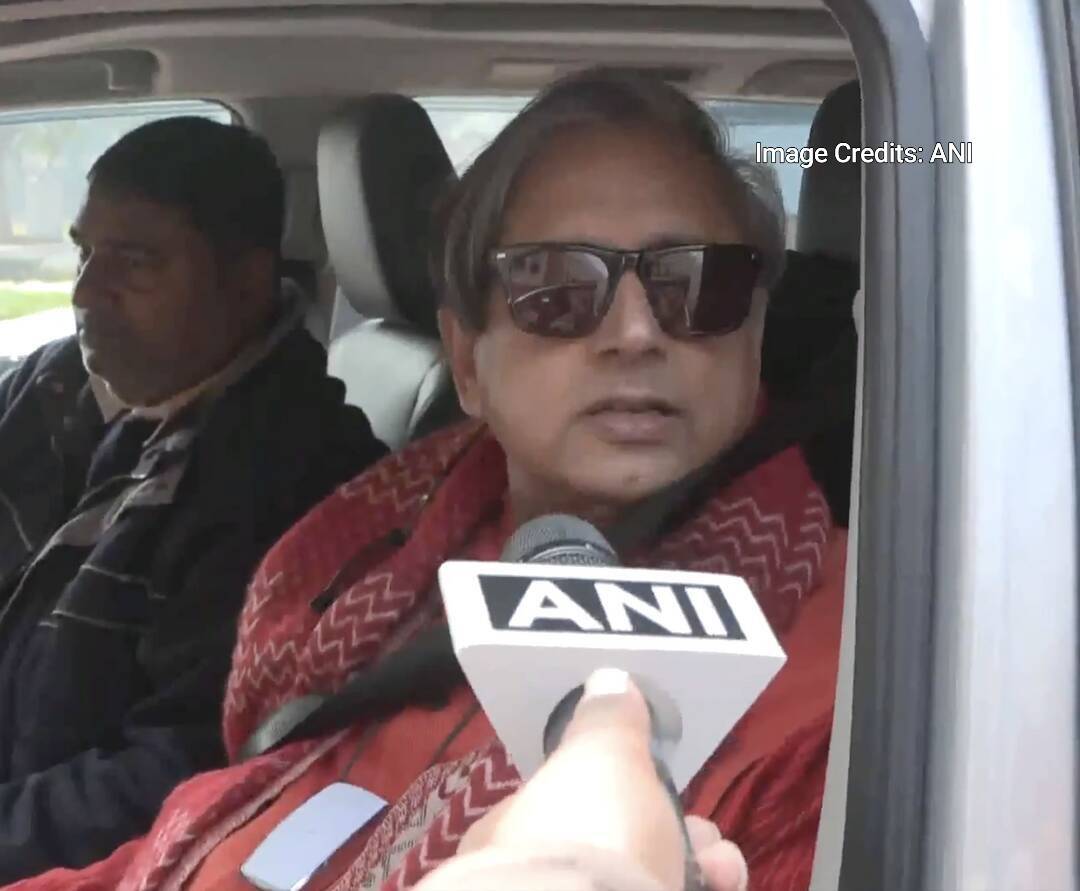
Seeking clarity on this issue, Congress MP Shashi Tharoor posed a pertinent question: “Our entire import bill is $700 billion, so are we going to stop buying from every other country?” Tharoor’s statement highlights the absurdity of the situation, where India’s total imports amount to $700 billion, and a significant chunk of it is allegedly being allocated to the United States alone.
To put this into perspective, India’s total imports in 2020-21 stood at around $707 billion. The country’s import bill is diverse, with a wide range of products being sourced from various countries, including China, the European Union, and other nations. The idea that India would suddenly stop buying from all other countries and allocate a substantial portion of its import bill to the United States alone seems implausible.
Tharoor’s comment also raises concerns about the potential impact on India’s trade relationships with other countries. If India were to indeed commit to buying $500 billion worth of products from the United States, it would likely lead to a significant reduction in imports from other countries. This could strain India’s relationships with its traditional trading partners and potentially lead to retaliatory measures.
Furthermore, the claim of a $500 billion commitment from India has also been met with skepticism by trade experts. They argue that such a massive commitment would require a significant increase in India’s imports from the United States, which may not be feasible in the short term. Additionally, the deal would also require India to relax its trade barriers and regulations, which could have far-reaching implications for the country’s economy and industries.
The trade deal between India and the United States is expected to boost bilateral trade and investment between the two countries. However, the details of the deal, including the alleged $500 billion commitment, need to be carefully examined and clarified. The Indian government must ensure that any trade agreement with the United States is in the best interests of the country and does not compromise its relationships with other trading partners.
In conclusion, the claim of a $500 billion commitment from India to the United States has sparked a heated debate about the country’s trade policies and relationships. As Tharoor pointed out, India’s entire import bill is $700 billion, and allocating a significant chunk of it to the United States alone seems unrealistic. The Indian government must provide clarity on the details of the trade deal and ensure that any agreement with the United States is in the best interests of the country.
As the trade deal between India and the United States continues to unfold, it is essential to closely monitor the developments and implications of the agreement. The Indian government must prioritize the country’s interests and ensure that any trade deal with the United States does not compromise its relationships with other trading partners.
The trade deal between India and the United States is a significant development, and its implications will be closely watched by economists, policymakers, and the general public. As the details of the deal become clearer, it is essential to have a nuanced and informed discussion about the potential benefits and drawbacks of the agreement.
In the meantime, Tharoor’s question remains relevant: “Our entire import bill is $700 billion, so are we going to stop buying from every other country?” The answer to this question will have significant implications for India’s trade policies and relationships with other countries.
News source: https://x.com/ANI/status/2018584610888937726
About the Author