$700 bn total imports, $500 bn from US alone?: Tharoor on trade deal
The recent trade deal between India and the United States has sparked a lot of debate and discussion among policymakers, economists, and industry experts. While announcing the trade deal, US President Donald Trump claimed that Prime Minister Narendra Modi committed to buy “$500 billion worth of US energy, technology, agricultural, coal, and many other products”. This statement has raised eyebrows, with many questioning the feasibility and implications of such a massive commitment.
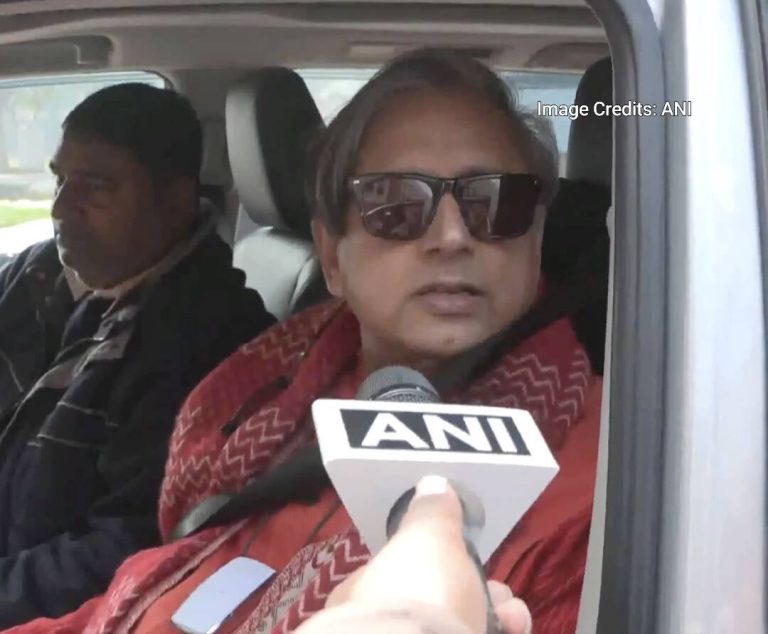
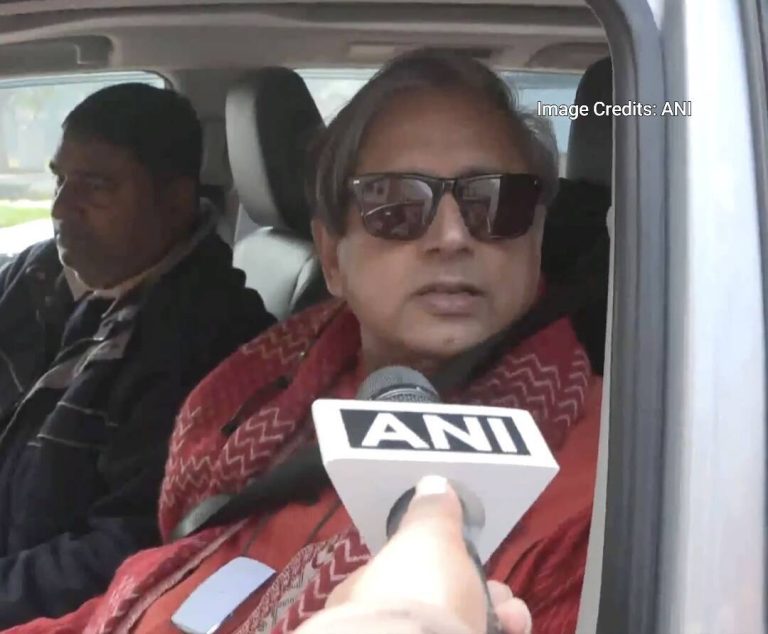
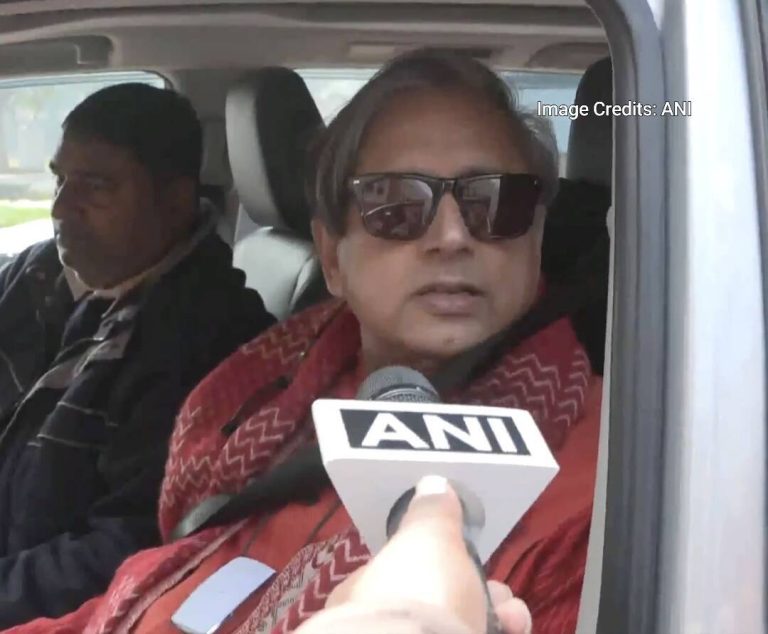
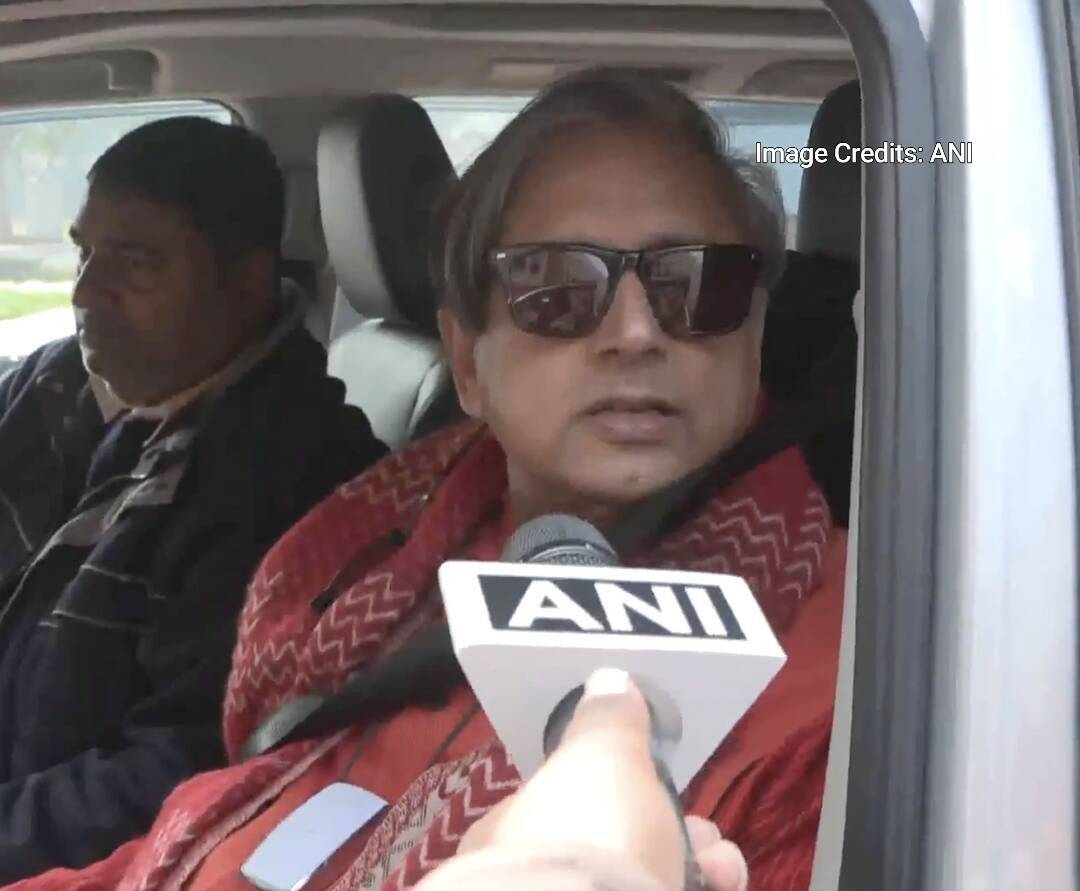
Seeking clarity on this, Congress MP Shashi Tharoor said, “Our entire import bill is $700 billion, so are we going to stop buying from every other country?” This statement highlights the concerns and skepticism surrounding the trade deal. With India’s total imports valued at $700 billion, it is indeed puzzling to understand how the country plans to allocate $500 billion solely for US products.
To put this into perspective, India’s imports are diverse and cater to various sectors, including energy, technology, agriculture, and manufacturing. The country relies heavily on imports to meet its growing demand for goods and services. With a total import bill of $700 billion, India’s trade relationships are spread across multiple countries, including China, the European Union, and other nations.
The idea of allocating $500 billion to US products alone raises several questions. Firstly, it would mean a significant reduction in imports from other countries, which could lead to trade imbalances and diplomatic tensions. India’s trade relationships with other nations are built on mutual agreements, tariffs, and quotas, and any drastic changes could have far-reaching consequences.
Secondly, the $500 billion commitment would account for over 70% of India’s total imports, leaving a relatively small share for products from other countries. This could lead to supply chain disruptions, as Indian industries rely on imports from multiple sources to maintain their operations. The sudden shift towards US products could lead to shortages, price increases, and other logistical challenges.
Thirdly, the trade deal’s focus on US energy, technology, agricultural, coal, and other products raises concerns about India’s own industries and sectors. The country has been actively promoting its own manufacturing sector, including initiatives like “Make in India” and “Atmanirbhar Bharat”. The massive import commitment to the US could undermine these efforts, as domestic industries may struggle to compete with cheaper, imported goods.
Lastly, the trade deal’s implications on India’s foreign exchange reserves and trade deficit cannot be ignored. The country’s trade deficit has been a concern for several years, and the $500 billion commitment could exacerbate the issue. With a significant portion of India’s foreign exchange reserves allocated towards importing US products, the country’s ability to manage its trade deficit and maintain a stable exchange rate could be compromised.
In light of these concerns, it is essential to seek clarity on the trade deal and its implications. The Indian government must provide detailed information on the agreement, including the products covered, the timeline for implementation, and the expected benefits for Indian industries and consumers.
As Shashi Tharoor pointed out, India’s entire import bill is $700 billion, and it is unrealistic to expect the country to allocate $500 billion solely for US products. The government must ensure that the trade deal is balanced, equitable, and aligned with India’s national interests. The country’s trade relationships with other nations must be respected, and the interests of domestic industries must be protected.
In conclusion, the trade deal between India and the US has raised more questions than answers. The $500 billion commitment to US products is a significant concern, and the Indian government must provide clarity on the agreement’s implications. As the country navigates the complexities of international trade, it is essential to prioritize India’s national interests, protect domestic industries, and maintain a balanced trade relationship with all nations.
News source: https://x.com/ANI/status/2018584610888937726
About the Author