$700 bn total imports, $500 bn from US alone?: Tharoor on trade deal
The recent trade deal between India and the United States has sparked a flurry of discussions and debates among politicians, economists, and trade experts. While announcing the trade deal, US President Donald Trump claimed that Prime Minister Narendra Modi committed to buying “$500 billion worth of US energy, technology, agricultural, coal, and many other products”. This statement has raised eyebrows, with many questioning the feasibility and implications of such a massive import commitment.
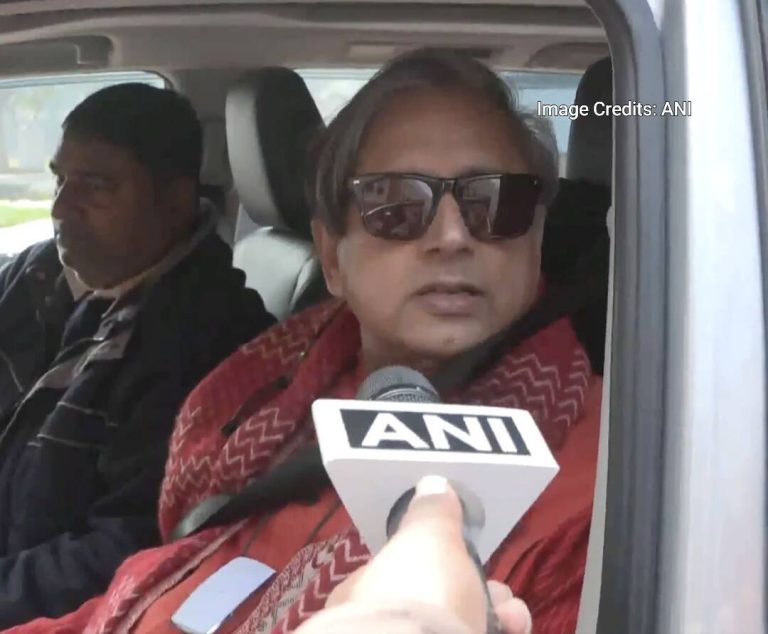
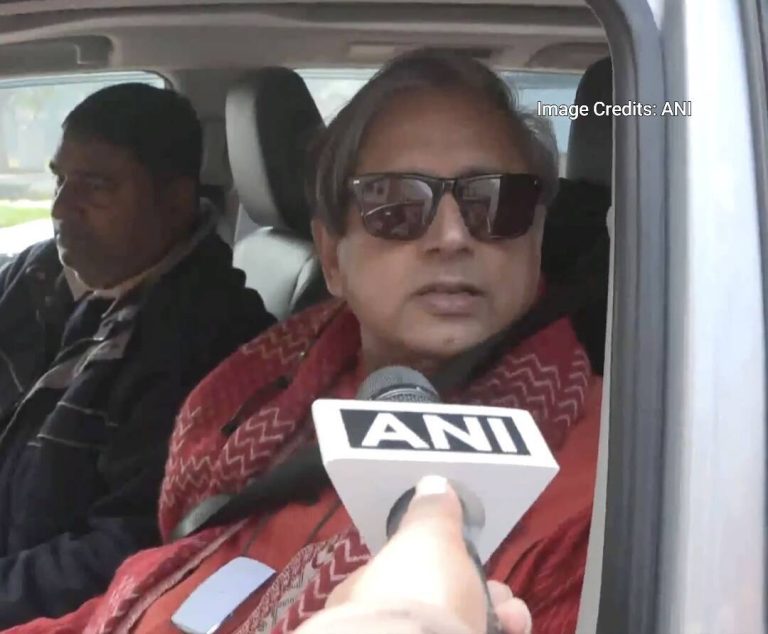
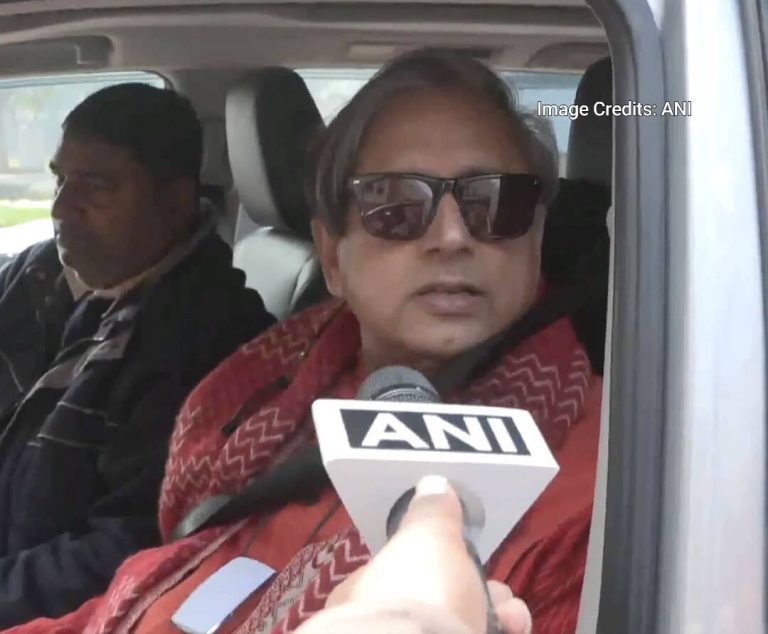
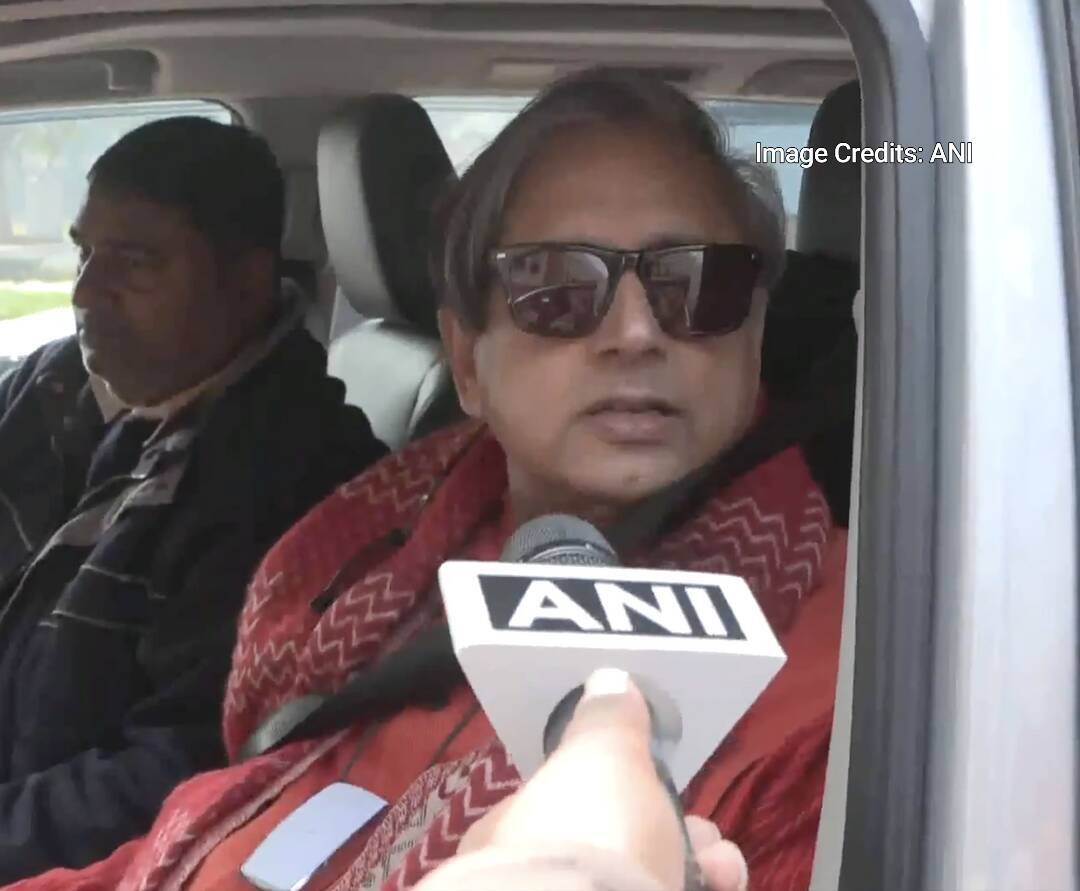
Seeking clarity on this, Congress MP Shashi Tharoor expressed his concerns, stating, “Our entire import bill is $700 billion, so are we going to stop buying from every other country?” Tharoor’s statement highlights the enormity of the situation, where India’s total imports amount to $700 billion, and the proposed deal with the US alone accounts for a staggering $500 billion. This raises several questions about the impact on India’s trade relations with other countries and the potential consequences on the country’s economy.
To put this into perspective, India’s total imports in 2020-21 stood at around $700 billion. The country’s import basket is diverse, with a significant portion coming from countries like China, the United Arab Emirates, Saudi Arabia, and Iraq, among others. If India were to commit to buying $500 billion worth of products from the US alone, it would significantly alter the country’s trade dynamics and potentially disrupt its relationships with other trading partners.
Tharoor’s concerns are not unfounded, as such a massive import commitment could lead to a significant shift in India’s trade policies. The country would need to drastically reduce its imports from other nations to accommodate the $500 billion worth of US products. This could lead to trade tensions and potentially harm India’s relationships with its other trading partners. Moreover, it could also lead to a decline in the competitiveness of Indian industries, as domestic manufacturers may struggle to compete with the influx of cheap US imports.
Furthermore, the $500 billion figure seems unrealistic, given the current trade volumes between India and the US. In 2020-21, India’s total imports from the US stood at around $30 billion. To increase this to $500 billion would require a massive expansion of trade, which seems unlikely in the short term. It is possible that the $500 billion figure is an aspirational target, rather than a firm commitment, but the lack of clarity on this issue has led to confusion and concern among trade experts.
The trade deal with the US is part of India’s efforts to diversify its trade relationships and reduce its dependence on any one country. However, the proposed $500 billion import commitment from the US could undermine this objective, as it would make India heavily reliant on the US for its import needs. This could limit India’s negotiating power and flexibility in its trade relationships with other countries.
In addition, the trade deal with the US has also sparked concerns about the potential impact on India’s agricultural sector. The US is a significant producer of agricultural products, and increased imports from the US could lead to a decline in demand for Indian agricultural products. This could have serious consequences for Indian farmers, who are already struggling with low incomes and limited market access.
In conclusion, the proposed $500 billion import commitment from the US has raised more questions than answers. While the trade deal with the US is an important step in strengthening India’s trade relationships, the lack of clarity on the $500 billion figure has led to concerns about the potential impact on India’s trade dynamics and economy. As Tharoor pointed out, India’s entire import bill is $700 billion, and committing to buy $500 billion worth of US products would require a significant shift in the country’s trade policies. It is essential that the government provides clarity on this issue and ensures that any trade agreements are in the best interests of the Indian economy and its people.
News source: https://x.com/ANI/status/2018584610888937726
About the Author