$700 bn total imports, $500 bn from US alone?: Tharoor on trade deal
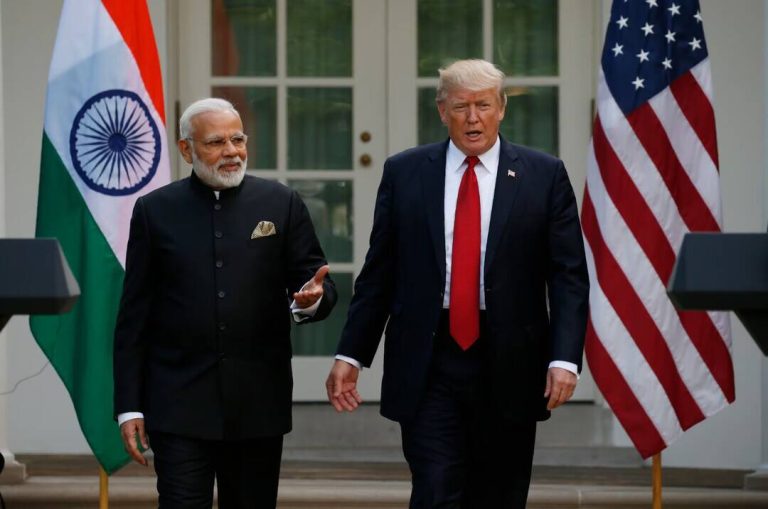
The recent trade deal between India and the United States has sparked a heated debate, with many questioning the validity of the claims made by US President Donald Trump. During the announcement of the trade deal, Trump stated that Indian Prime Minister Narendra Modi had committed to buying “$500 billion worth of US energy, technology, agricultural, coal, and many other products”. This statement has raised eyebrows, with many experts and politicians seeking clarification on the matter.
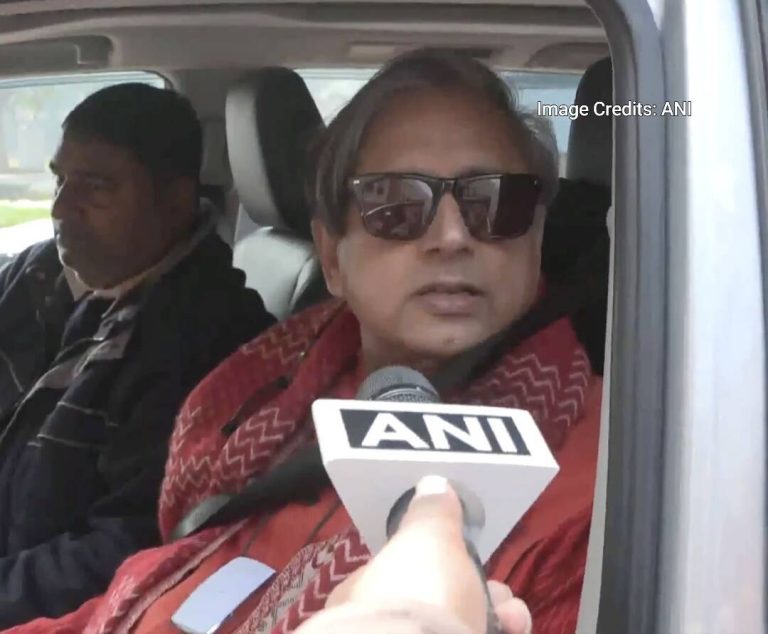
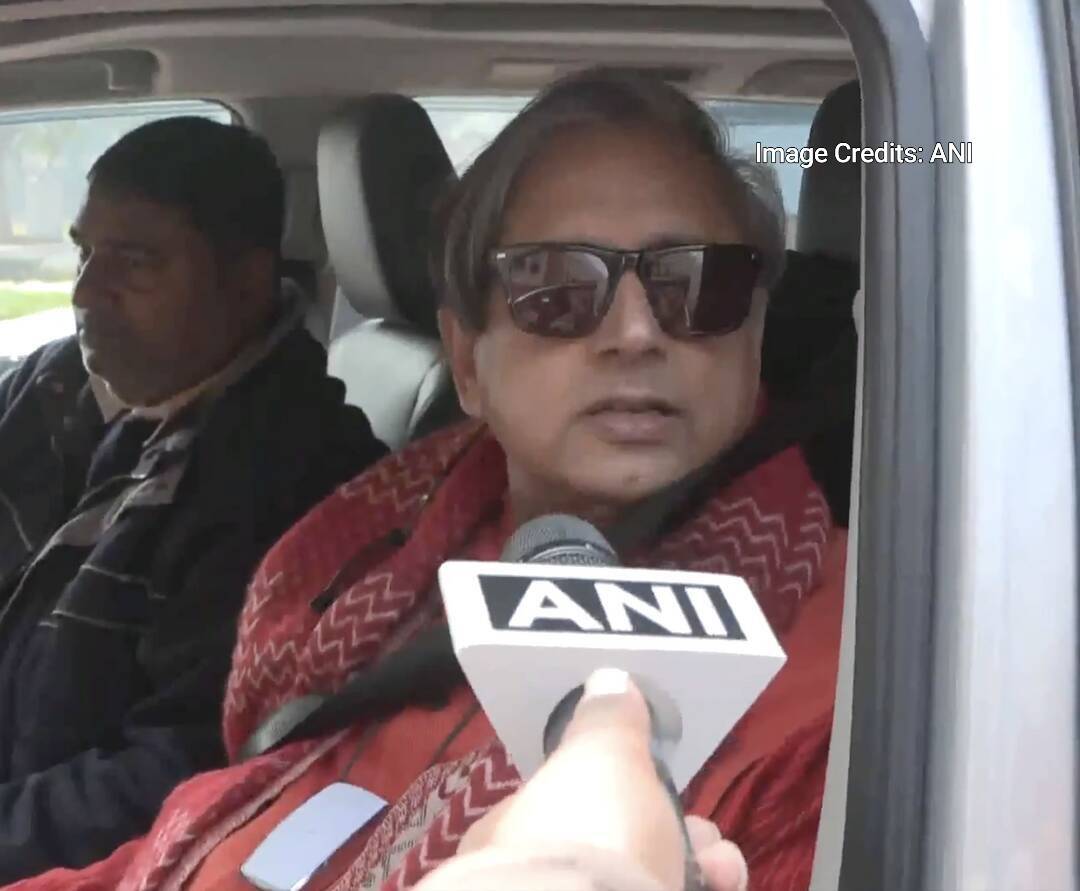
Congress MP Shashi Tharoor was one of the first to respond to Trump’s claim, questioning the feasibility of such a massive purchase. “Our entire import bill is $700 billion, so are we going to stop buying from every other country?” Tharoor asked, highlighting the absurdity of the situation. With India’s total imports amounting to $700 billion, it is indeed puzzling to think that $500 billion of that would come from the United States alone.
Tharoor’s statement has sparked a wider debate on the trade deal, with many experts weighing in on the matter. Some have argued that Trump’s claim is an exaggeration, meant to impress his domestic audience and boost his re-election campaign. Others have pointed out that the trade deal is still in its nascent stages, and it is too early to make such grand claims.
The trade deal between India and the US has been in the works for several months, with both countries engaging in intense negotiations. The deal is expected to boost bilateral trade between the two nations, with India agreeing to purchase more US goods and services. However, the details of the deal are still sketchy, and it is unclear how India plans to fulfill its commitments.
One of the main concerns surrounding the trade deal is the impact it will have on India’s trade relationships with other countries. If India is indeed committed to buying $500 billion worth of US goods and services, it is likely to affect its trade with other nations, including China, the European Union, and other countries in the Asia-Pacific region. This could lead to a significant shift in India’s trade policies, with potential consequences for the country’s economy.
Another concern is the impact of the trade deal on India’s domestic industries. With the US pushing for greater market access, Indian industries may face increased competition from American companies. This could lead to job losses and a decline in domestic production, particularly in sectors such as agriculture and manufacturing.
Tharoor’s statement has also raised questions about the role of the Indian government in negotiating the trade deal. If the government has indeed committed to buying $500 billion worth of US goods and services, it is unclear how this decision was made and what consultations were held with relevant stakeholders. The lack of transparency surrounding the trade deal has led to concerns about the government’s negotiating strategy and its impact on the country’s economy.
In conclusion, the trade deal between India and the US has sparked a heated debate, with many questioning the validity of Trump’s claims. Tharoor’s statement has highlighted the absurdity of the situation, with India’s entire import bill amounting to $700 billion. As the details of the trade deal become clearer, it is essential to assess the impact it will have on India’s trade relationships with other countries and its domestic industries. The government must provide greater transparency and clarity on the trade deal, ensuring that the interests of the Indian economy and its people are protected.
Source: https://x.com/ANI/status/2018584610888937726
About the Author