$700 bn total imports, $500 bn from US alone?: Tharoor on trade deal
The recent trade deal between India and the United States has sparked a lot of interest and debate among policymakers, economists, and the general public. While announcing the trade deal, US President Donald Trump claimed that Prime Minister Narendra Modi committed to buy “$500 billion worth of US energy, technology, agricultural, coal, and many other products”. This statement has raised eyebrows, with many questioning the feasibility and implications of such a massive commitment.
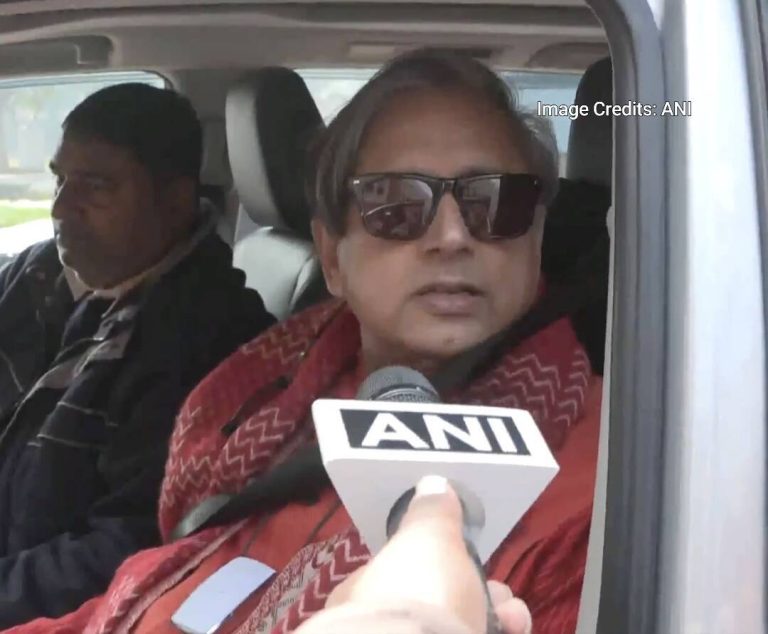
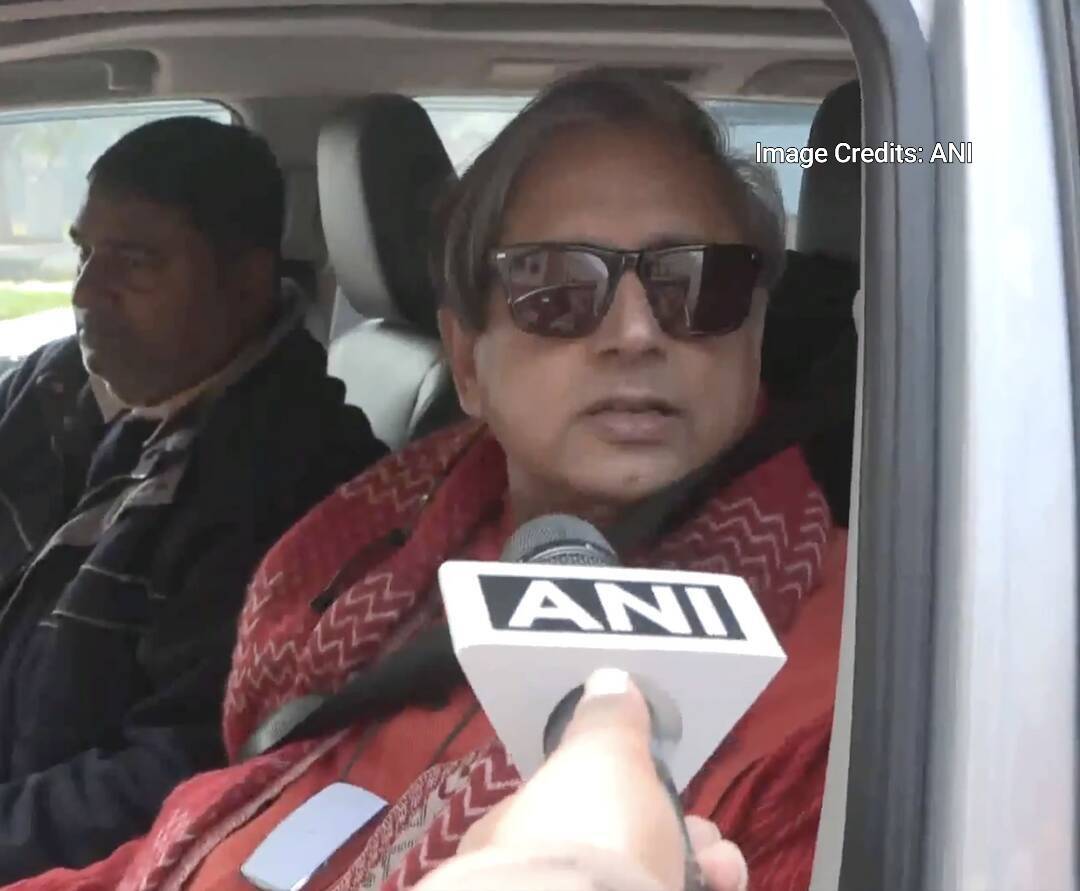
Seeking clarity on this, Congress MP Shashi Tharoor said, “Our entire import bill is $700 billion, so are we going to stop buying from every other country?” This statement highlights the concerns surrounding the trade deal and the potential impact it could have on India’s trade relationships with other countries. In this blog post, we will delve deeper into the trade deal and explore the implications of such a massive commitment to buy from the United States.
Firstly, it is essential to understand the context of the trade deal and the numbers involved. India’s total imports for the year 2022-2023 were approximately $700 billion. This includes a wide range of products such as crude oil, electronics, machinery, and agricultural products. The US, on the other hand, is one of India’s largest trading partners, with bilateral trade between the two countries valued at over $150 billion. The proposed commitment to buy $500 billion worth of US products would significantly increase the share of US imports in India’s total import bill.
Tharoor’s statement raises a valid question – can India afford to stop buying from every other country and rely solely on the US for its import needs? The answer is no. India has a diverse range of trade relationships with countries such as China, the European Union, and the Gulf Cooperation Council, among others. These relationships are critical for India’s economic growth and development, and it would be imprudent to jeopardize them by relying solely on the US.
Furthermore, the trade deal also raises concerns about the impact on India’s domestic industries. If India were to commit to buying $500 billion worth of US products, it could lead to a significant increase in imports, which could hurt domestic industries such as manufacturing and agriculture. This could also lead to job losses and a decline in economic growth.
Another issue with the trade deal is the lack of clarity on the specifics. What products would India be committing to buy from the US? Would it be limited to energy and technology, or would it include other products such as agricultural goods and machinery? How would the deal be structured, and what would be the payment terms? These are all critical questions that need to be answered before any commitment can be made.
In addition to these concerns, there are also geopolitical implications to consider. The trade deal could be seen as a strategic move by the US to increase its influence in the region and counter the growing economic presence of China. While this may be beneficial for the US, it could also lead to a decline in India’s relationships with other countries, particularly China.
In conclusion, the trade deal between India and the US has sparked a lot of debate and concern. While the idea of increasing trade between the two countries is welcome, the proposed commitment to buy $500 billion worth of US products is unrealistic and potentially harmful to India’s economic interests. As Tharoor pointed out, India’s entire import bill is $700 billion, and it would be imprudent to stop buying from every other country. The Indian government needs to carefully consider the implications of the trade deal and ensure that any commitment made is in the best interests of the country.
It is essential to have a nuanced and balanced approach to trade agreements, taking into account the interests of all stakeholders, including domestic industries, farmers, and consumers. The government should also ensure that any trade deal is transparent, with clear specifics on the products to be imported, payment terms, and the impact on domestic industries.
As the trade deal continues to evolve, it is crucial to have an open and informed discussion about the implications and potential consequences. The Indian government should engage with all stakeholders, including industry leaders, farmers, and civil society organizations, to ensure that the trade deal benefits the country as a whole.
In the end, the trade deal between India and the US has the potential to be a game-changer for both countries. However, it is crucial to approach the deal with caution and carefully consider the implications. As Tharoor said, “Our entire import bill is $700 billion, so are we going to stop buying from every other country?” This question needs to be answered, and the Indian government needs to ensure that any commitment made is in the best interests of the country.
News Source: https://x.com/ANI/status/2018584610888937726
About the Author