$700 bn total imports, $500 bn from US alone?: Tharoor on trade deal
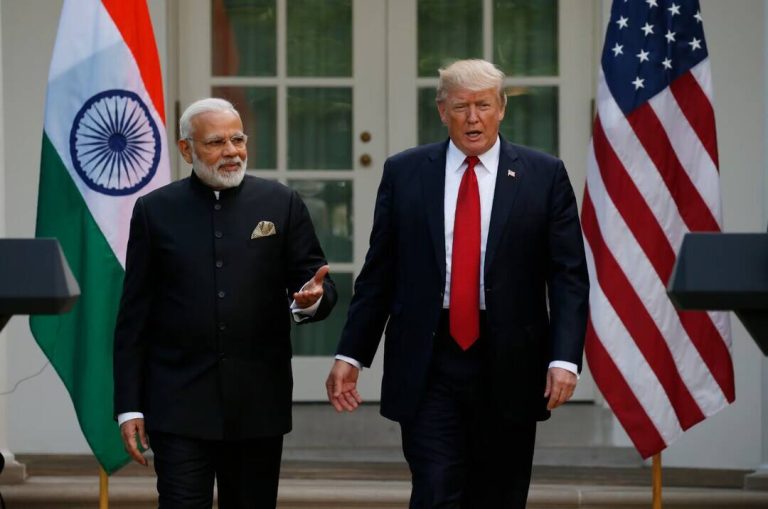
The recent trade deal between India and the United States has sparked a lot of interest and debate among policymakers, economists, and diplomats. While announcing the trade deal, US President Donald Trump claimed that Prime Minister Narendra Modi committed to buying “$500 billion worth of US energy, technology, agricultural, coal, and many other products”. This statement has raised several eyebrows, with many questioning the feasibility and implications of such a massive commitment.
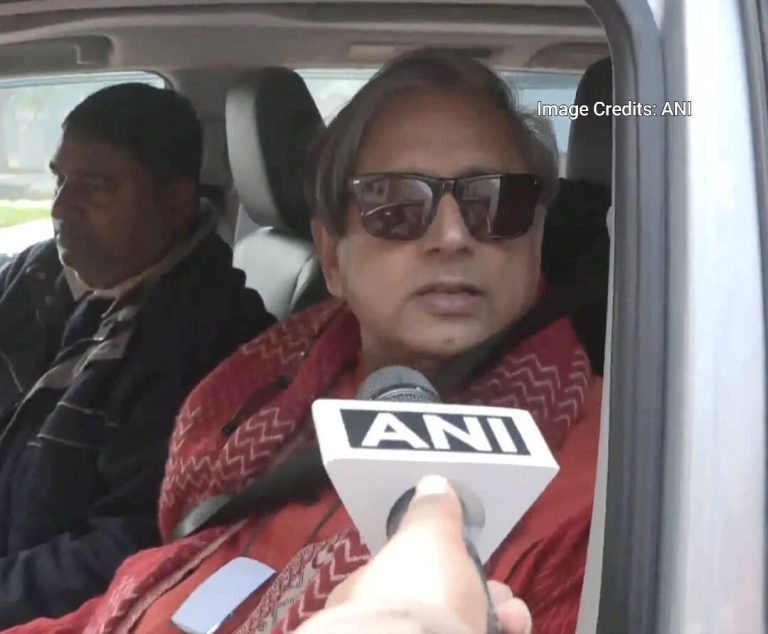
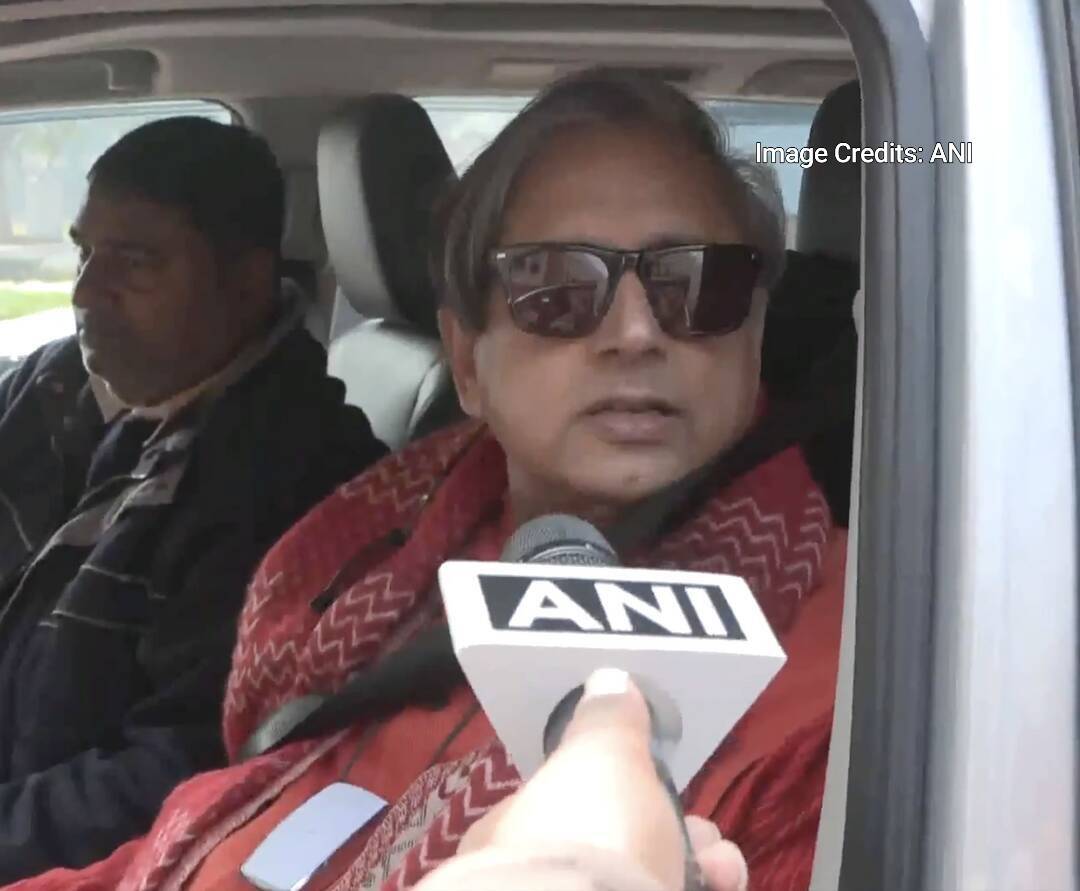
Seeking clarity on this, Congress MP Shashi Tharoor expressed his concerns, saying, “Our entire import bill is $700 billion, so are we going to stop buying from every other country?” This statement highlights the enormity of the claimed commitment and the potential consequences for India’s trade relationships with other countries. In this blog post, we will delve deeper into the trade deal, the claimed commitment, and the potential implications for India’s trade policy.
Firstly, it is essential to understand the context of the trade deal between India and the US. The two countries have been negotiating a trade agreement for several years, with the aim of increasing bilateral trade and investment. The US has been pushing India to open up its markets to American companies, particularly in the areas of agriculture, energy, and technology. India, on the other hand, has been seeking greater access to the US market for its goods and services, particularly in the areas of pharmaceuticals, textiles, and IT.
The claimed commitment of $500 billion worth of imports from the US is significant, to say the least. It is equivalent to approximately 70% of India’s total import bill, which stands at around $700 billion. This raises several questions, including whether India can afford to divert such a large proportion of its imports to a single country, and what the implications would be for its trade relationships with other countries.
Tharoor’s statement highlights the potential consequences of such a commitment. If India were to stop buying from every other country, it would have significant implications for its trade relationships with other nations. India has trade agreements with several countries, including the European Union, China, and the Association of Southeast Asian Nations (ASEAN). These agreements provide India with preferential access to these markets, and vice versa. If India were to divert a significant proportion of its imports to the US, it could lead to trade imbalances and potentially harm its relationships with these countries.
Furthermore, the claimed commitment also raises questions about the impact on India’s domestic industry. If India were to import $500 billion worth of goods and services from the US, it could lead to a significant increase in imports, which could harm domestic industries such as agriculture, manufacturing, and services. This could lead to job losses, particularly in the small and medium-sized enterprises (SME) sector, which is a significant contributor to India’s GDP.
Another important aspect to consider is the impact on India’s trade deficit. If India were to import $500 billion worth of goods and services from the US, it would significantly increase its trade deficit with the US. This could lead to a depreciation of the Indian rupee, making imports more expensive and potentially harming India’s economic growth.
In conclusion, the claimed commitment of $500 billion worth of imports from the US is a significant development, with potential implications for India’s trade policy and relationships with other countries. While the trade deal between India and the US is a positive step towards increasing bilateral trade and investment, it is essential to carefully consider the implications of such a massive commitment. As Tharoor pointed out, India’s entire import bill is $700 billion, and it is unlikely that the country can afford to divert such a large proportion of its imports to a single country.
The Indian government needs to provide clarity on the claimed commitment and its implications for the country’s trade policy. It is essential to ensure that any trade agreement with the US or any other country is in the best interests of India and its people. The government must also consider the potential consequences of such a commitment on India’s trade relationships with other countries and its domestic industry.
In the end, it is crucial to strike a balance between increasing trade and investment with other countries and protecting the interests of domestic industries and workers. The Indian government must carefully navigate these complex issues to ensure that the country’s trade policy is aligned with its economic growth and development goals.
Source: https://x.com/ANI/status/2018584610888937726
About the Author