$700 bn total imports, $500 bn from US alone?: Tharoor on trade deal
The recent trade deal between India and the United States has sparked a lot of debate and discussion among policymakers, economists, and industry experts. While announcing the trade deal, US President Donald Trump claimed that Prime Minister Narendra Modi had committed to buying “$500 billion worth of US energy, technology, agricultural, coal, and many other products”. This statement has raised several eyebrows, and many are seeking clarification on the specifics of the deal.
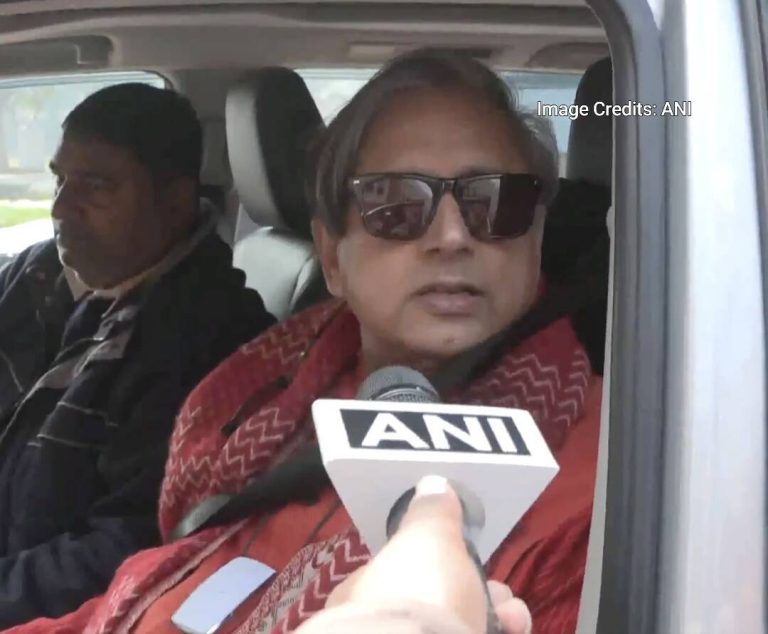
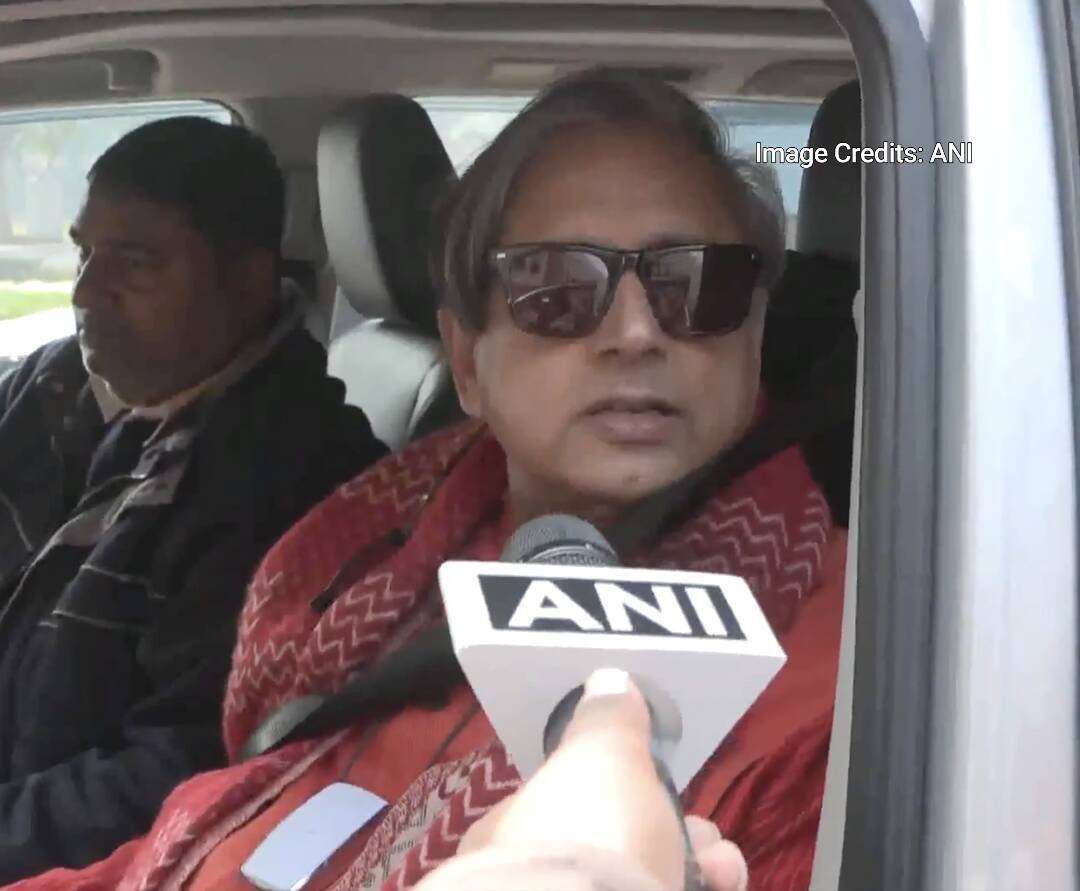
One of the prominent voices seeking clarity on this issue is Congress MP Shashi Tharoor. In a recent statement, Tharoor expressed his surprise and skepticism about the claimed commitment by PM Modi. “Our entire import bill is $700 billion, so are we going to stop buying from every other country?” he asked. This question highlights the concerns that many have about the impact of such a massive trade deal on India’s trade relationships with other countries.
To put this in perspective, India’s total imports for the year 2020-21 were approximately $700 billion. This includes imports from all countries, including the US, China, the European Union, and others. If India were to commit to buying $500 billion worth of goods from the US alone, it would account for more than 70% of its total imports. This would significantly alter the country’s trade dynamics and potentially disrupt its relationships with other trading partners.
Tharoor’s question also raises concerns about the potential impact on India’s trade deficit. If India were to increase its imports from the US by such a large amount, it could lead to a significant increase in the country’s trade deficit. This, in turn, could put pressure on the Indian rupee and have a negative impact on the country’s economy.
Furthermore, there are also concerns about the potential impact on Indian industries. If India were to commit to buying such a large amount of goods from the US, it could lead to a decline in domestic production and employment. This could be particularly problematic for industries such as agriculture, manufacturing, and textiles, which are already struggling to compete with cheap imports.
Another important aspect to consider is the potential impact on India’s trade agreements with other countries. If India were to sign a trade deal with the US that involves such a large commitment to buy American goods, it could potentially violate the principles of the World Trade Organization (WTO). The WTO requires its member countries to treat all trading partners equally and not to discriminate against any particular country.
In light of these concerns, it is essential to seek clarity on the specifics of the trade deal between India and the US. The Indian government needs to provide more information about the terms and conditions of the deal, including the amount of goods that India has committed to buy from the US. The government also needs to address the concerns about the potential impact on India’s trade relationships with other countries, its trade deficit, and domestic industries.
In conclusion, the trade deal between India and the US has sparked a lot of debate and discussion. While the deal has the potential to increase trade between the two countries, it also raises several concerns about the potential impact on India’s trade relationships with other countries, its trade deficit, and domestic industries. As Tharoor pointed out, it is essential to seek clarity on the specifics of the deal and to consider the potential implications before committing to such a large purchase of American goods.
The Indian government needs to be transparent about the terms and conditions of the deal and to address the concerns of all stakeholders. This includes providing more information about the amount of goods that India has committed to buy from the US, the potential impact on India’s trade relationships with other countries, and the measures that will be taken to mitigate any negative effects on domestic industries.
Ultimately, the goal of any trade deal should be to promote mutual benefit and cooperation between the two countries. While the trade deal between India and the US has the potential to increase trade and investment between the two countries, it is essential to ensure that the deal is fair, equitable, and beneficial to both parties.
News source: https://x.com/ANI/status/2018584610888937726
About the Author