$700 bn total imports, $500 bn from US alone?: Tharoor on trade deal
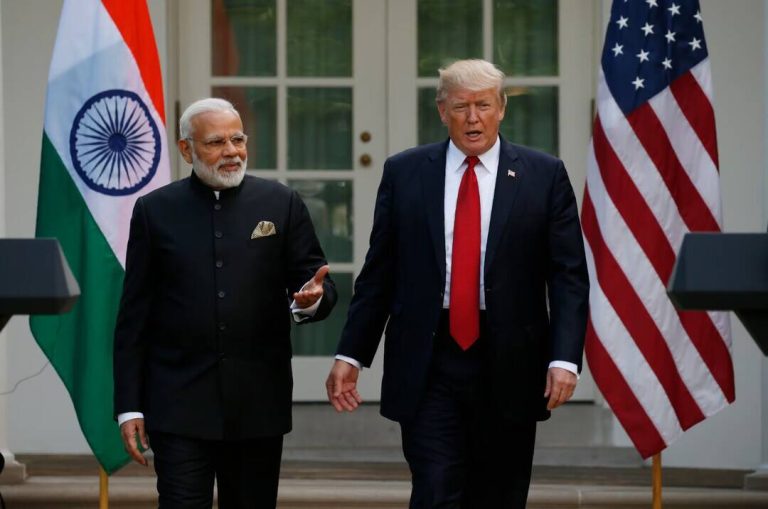
The recent trade deal between India and the United States has sparked a lot of debate and discussion among politicians, economists, and trade experts. While announcing the trade deal, US President Donald Trump claimed that Prime Minister Narendra Modi committed to buying “$500 billion worth of US energy, technology, agricultural, coal, and many other products”. This statement has raised several eyebrows, and many are seeking clarification on the specifics of the deal.
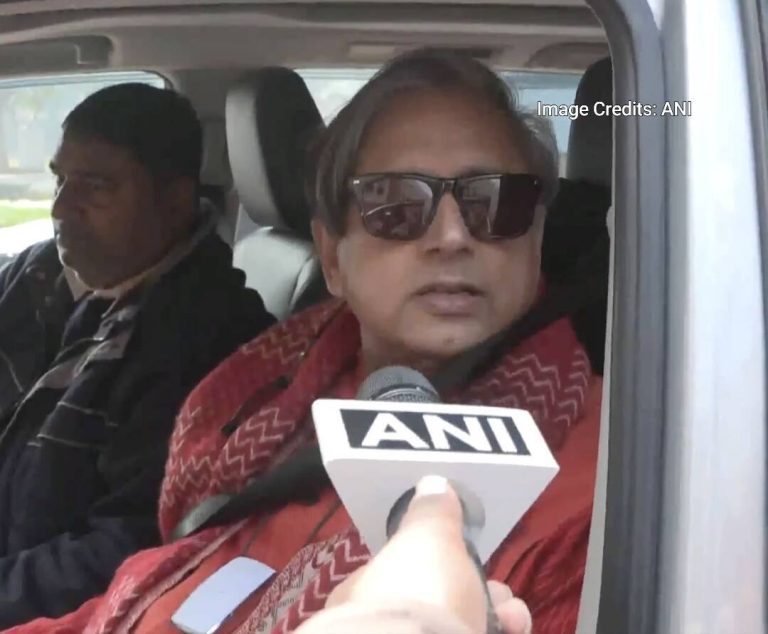
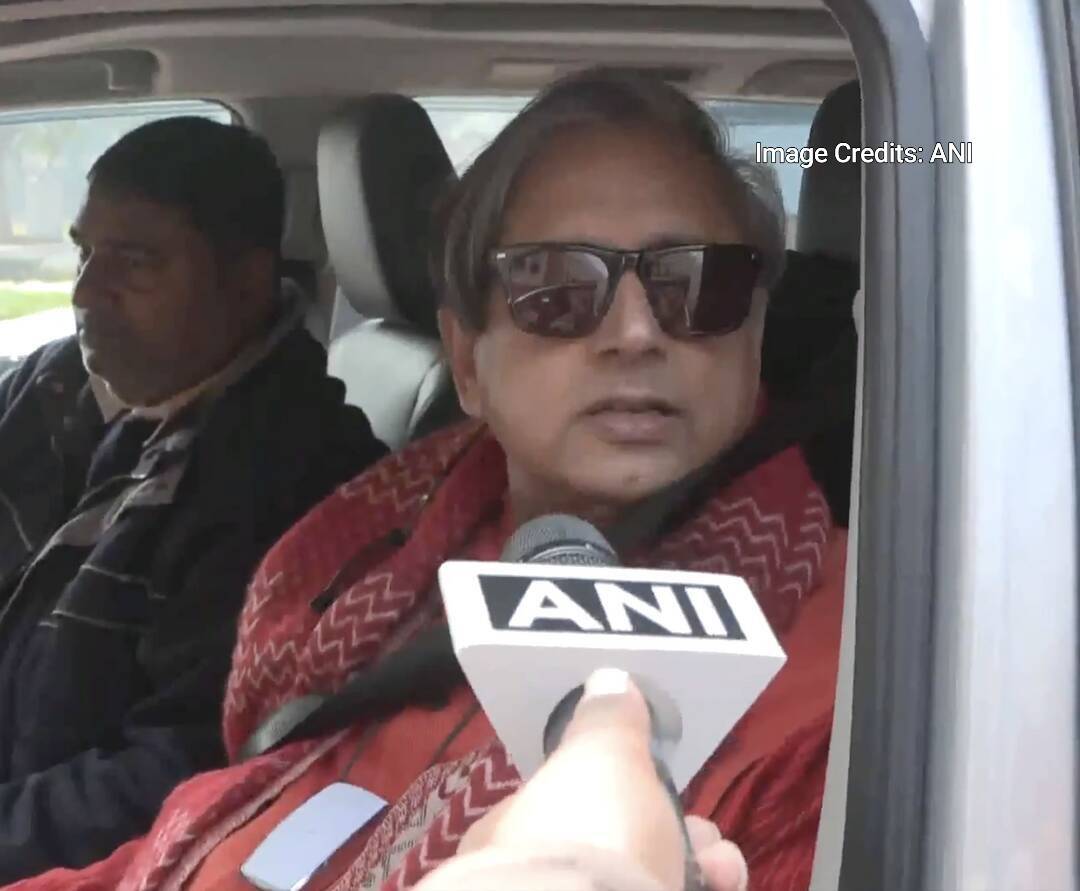
Congress MP Shashi Tharoor was one of the first to question the claim made by President Trump. Tharoor tweeted, “Our entire import bill is $700 billion, so are we going to stop buying from every other country?” This statement highlights the concerns that many have regarding the trade deal. If India is indeed committed to buying $500 billion worth of products from the US, it would mean that a significant portion of its total imports would be coming from one country alone.
To put this into perspective, India’s total imports for the year 2020-21 were approximately $700 billion. This includes imports from all countries, including China, the European Union, and other major trading partners. If $500 billion of this amount is going to come from the US, it would mean that India’s imports from other countries would have to be significantly reduced. This could have major implications for India’s trade relationships with other countries and could potentially lead to trade imbalances.
Tharoor’s statement also raises questions about the feasibility of such a large trade commitment. India’s economy is still recovering from the COVID-19 pandemic, and a trade deal of this magnitude could put a significant strain on the country’s finances. Furthermore, it is not clear what kind of products would be included in this $500 billion commitment, and whether they would be in line with India’s domestic priorities and needs.
Another concern that has been raised is the potential impact on India’s domestic industries. If India is committed to buying such a large amount of products from the US, it could lead to a surge in imports and potentially hurt domestic manufacturers. This could be particularly problematic for industries such as agriculture, where India has been trying to promote domestic production and reduce dependence on imports.
In addition to these concerns, there are also questions about the negotiating process that led to this trade deal. It is not clear what kind of concessions India had to make in order to secure this deal, and whether they would be in the best interests of the country. The lack of transparency around the negotiating process has led to speculation and rumors, which are not helpful in building trust and confidence in the trade deal.
Despite these concerns, there are also potential benefits to the trade deal. A significant increase in trade between India and the US could lead to the creation of new jobs, investment, and economic growth. The US is one of India’s largest trading partners, and a strong trade relationship between the two countries could have major benefits for both economies.
However, it is essential that the details of the trade deal are made public and that there is a thorough debate and discussion about its implications. The government must provide clarity on the specifics of the deal, including what kind of products would be included, and how it would be implemented. This would help to build trust and confidence in the trade deal and ensure that it is in the best interests of the country.
In conclusion, the trade deal between India and the US has sparked a lot of debate and discussion. While there are potential benefits to the deal, there are also concerns about its implications for India’s trade relationships with other countries, its domestic industries, and its economy. It is essential that the government provides clarity on the specifics of the deal and that there is a thorough debate and discussion about its implications.
As Tharoor said, “Our entire import bill is $700 billion, so are we going to stop buying from every other country?” This question highlights the need for transparency and clarity around the trade deal. The government must provide answers to these questions and ensure that the trade deal is in the best interests of the country.
News source: https://x.com/ANI/status/2018584610888937726
About the Author