₹200, ₹500 Indian notes allowed in Nepal again
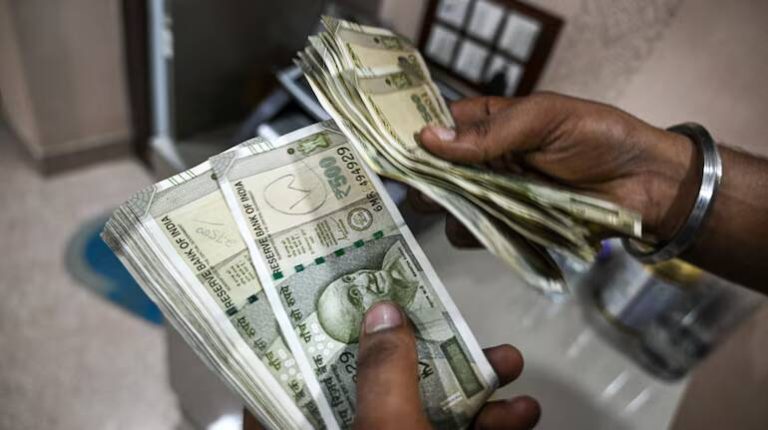
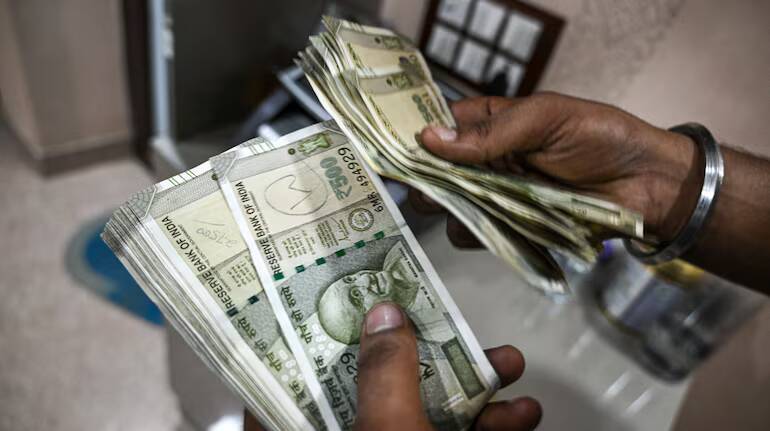
The Nepal government on Monday lifted the ban on high-denomination Indian currency notes of ₹200 and ₹500. Citizens can now carry up to ₹25,000 per person between India and Nepal. This comes after India eased restrictions on such notes, which were banned following the 2016 demonetisation after which the import and export of such notes from Nepal was banned.
The decision to lift the ban is expected to boost trade and tourism between the two countries. Nepal and India have a long-standing relationship, with India being one of Nepal’s largest trading partners. The ban on high-denomination Indian currency notes had caused significant inconvenience to citizens of both countries, particularly those living in border areas.
The 2016 demonetisation in India had led to a shortage of cash in Nepal, as many Nepalese citizens held Indian currency. The Nepalese government had to intervene to prevent a financial crisis, and the ban on high-denomination Indian currency notes was imposed as a measure to prevent the illegal exchange of currency.
However, with the easing of restrictions in India, the Nepalese government has decided to lift the ban. The move is expected to facilitate trade and tourism between the two countries, as citizens will now be able to carry higher denominations of Indian currency.
The lifting of the ban is also expected to benefit Nepalese citizens who work in India, as they will now be able to carry higher amounts of cash with them. Many Nepalese citizens work in India, particularly in the construction and service sectors, and they often face difficulties in carrying large amounts of cash with them.
The decision to lift the ban has been welcomed by business leaders and traders in both countries. They expect that the move will increase trade and investment between Nepal and India, and will also boost tourism.
Nepal is a popular tourist destination for Indians, with many Indians visiting the country every year. The lifting of the ban is expected to make it easier for Indian tourists to travel to Nepal, as they will now be able to carry higher denominations of Indian currency with them.
The Nepalese government has also announced that citizens will be able to exchange their Indian currency notes for Nepalese rupees at banks and currency exchange centers. This will make it easier for citizens to convert their Indian currency into Nepalese rupees, and will also help to prevent the illegal exchange of currency.
The lifting of the ban on high-denomination Indian currency notes is a significant development in the relationship between Nepal and India. It is expected to boost trade and tourism between the two countries, and will also make it easier for citizens to travel and do business between the two countries.
In conclusion, the Nepal government’s decision to lift the ban on high-denomination Indian currency notes is a welcome move. It is expected to facilitate trade and tourism between the two countries, and will also make it easier for citizens to carry higher denominations of Indian currency with them.
The move is also expected to benefit Nepalese citizens who work in India, as they will now be able to carry higher amounts of cash with them. The decision to lift the ban has been welcomed by business leaders and traders in both countries, and is expected to increase trade and investment between Nepal and India.
As the relationship between Nepal and India continues to grow, the lifting of the ban on high-denomination Indian currency notes is a significant development. It is expected to have a positive impact on the economies of both countries, and will also make it easier for citizens to travel and do business between the two countries.
About the Author