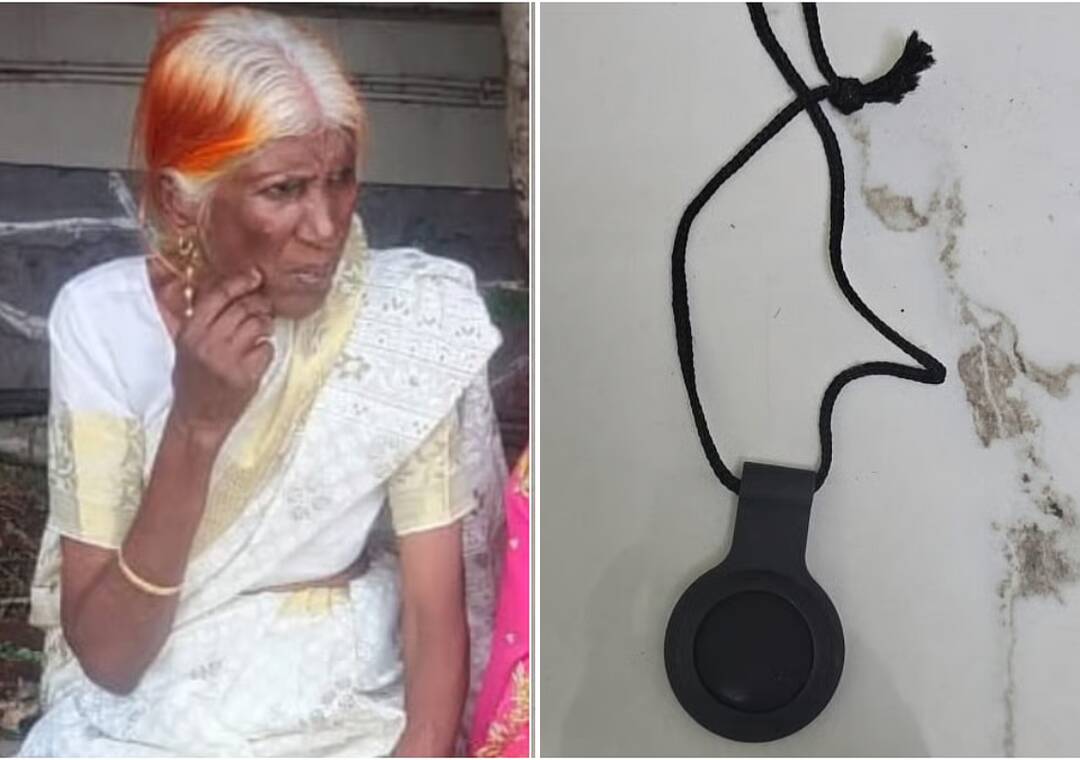
Woman with memory issues gets hit by 2-wheeler, found with help of GPS tracker in Mumbai
In a heart-wrenching incident, a 79-year-old woman in Mumbai’s Sewri area, who suffers from memory-related issues, was hit by a two-wheeler while she was out for an evening walk. The accident, which occurred in a crowded area, left the woman severely injured and disoriented. However, thanks to the quick thinking of her grandson and the help of a GPS tracker, she was eventually found at KEM Hospital, where a passerby had taken her after the accident.
The woman, who has been suffering from memory-related issues for some time, had been going out for walks in the evening as part of her daily routine. However, on this particular day, she failed to return home, leaving her family frantic with worry. Her grandson, who had been taking care of her, tried to search for her in the neighborhood, but she was nowhere to be found.
As the hours ticked by, the family’s anxiety grew, and they began to fear the worst. It was then that the grandson remembered the GPS tracker that he had placed on her necklace, owing to her medical condition. The tracker, which was designed to help locate people with dementia or Alzheimer’s disease, had been a lifesaver in this situation.
The grandson quickly activated the GPS tracker and was able to locate his grandmother’s whereabouts. To their relief, they found that she was at KEM Hospital, where a passerby had taken her after the accident. The family immediately rushed to the hospital, where they were reunited with their loved one.
According to reports, a passerby had seen the woman lying on the road after the accident and had taken her to the hospital. The hospital staff had provided her with the necessary medical attention, and she was stable, although injured.
The incident highlights the importance of using technology to help people with memory-related issues. The GPS tracker, which was designed to help locate people who may wander off or get lost, had proved to be a valuable tool in this situation. It not only helped the family locate their loved one but also ensured that she received the medical attention she needed in time.
The use of GPS trackers for people with dementia or Alzheimer’s disease is becoming increasingly common. These trackers can be worn as a pendant or attached to a belt, and they use cellular networks to provide location information to caregivers or family members. They can be especially useful in situations like this, where the person may wander off or get lost, and may not be able to remember their way back home.
In addition to GPS trackers, there are other technologies that can help people with memory-related issues. For example, wearable devices like smartwatches or fitness trackers can be used to monitor a person’s location and activity levels. Some of these devices also have features like fall detection, which can alert caregivers or family members in case the person falls or is involved in an accident.
The incident also highlights the importance of community involvement in helping people with memory-related issues. The passerby who took the woman to the hospital had shown great kindness and compassion, and his actions had helped save her life. It is essential for communities to come together to support people with dementia or Alzheimer’s disease, and to provide them with the care and attention they need.
In conclusion, the incident involving the 79-year-old woman in Mumbai’s Sewri area is a heart-wrenching reminder of the challenges faced by people with memory-related issues. However, it also highlights the importance of using technology to help these individuals, and the role that communities can play in supporting them. The use of GPS trackers, wearable devices, and other technologies can help people with dementia or Alzheimer’s disease to live safely and independently, and can provide peace of mind to their caregivers and family members.
As we move forward, it is essential to continue to develop and use technologies that can help people with memory-related issues. We must also work to create communities that are supportive and inclusive, and that provide the care and attention that these individuals need. By working together, we can help people with dementia or Alzheimer’s disease to live fulfilling and meaningful lives, and to ensure that they receive the dignity and respect they deserve.
About the Author