Will Set Example for All Airlines: Aviation Minister on IndiGo Crisis
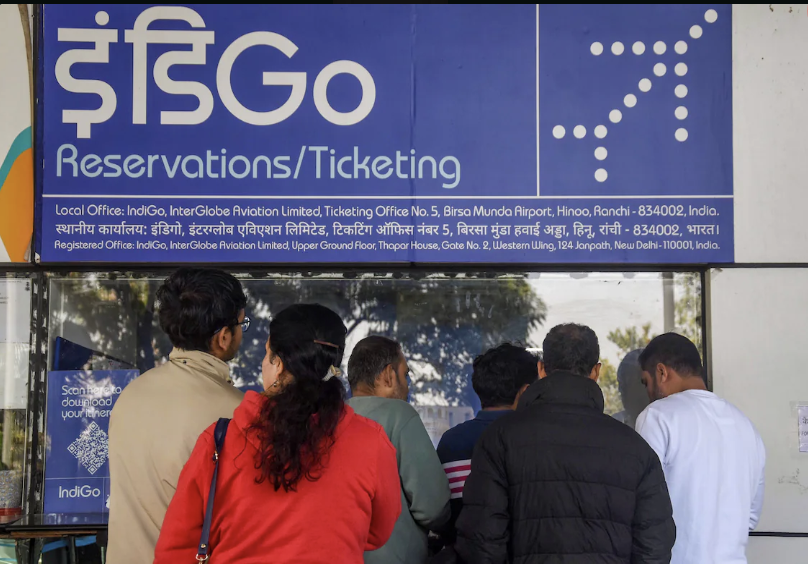
The Indian aviation industry has been plagued by a series of disruptions and challenges in recent times, with the latest being the IndiGo crisis. The country’s largest airline has been facing a severe shortage of crew members, resulting in massive flight cancellations and disruptions to the travel plans of thousands of passengers. The situation has been described as an “internal crisis” by Union Civil Aviation Minister Rammohan Naidu, who has warned the airline of strict action.
Speaking in Parliament, Minister Naidu expressed his concern over the situation and stated that the government will take strict action against IndiGo. “We will take strict action, and we will set an example for every airline,” he said. The minister’s statement comes after a meeting with the airline’s management, where he was briefed on the situation and the steps being taken to address the crisis.
The crew shortage has been attributed to a combination of factors, including the rapid expansion of the airline’s fleet and the failure to recruit and train sufficient numbers of pilots and cabin crew. The situation has been exacerbated by the high levels of employee turnover, with many crew members leaving the airline to join competitors or pursue other opportunities.
The government has begun a detailed inquiry into the crisis, with Minister Naidu stating that the investigation will examine the root causes of the problem and identify measures to prevent similar situations from arising in the future. The minister also emphasized the need for the airline to take immediate action to address the shortage, including recruiting and training new crew members and implementing more efficient rostering systems.
The IndiGo crisis has significant implications for the Indian aviation industry as a whole. With the country’s air travel market expected to continue growing rapidly in the coming years, the need for efficient and reliable air services has never been more pressing. The government has set ambitious targets for the growth of the aviation sector, including the aim of making India the third-largest aviation market in the world by 2025.
Minister Naidu emphasized that India has the potential to support five major airlines, and that the government is committed to creating a favorable environment for the growth and development of the aviation sector. However, he also stressed the need for airlines to prioritize the interests of passengers and to maintain the highest standards of safety and service.
The IndiGo crisis has also raised questions about the regulatory framework governing the aviation industry in India. The Directorate General of Civil Aviation (DGCA) has been criticized for its failure to anticipate and prevent the crisis, with some experts arguing that the regulator has been too lenient in its oversight of the airline.
In response to the criticism, the DGCA has announced plans to review its regulatory framework and to introduce new measures to improve the safety and efficiency of air services in India. The regulator has also stated that it will work closely with airlines to identify and address potential risks and challenges, and to ensure that the highest standards of safety and service are maintained.
In conclusion, the IndiGo crisis has highlighted the need for urgent action to address the challenges facing the Indian aviation industry. The government’s commitment to taking strict action against the airline and to setting an example for the rest of the industry is a welcome step, and it is hoped that the measures being taken will help to prevent similar situations from arising in the future.
As the Indian aviation industry continues to grow and evolve, it is essential that airlines prioritize the interests of passengers and maintain the highest standards of safety and service. The government and regulatory authorities must also play a crucial role in overseeing the industry and ensuring that the highest standards are maintained.
The situation at IndiGo is a wake-up call for the entire aviation industry, and it is hoped that the lessons learned from this crisis will help to create a more efficient, reliable, and passenger-friendly air travel system in India.
About the Author