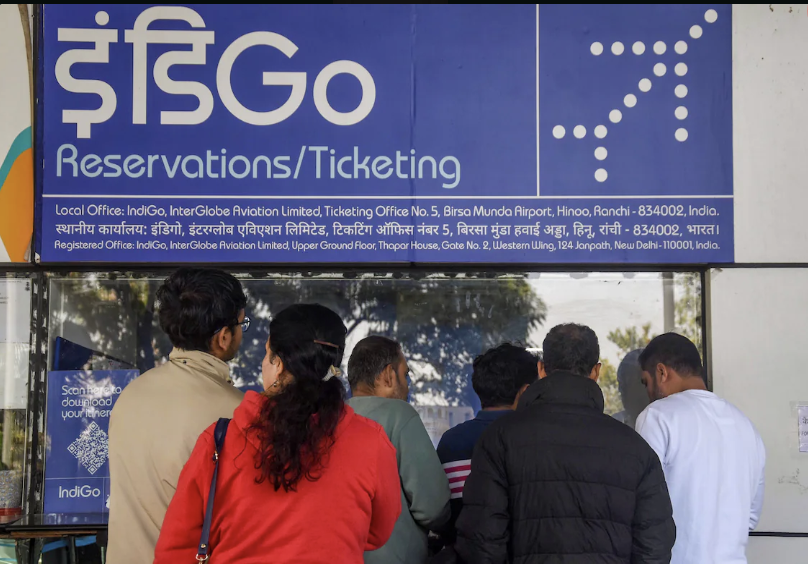
Will Set Example for All Airlines: Aviation Minister on IndiGo Crisis
The Indian aviation industry has been in the spotlight recently, and not for the right reasons. The country’s largest airline, IndiGo, has been facing a severe crisis due to a shortage of crew members, resulting in the cancellation of numerous flights. This has left thousands of passengers stranded and frustrated, and has raised concerns about the airline’s ability to manage its operations effectively.
In response to the crisis, Union Civil Aviation Minister Rammohan Naidu has warned IndiGo of strict action, stating that the government will not tolerate such disruptions to the aviation sector. In a statement, Naidu called the situation an “internal crisis” and emphasized that the government will take stern measures to address the issue. “We’ll take strict action…and we will set an example for every airline,” he said, making it clear that the government will not hesitate to crack down on airlines that fail to maintain minimum standards of service.
The crew shortage at IndiGo has been attributed to a combination of factors, including a rapid expansion of the airline’s fleet and a lack of adequate planning to ensure that there are sufficient crew members to operate the additional flights. The airline has been trying to recruit more pilots and cabin crew, but the process has been slow, and the shortage has resulted in a significant number of flight cancellations.
The government’s response to the crisis is understandable, given the impact that it has had on passengers and the reputation of the Indian aviation industry as a whole. The Civil Aviation Ministry has begun a detailed inquiry into the matter, and Naidu has stressed that the government will take all necessary steps to ensure that such disruptions do not occur in the future.
One of the key concerns that the government has is that the crisis at IndiGo could have a ripple effect on the entire aviation industry. If one airline is allowed to get away with such lapses in service, it could set a bad precedent for other airlines, and undermine the confidence of passengers in the industry as a whole. By taking strict action against IndiGo, the government is sending a clear message that it will not tolerate any compromises on safety or service standards.
Naidu also emphasized that India has the potential to support five major airlines, and that the government is committed to promoting the growth of the aviation sector. However, he made it clear that this growth must be sustainable and responsible, and that airlines must prioritize the needs of their passengers and maintain the highest standards of service.
The crisis at IndiGo has also raised questions about the regulatory framework that governs the aviation industry in India. While the Directorate General of Civil Aviation (DGCA) is responsible for ensuring that airlines comply with safety and service standards, there have been concerns that the regulator has not been effective in enforcing these standards.
In recent years, there have been several instances of airlines violating safety norms or compromising on service standards, and the DGCA has been criticized for not taking adequate action against these airlines. The government’s response to the IndiGo crisis suggests that it is taking a more proactive approach to regulating the industry, and that it will not hesitate to take strict action against airlines that fail to comply with regulatory requirements.
In conclusion, the crisis at IndiGo has highlighted the need for stronger regulation and oversight of the aviation industry in India. The government’s response to the crisis is a welcome step in the right direction, and it is hoped that it will set a precedent for the industry as a whole. By taking strict action against airlines that compromise on safety or service standards, the government can help to promote a culture of accountability and responsibility in the industry, and ensure that passengers receive the level of service that they deserve.
As the aviation industry in India continues to grow and evolve, it is essential that the government and regulatory authorities remain vigilant and proactive in ensuring that airlines prioritize the needs of their passengers and maintain the highest standards of service. The crisis at IndiGo is a wake-up call for the industry, and it is hoped that it will lead to a more sustainable and responsible approach to growth and development in the years to come.
About the Author