Will Set Example for All Airlines: Aviation Minister on IndiGo Crisis
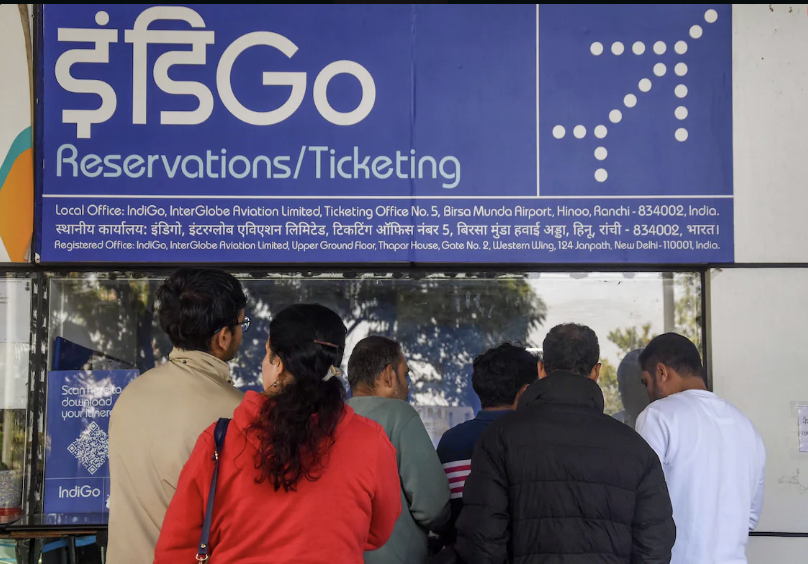
The Indian aviation sector has been making headlines lately, and not for the right reasons. The recent crisis faced by IndiGo, one of the country’s largest airlines, has raised concerns about the industry’s ability to manage its operations efficiently. The airline’s crew shortage led to massive flight cancellations, leaving thousands of passengers stranded and frustrated. The situation has prompted the Union Civil Aviation Minister, Rammohan Naidu, to intervene and warn IndiGo of strict action.
In a strong statement, Minister Naidu termed the situation an “internal crisis” and assured that the government will take strict action against the airline. “We’ll take strict action…and we will set an example for every airline,” he said. The Minister’s statement indicates that the government will not tolerate any negligence or inefficiency on the part of airlines, and those found guilty will be dealt with severely.
The government has already begun a detailed inquiry into the matter, and the Minister has stressed that India has the potential to support five major airlines. This statement is significant, as it suggests that the government is committed to promoting the growth of the aviation sector, but not at the cost of compromising on safety and efficiency.
The IndiGo crisis has raised several questions about the airline’s management and its ability to handle its operations. The crew shortage, which led to the cancellation of hundreds of flights, has been attributed to various factors, including the airline’s rapid expansion and the lack of adequate training facilities. The situation has also highlighted the need for better planning and management on the part of airlines to avoid such crises in the future.
The government’s decision to take strict action against IndiGo is a welcome move, as it will send a strong message to other airlines to get their act together. The aviation sector is a critical component of the country’s infrastructure, and any disruption to its services can have far-reaching consequences. The government’s intervention is, therefore, necessary to ensure that airlines operate efficiently and safely.
The IndiGo crisis has also sparked a debate about the need for better regulation of the aviation sector. While the government has introduced several measures to promote the growth of the sector, including the introduction of new airports and the expansion of existing ones, more needs to be done to ensure that airlines operate safely and efficiently. The government must work closely with airlines, airports, and other stakeholders to identify the challenges facing the sector and develop solutions to address them.
In recent years, the Indian aviation sector has experienced rapid growth, with the number of air passengers increasing significantly. This growth has been driven by several factors, including the increasing demand for air travel, the expansion of airports, and the introduction of new airlines. However, this growth has also posed several challenges, including the need for better infrastructure, more efficient operations, and enhanced safety measures.
The government has taken several steps to promote the growth of the aviation sector, including the introduction of the National Civil Aviation Policy (NCAP) in 2016. The policy aims to create a vibrant and sustainable aviation sector that can support the country’s economic growth. The policy has several key objectives, including the promotion of regional connectivity, the development of new airports, and the enhancement of safety and security measures.
The IndiGo crisis has highlighted the need for better implementation of the NCAP. While the policy has several laudable objectives, its implementation has been slow, and several challenges remain to be addressed. The government must work closely with airlines, airports, and other stakeholders to ensure that the policy’s objectives are achieved.
In conclusion, the IndiGo crisis has raised several concerns about the Indian aviation sector’s ability to manage its operations efficiently. The government’s decision to take strict action against the airline is a welcome move, as it will send a strong message to other airlines to get their act together. The government must work closely with airlines, airports, and other stakeholders to promote the growth of the aviation sector, while ensuring that safety and efficiency are not compromised. As Minister Naidu said, the government will “set an example for every airline,” and this statement should serve as a warning to all airlines to prioritize their operations and ensure that they operate safely and efficiently.
About the Author