Will Set Example for All Airlines: Aviation Minister on IndiGo Crisis
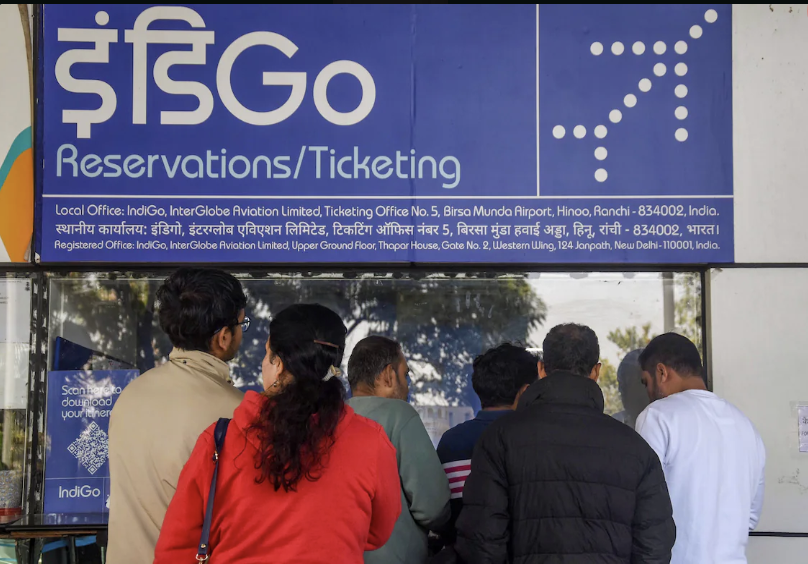
The Indian aviation industry has been plagued by a series of controversies and crises in recent months, with the latest being the IndiGo crisis. The country’s largest airline has been facing a severe crew shortage, resulting in massive flight cancellations and disruptions to the travel plans of thousands of passengers. The situation has prompted Union Civil Aviation Minister Rammohan Naidu to warn IndiGo of strict action, stating that the government will “set an example for every airline” in dealing with the crisis.
According to reports, the crew shortage at IndiGo has been caused by a combination of factors, including the airline’s rapid expansion, high attrition rates among pilots, and a shortage of trained crew members. The situation has been exacerbated by the airline’s decision to reduce the notice period for pilots from 90 days to 30 days, which has led to a large number of pilots leaving the airline. As a result, IndiGo has been forced to cancel hundreds of flights, leaving passengers stranded and frustrated.
The crisis at IndiGo has sparked a heated debate about the state of the Indian aviation industry, with many experts arguing that the government needs to take a more proactive role in regulating the sector. The government has already begun a detailed inquiry into the crisis, with Minister Naidu stating that “we will take strict action…and we will set an example for every airline.” The minister’s comments suggest that the government is taking a tough stance on the issue, and that IndiGo can expect severe penalties if it is found to be at fault.
The IndiGo crisis has also raised questions about the sustainability of the Indian aviation industry, with many experts arguing that the sector is facing a major crisis. The industry has been plagued by a series of controversies in recent months, including the grounding of Jet Airways, the collapse of Kingfisher Airlines, and the financial struggles of Air India. The crisis at IndiGo has added to these concerns, with many experts warning that the industry is facing a major crisis of confidence.
However, Minister Naidu has sought to reassure the public that the government is committed to supporting the growth of the Indian aviation industry. The minister stated that India has the potential to support five major airlines, and that the government is working to create a favorable environment for the growth of the sector. The minister’s comments suggest that the government is taking a long-term view of the industry, and that it is committed to supporting the growth of the sector.
The government’s response to the IndiGo crisis has been widely welcomed by the industry, with many experts praising the minister’s tough stance on the issue. The crisis has highlighted the need for greater regulation and oversight of the Indian aviation industry, and the government’s response has been seen as a positive step in this direction. However, the crisis has also raised questions about the sustainability of the industry, and the government’s ability to support the growth of the sector.
In conclusion, the IndiGo crisis has sparked a major controversy in the Indian aviation industry, with the government warning the airline of strict action. The crisis has highlighted the need for greater regulation and oversight of the industry, and the government’s response has been seen as a positive step in this direction. However, the crisis has also raised questions about the sustainability of the industry, and the government’s ability to support the growth of the sector. As the industry continues to evolve and grow, it is likely that the government will face increasing pressure to regulate the sector and ensure that airlines are operating safely and efficiently.
The government’s commitment to supporting the growth of the Indian aviation industry is a positive step, and it is likely that the sector will continue to grow and evolve in the coming years. However, the crisis at IndiGo has highlighted the need for greater regulation and oversight of the industry, and the government will need to take a tough stance on issues such as safety, security, and consumer protection. As the industry continues to grow and evolve, it is likely that the government will face increasing pressure to regulate the sector and ensure that airlines are operating safely and efficiently.
The Indian aviation industry is a critical component of the country’s economy, and it is essential that the government takes a proactive role in regulating the sector. The crisis at IndiGo has highlighted the need for greater regulation and oversight of the industry, and the government’s response has been seen as a positive step in this direction. As the industry continues to grow and evolve, it is likely that the government will face increasing pressure to regulate the sector and ensure that airlines are operating safely and efficiently.
In the coming months, it is likely that the government will take a number of steps to regulate the Indian aviation industry and ensure that airlines are operating safely and efficiently. The government may introduce new regulations and guidelines for the industry, and it is likely that airlines will face increased scrutiny and oversight. The crisis at IndiGo has highlighted the need for greater regulation and oversight of the industry, and the government’s response has been seen as a positive step in this direction.
As the Indian aviation industry continues to grow and evolve, it is essential that the government takes a proactive role in regulating the sector. The crisis at IndiGo has highlighted the need for greater regulation and oversight of the industry, and the government’s response has been seen as a positive step in this direction. The government’s commitment to supporting the growth of the industry is a positive step, and it is likely that the sector will continue to grow and evolve in the coming years.
About the Author