Why Mumbai’s Air is Getting Worse?
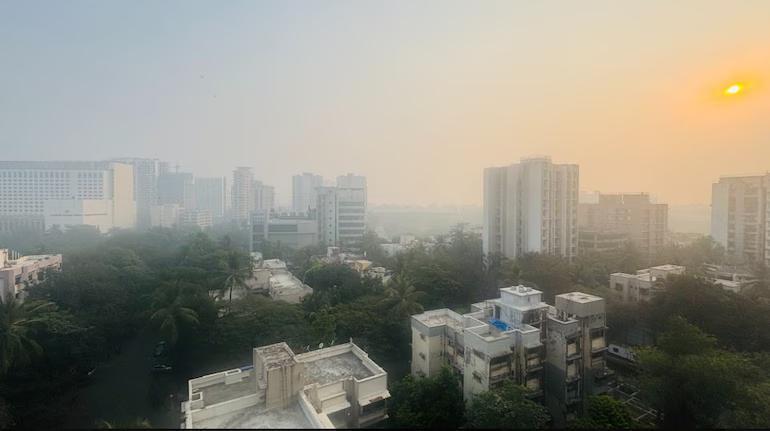
Mumbai, the financial capital of India, has been struggling with poor air quality in recent days. The city’s air quality index (AQI) has been fluctuating, with some areas experiencing extremely high levels of pollution. The sudden deterioration in air quality has left many residents wondering what is causing this problem. According to recent reports, a combination of local pollution sources and seasonal weather shifts are to blame for the worsening air quality in Mumbai.
One of the primary reasons for the poor air quality in Mumbai is the increase in roadwork and construction activities across the city. After the monsoon season, roadwork picked up, leading to higher levels of road dust in the air. This, combined with the existing pollution from vehicles, has resulted in a significant increase in particulate matter (PM) in the air. PM is a major pollutant that can cause respiratory problems, cardiovascular disease, and even cancer.
Another major factor contributing to the poor air quality in Mumbai is the surge in construction activities across the city. Construction sites are a significant source of pollution, as they generate large amounts of dust, noise, and other pollutants. The city’s eastern corridor, which is home to several heavy industries and refineries, is also a major contributor to air pollution. Industrial fumes from these plants contain toxic chemicals that can cause serious health problems.
The weather patterns in Mumbai have also played a role in the worsening air quality. During the monsoon season, the rain helps to wash away pollutants from the air, resulting in cleaner air. However, after the monsoon, the weather becomes dry and cool, leading to a temperature inversion. This phenomenon occurs when a layer of cool air is trapped under a layer of warm air, preventing pollutants from escaping. As a result, the pollutants become trapped in the air, leading to a significant increase in AQI.
The impact of poor air quality on human health is well-documented. Exposure to polluted air can cause a range of health problems, from mild respiratory issues to life-threatening diseases. Children, older adults, and people with pre-existing medical conditions are particularly vulnerable to the effects of air pollution. In addition to the health impacts, poor air quality also affects the economy and quality of life in Mumbai. For example, poor air quality can reduce visibility, making it difficult to navigate the city, and can also damage crops and other vegetation.
So, what can be done to address the problem of poor air quality in Mumbai? The first step is to reduce the amount of pollutants being released into the air. This can be achieved by implementing stricter emission norms for vehicles and industries, as well as by increasing the use of clean energy sources such as solar and wind power. The city can also implement measures to reduce dust from construction sites, such as using dust-suppressing technologies and implementing better waste management practices.
The government can also play a crucial role in addressing the problem of poor air quality in Mumbai. For example, the government can implement policies to reduce the number of vehicles on the road, such as promoting the use of public transport, carpooling, and cycling. The government can also provide incentives for industries to adopt cleaner technologies and practices, such as tax breaks or subsidies for companies that invest in pollution-reducing technologies.
In addition to these measures, individuals can also take steps to reduce their contribution to air pollution. For example, people can use public transport, walk, or cycle instead of driving, and can also reduce their energy consumption by using energy-efficient appliances and turning off lights and electronics when not in use. Individuals can also support organizations that work to reduce air pollution, such as environmental groups that advocate for cleaner energy and reduced emissions.
In conclusion, the poor air quality in Mumbai is a complex problem that requires a multi-faceted approach to solve. The city’s air quality has deteriorated in recent days due to a combination of local pollution sources and seasonal weather shifts. Roadwork, construction activities, and industrial fumes are all major contributors to air pollution in Mumbai. To address this problem, it is essential to reduce the amount of pollutants being released into the air, implement measures to reduce dust from construction sites, and promote the use of clean energy sources. The government, individuals, and organizations must all work together to reduce air pollution and improve the quality of life in Mumbai.
About the Author