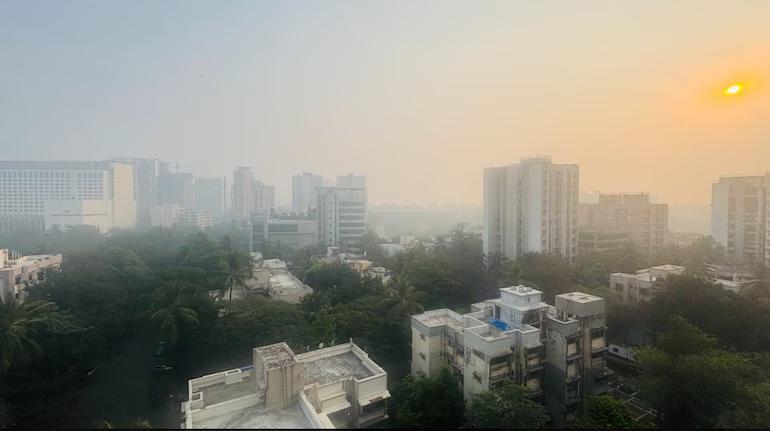
Why Mumbai’s Air is Getting Worse?
Mumbai, the financial capital of India, is known for its bustling streets, vibrant culture, and diverse population. However, in recent days, the city has been plagued by a severe air pollution crisis. The air quality in Mumbai has deteriorated significantly, leaving residents gasping for breath. The city’s Air Quality Index (AQI) has been consistently high, exceeding safe limits and posing a serious threat to the health and well-being of its citizens.
The sudden spike in air pollution can be attributed to a combination of local pollution sources and seasonal weather shifts. As the monsoon season came to an end, roadwork picked up pace, pushing road-dust levels higher across the city. The increased construction activity, industrial fumes from heavy industries and refineries along the eastern corridor, and vehicular emissions have all contributed to the worsening air quality.
One of the primary factors contributing to Mumbai’s poor air quality is the surge in construction activity across the city. The construction sector is a significant contributor to air pollution, with activities such as excavation, drilling, and demolition releasing large amounts of particulate matter into the air. The city’s infrastructure development projects, including the construction of new roads, bridges, and buildings, have led to an increase in dust and debris, further exacerbating the air pollution problem.
Another major factor is the presence of heavy industries and refineries along the eastern corridor of the city. These industries release large amounts of toxic fumes, including particulate matter, nitrogen oxides, and volatile organic compounds, which contribute significantly to air pollution. The refineries, in particular, are a major source of pollution, with the release of hazardous chemicals and particulate matter into the air.
Vehicular emissions are also a significant contributor to Mumbai’s air pollution problem. The city’s roads are congested, with a large number of vehicles emitting pollutants such as carbon monoxide, nitrogen oxides, and particulate matter. The lack of adequate public transportation and the increasing reliance on personal vehicles have led to a surge in vehicular emissions, further worsening the air quality.
The seasonal weather shifts have also played a role in the worsening air quality. During the winter months, the temperature and humidity levels are lower, leading to a decrease in the atmospheric dispersion of pollutants. This means that pollutants released into the air tend to stay closer to the ground, rather than being dispersed away, leading to higher concentrations of pollutants in the air.
The impact of poor air quality on human health is well-documented. Exposure to polluted air can lead to a range of health problems, including respiratory diseases such as asthma and chronic obstructive pulmonary disease (COPD), cardiovascular disease, and even cancer. Children, the elderly, and people with pre-existing medical conditions are particularly vulnerable to the effects of air pollution.
So, what can be done to improve the air quality in Mumbai? The first step is to implement stricter regulations on pollution sources, including construction activities, industries, and vehicular emissions. The government can also promote the use of cleaner fuels, such as compressed natural gas (CNG) and liquefied petroleum gas (LPG), and encourage the adoption of electric vehicles.
Additionally, the city can invest in green infrastructure, such as parks and gardens, which can help to absorb pollutants and improve air quality. The government can also launch public awareness campaigns to educate citizens about the importance of reducing pollution and promoting sustainable practices.
In conclusion, the deteriorating air quality in Mumbai is a complex problem that requires a multi-faceted approach to solve. The city’s government, citizens, and industries must work together to reduce pollution sources, promote sustainable practices, and invest in green infrastructure. By taking collective action, we can improve the air quality in Mumbai and create a healthier, more sustainable environment for all.
About the Author