Why Mumbai’s Air is Getting Worse?
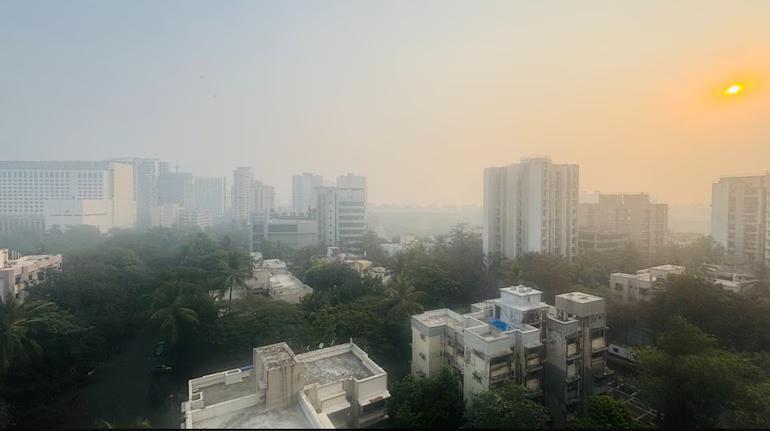
Mumbai, the financial capital of India, has been grappling with a severe air pollution crisis in recent days. The city’s air quality has deteriorated significantly, leaving residents gasping for breath. The sudden spike in air pollution has raised concerns among citizens, and it’s essential to understand the factors contributing to this alarming situation. In this blog post, we’ll delve into the reasons behind Mumbai’s worsening air quality and explore possible solutions to mitigate this issue.
The past few days have seen a significant increase in air pollution levels in Mumbai, with the Air Quality Index (AQI) soaring to hazardous levels. The city’s residents have been complaining about the poor air quality, which has been causing respiratory problems, eye irritation, and other health issues. The sudden deterioration in air quality has been attributed to a combination of local pollution sources and seasonal weather shifts.
One of the primary factors contributing to Mumbai’s poor air quality is the increase in roadwork across the city. After the monsoon season, road construction and repair activities have picked up pace, resulting in higher levels of road dust. The increased traffic and construction activities have led to a significant rise in particulate matter (PM) in the air, which is a major contributor to air pollution. The road dust, which is rich in particulate matter, gets suspended in the air, making it difficult for people to breathe.
Another significant factor contributing to Mumbai’s air pollution is the surge in construction activities across the city. The city is witnessing a massive construction boom, with numerous high-rise buildings, infrastructure projects, and redevelopment initiatives underway. While these projects are essential for the city’s growth and development, they also generate massive amounts of dust, debris, and other pollutants. The construction activities release large amounts of particulate matter, nitrogen oxides, and other gases into the atmosphere, further exacerbating the air pollution problem.
Industrial fumes from heavy industries and refineries along the eastern corridor are also a significant contributor to Mumbai’s air pollution. The city is home to several large-scale industrial units, including oil refineries, chemical plants, and manufacturing facilities. These industries release massive amounts of pollutants, including particulate matter, sulfur dioxide, and nitrogen oxides, into the atmosphere. The pollutants from these industries get carried by the wind and spread across the city, contributing to the poor air quality.
The seasonal weather shifts are also playing a significant role in Mumbai’s air pollution crisis. During the winter months, the city experiences a temperature inversion, where a layer of cool air gets trapped under a layer of warm air. This temperature inversion leads to a phenomenon called “thermal inversion,” where the pollutants get trapped close to the ground, unable to rise and disperse. As a result, the pollutants accumulate near the surface, leading to a significant increase in air pollution levels.
The air pollution crisis in Mumbai is a complex issue, and addressing it requires a multi-faceted approach. The government, industries, and citizens must work together to mitigate the problem. Some of the possible solutions include:
- Implementing stricter regulations and enforcement mechanisms to control pollution from industries and construction activities
- Increasing the use of clean energy sources, such as solar and wind power, to reduce dependence on fossil fuels
- Promoting the use of electric vehicles and improving public transportation to reduce traffic congestion and air pollution
- Enhancing green cover and urban forestry to absorb pollutants and improve air quality
- Educating citizens about the importance of air quality and the simple steps they can take to reduce their contribution to pollution
In conclusion, Mumbai’s air pollution crisis is a pressing issue that requires immediate attention and action. The city’s residents deserve to breathe clean air, and it’s essential to address the factors contributing to the poor air quality. By understanding the causes of air pollution and working together to implement solutions, we can mitigate the problem and create a healthier, more sustainable environment for everyone.
About the Author