Why Mumbai’s Air is Getting Worse?
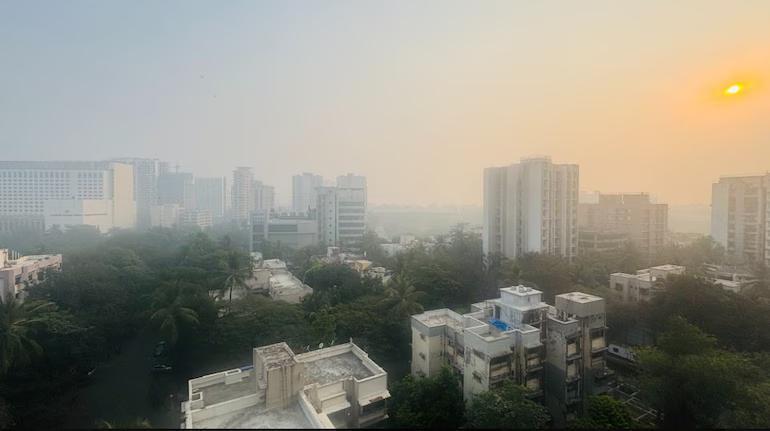
Mumbai, the financial capital of India, is known for its vibrant culture, bustling streets, and iconic landmarks. However, in recent days, the city has been making headlines for a different reason – its deteriorating air quality. The air quality index (AQI) in Mumbai has been consistently high, posing a significant threat to the health and well-being of its residents. But what is causing this sudden decline in air quality? In this blog post, we will delve into the reasons behind the worsening air quality in Mumbai and explore the possible solutions to mitigate this issue.
One of the primary reasons for the deterioration of air quality in Mumbai is the combination of local pollution sources and seasonal weather shifts. As the monsoon season comes to an end, the city’s roads, which were previously waterlogged, are now being repaired and reconstructed. This has led to an increase in roadwork, resulting in higher levels of road dust across the city. The road dust, which is a significant contributor to particulate matter (PM) pollution, is being blown into the air, exacerbating the already poor air quality.
Another major factor contributing to the poor air quality in Mumbai is the surge in construction activities across the city. The construction sector is a significant source of pollution, with activities such as excavation, drilling, and demolition releasing large amounts of dust and particulate matter into the air. The construction boom in Mumbai has led to an increase in the number of building sites, resulting in a significant increase in pollution levels.
Industrial fumes from heavy industries and refineries along the eastern corridor of Mumbai are also a significant contributor to the city’s poor air quality. The refineries and industries in this area release large amounts of pollutants, including particulate matter, nitrogen oxides, and volatile organic compounds, into the air. These pollutants can travel long distances, affecting not only the surrounding areas but also the entire city.
The geographical location of Mumbai also plays a role in its poor air quality. The city is situated in a coastal region, surrounded by the Arabian Sea to the west and the Sahyadri mountain range to the east. This unique geography creates a temperature inversion effect, where the cool air from the sea is trapped by the mountains, preventing the pollutants from being dispersed. As a result, the pollutants become concentrated in the city, leading to higher levels of air pollution.
The impact of poor air quality on human health is well-documented. Exposure to high levels of air pollution can cause a range of health problems, including respiratory issues, cardiovascular disease, and even cancer. The elderly, children, and people with pre-existing medical conditions are particularly vulnerable to the effects of air pollution. In Mumbai, the poor air quality is a significant concern, as it can exacerbate existing health conditions and even lead to new health problems.
So, what can be done to improve the air quality in Mumbai? The first step is to reduce the amount of pollution being released into the air. This can be achieved by implementing stricter regulations on industries and construction activities, as well as promoting the use of cleaner fuels and technologies. The city can also invest in green infrastructure, such as parks and green roofs, which can help to absorb pollutants and improve air quality.
Additionally, the city can promote the use of public transport, walking, and cycling, which can reduce the number of private vehicles on the road and subsequently decrease the amount of air pollution. The government can also implement policies to reduce waste and promote recycling, which can help to minimize the amount of waste being sent to landfills and reduce the production of methane, a potent greenhouse gas.
In conclusion, the deteriorating air quality in Mumbai is a complex issue, caused by a combination of local pollution sources and seasonal weather shifts. The surge in construction activities, industrial fumes, and roadwork are all significant contributors to the city’s poor air quality. However, by implementing stricter regulations, promoting the use of cleaner fuels and technologies, and investing in green infrastructure, we can work towards improving the air quality in Mumbai and creating a healthier environment for its residents.
About the Author