Why Mumbai’s Air is Getting Worse?
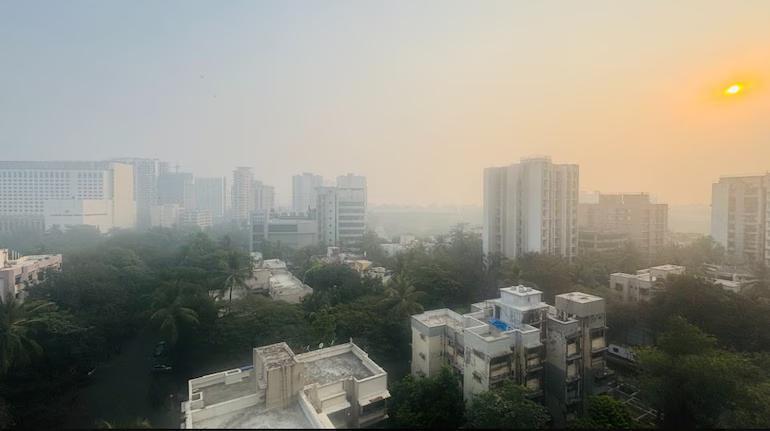
Mumbai, the financial capital of India, has been facing a severe air pollution crisis in recent days. The city’s air quality has deteriorated significantly, leaving residents struggling to breathe and raising concerns about the long-term health implications. The sudden spike in air pollution levels has been attributed to a combination of local pollution sources and seasonal weather shifts. In this blog post, we will delve into the factors contributing to the worsening air quality in Mumbai and explore the necessary steps to mitigate this issue.
One of the primary reasons for the increase in air pollution is the roadwork that picked up after the monsoon season. The construction and repair of roads have led to a significant increase in road-dust levels across the city. The dry weather conditions have made it easier for the dust to become airborne, contributing to the poor air quality. The road-dust is not only a nuisance but also a serious health hazard, as it can cause respiratory problems and other health issues.
Another major factor contributing to the poor air quality in Mumbai is the surge in construction activities across the city. The construction sector is a significant contributor to air pollution, as it generates large amounts of dust, noise, and other pollutants. The increasing number of construction projects in Mumbai has led to a rise in the levels of particulate matter (PM) in the air, which is a key indicator of air pollution. The PM levels in Mumbai have been consistently high, exceeding the safe limits set by the government.
Industrial fumes from heavy industries and refineries along the eastern corridor of Mumbai are also a significant contributor to the city’s air pollution. The industries in this area, including oil refineries, chemical plants, and other manufacturing units, release large amounts of toxic gases and particulate matter into the air. These pollutants not only harm the environment but also pose serious health risks to the people living in the surrounding areas.
The seasonal weather shifts have also played a role in the worsening air quality in Mumbai. The city experiences a unique weather pattern, with high humidity levels during the monsoon season and dry weather conditions during the winter months. The dry weather conditions have made it easier for the pollutants to become airborne, contributing to the poor air quality. The temperature inversion, which occurs during the winter months, has also trapped the pollutants close to the ground, exacerbating the air pollution problem.
The air pollution in Mumbai has serious health implications, particularly for vulnerable populations such as children, older adults, and people with pre-existing medical conditions. The poor air quality can cause respiratory problems, such as asthma and chronic obstructive pulmonary disease (COPD), and can also increase the risk of cardiovascular disease, stroke, and other health problems.
To address the air pollution crisis in Mumbai, it is essential to take a multi-faceted approach that involves both short-term and long-term measures. In the short term, the government and other stakeholders can take steps to reduce the levels of road-dust and construction-related pollutants. This can be achieved by implementing stricter dust control measures, such as using dust suppressants and covering construction sites.
In the long term, the government needs to develop and implement a comprehensive plan to reduce air pollution in Mumbai. This plan should include measures to promote the use of clean energy, increase the use of public transport, and reduce the number of private vehicles on the road. The plan should also include measures to regulate industrial emissions and promote the use of pollution-control technologies.
The citizens of Mumbai also have a crucial role to play in reducing air pollution. By making conscious choices, such as using public transport, carpooling, or driving electric or hybrid vehicles, individuals can contribute to reducing the levels of air pollutants. Additionally, citizens can participate in awareness campaigns and advocacy efforts to push for policy changes and stricter regulations to control air pollution.
In conclusion, the air pollution crisis in Mumbai is a complex issue that requires a comprehensive and multi-faceted approach to resolve. The combination of local pollution sources and seasonal weather shifts has led to a significant deterioration in the city’s air quality, posing serious health risks to its residents. To address this issue, it is essential to take both short-term and long-term measures, including reducing road-dust and construction-related pollutants, promoting the use of clean energy, and regulating industrial emissions. By working together, we can improve the air quality in Mumbai and create a healthier and more sustainable environment for its citizens.
About the Author