Why Mumbai’s Air is Getting Worse?
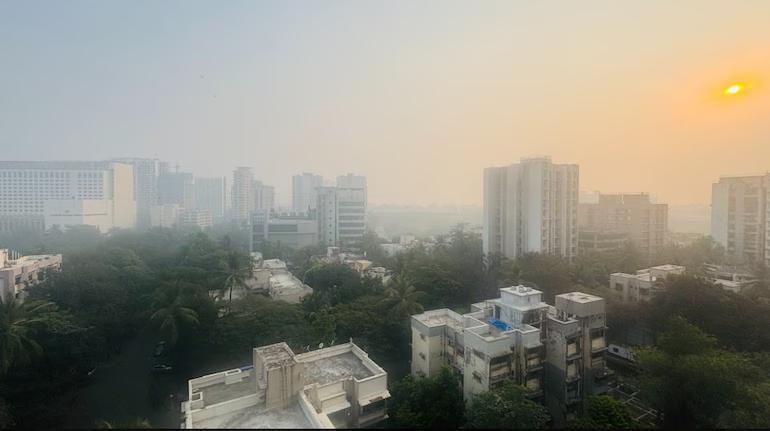
Mumbai, the financial capital of India, has been grappling with a severe air pollution crisis in recent days. The city’s air quality has deteriorated significantly, leaving its residents gasping for breath. The sudden spike in air pollution levels has raised concerns among citizens, and it’s essential to understand the factors contributing to this decline. In this blog post, we’ll delve into the reasons behind the worsening air quality in Mumbai and explore possible solutions to mitigate this issue.
The recent surge in air pollution levels in Mumbai can be attributed to a combination of local pollution sources and seasonal weather shifts. One of the primary factors is the increase in roadwork across the city, which picked up pace after the monsoon season. The construction activities have led to a significant rise in road-dust levels, making the air thick with pollutants. The city’s roads are witnessing a massive overhaul, with numerous infrastructure projects underway, including the construction of new roads, flyovers, and bridges. While these projects are essential for the city’s development, they are taking a toll on the air quality.
Another major contributor to the poor air quality in Mumbai is the surge in construction activities across the city. The real estate sector is booming, with numerous high-rise buildings, commercial complexes, and residential projects coming up. While these projects are a testament to the city’s growth, they are also generating massive amounts of dust, debris, and other pollutants. The construction sites are often poorly managed, with little regard for environmental regulations, leading to a significant increase in air pollution levels.
Industrial fumes from heavy industries and refineries along the eastern corridor are also a significant source of air pollution in Mumbai. The city is home to several large-scale industrial units, including oil refineries, chemical plants, and textile mills. These industries emit massive amounts of toxic fumes, including particulate matter, nitrogen oxides, and sulfur dioxide, which contribute to the city’s poor air quality. The lack of effective emission control measures and inadequate monitoring of industrial activities have exacerbated the problem.
The seasonal weather shifts have also played a role in the worsening air quality in Mumbai. During the winter months, the city experiences a temperature inversion, where a layer of cool air is trapped under a layer of warm air, preventing the pollutants from dispersing. This phenomenon leads to a concentration of pollutants in the air, making it even more hazardous to breathe. The calm winds during this period also reduce the dispersion of pollutants, further aggravating the problem.
The impact of poor air quality on human health is well-documented. Exposure to polluted air can lead to a range of health problems, including respiratory issues, cardiovascular disease, and even cancer. The elderly, children, and people with pre-existing medical conditions are particularly vulnerable to the effects of air pollution. The economic implications of poor air quality are also significant, with studies suggesting that air pollution can lead to lost productivity, increased healthcare costs, and a decline in overall quality of life.
So, what can be done to mitigate the air pollution crisis in Mumbai? Firstly, the city’s authorities need to take a more proactive approach to monitoring and regulating pollution sources. This includes implementing stricter emission norms for industries, enforcing environmental regulations, and increasing the frequency of air quality monitoring. The government can also incentivize the use of clean energy sources, such as solar and wind power, to reduce the city’s dependence on fossil fuels.
Secondly, the city needs to invest in infrastructure that promotes sustainable transportation. This includes developing a robust public transport system, encouraging the use of electric and hybrid vehicles, and creating dedicated cycling and pedestrian lanes. By reducing the number of private vehicles on the road, the city can significantly decrease the amount of air pollutants emitted.
Finally, the citizens of Mumbai need to take an active role in reducing their carbon footprint. This includes adopting eco-friendly practices, such as reducing energy consumption, using public transport, and recycling waste. By making conscious choices, individuals can contribute to a cleaner, healthier environment.
In conclusion, the deteriorating air quality in Mumbai is a complex issue that requires a multi-faceted approach to resolve. The city’s authorities, industries, and citizens need to work together to reduce pollution sources, promote sustainable practices, and create a healthier environment. By understanding the factors contributing to the poor air quality and taking collective action, we can ensure a better future for the city and its residents.
About the Author