Why Mumbai’s Air is Getting Worse?
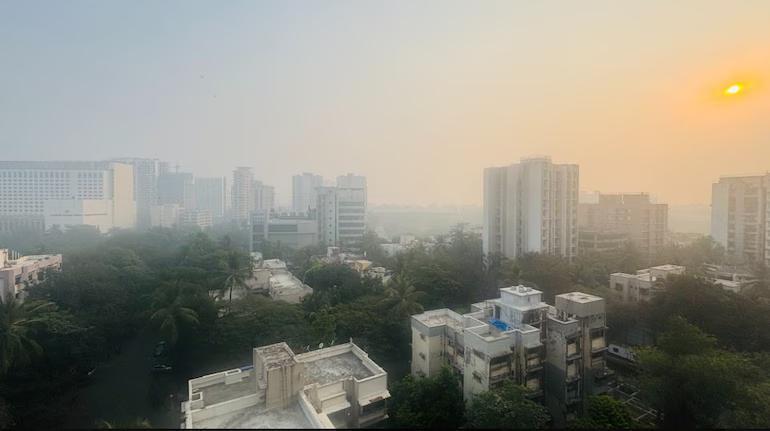
Mumbai, the financial capital of India, is known for its fast-paced lifestyle, bustling streets, and vibrant culture. However, in recent days, the city has been grappling with a severe air pollution crisis. The air quality in Mumbai has deteriorated significantly, leaving residents struggling to breathe and raising concerns about the long-term impact on public health. In this blog post, we will delve into the reasons behind the worsening air quality in Mumbai and explore the factors contributing to this environmental crisis.
The past few days have seen a significant spike in air pollution levels in Mumbai, with the city’s Air Quality Index (AQI) reaching alarming levels. The AQI is a measure of the level of air pollution in a given area, taking into account the concentration of pollutants such as particulate matter (PM), nitrogen dioxide (NO2), ozone (O3), and carbon monoxide (CO). A high AQI indicates poor air quality, which can have severe health implications, including respiratory problems, cardiovascular disease, and even premature death.
So, what is causing the air quality in Mumbai to deteriorate so rapidly? According to experts, the main culprit is a combination of local pollution sources and seasonal weather shifts. One of the primary factors contributing to the poor air quality is the increased roadwork across the city. After the monsoon season, road construction and repair activities have picked up pace, resulting in higher levels of road dust and particulate matter in the air. This is exacerbated by the fact that many of these construction sites lack adequate dust control measures, allowing fine particles to become airborne and spread throughout the city.
Another significant contributor to Mumbai’s air pollution crisis is the surge in construction activities across the city. The rapid urbanization and growth of Mumbai have led to a construction boom, with numerous high-rise buildings, infrastructure projects, and residential complexes sprouting up across the city. While this growth is essential for the city’s development, it also results in a significant increase in air pollution. Construction sites generate massive amounts of dust, and the use of heavy machinery and equipment releases harmful pollutants into the air.
Industrial fumes from heavy industries and refineries along the eastern corridor of Mumbai are also a major factor in the city’s air pollution crisis. These industries release large quantities of pollutants, including particulate matter, sulfur dioxide (SO2), and nitrogen oxides (NOx), which contribute to the city’s poor air quality. The proximity of these industries to residential areas and the lack of effective emissions control measures exacerbate the problem, putting the health of nearby residents at risk.
In addition to these local pollution sources, seasonal weather shifts also play a significant role in Mumbai’s air pollution crisis. During the winter months, the city experiences a temperature inversion, where a layer of cool air is trapped under a layer of warm air, preventing pollutants from escaping. This phenomenon, combined with the lack of strong winds to disperse pollutants, results in a concentration of pollutants in the air, further worsening the air quality.
So, what can be done to address Mumbai’s air pollution crisis? The first step is to acknowledge the severity of the problem and take immediate action to mitigate its effects. The government and regulatory authorities must work together to implement stricter emissions control measures, particularly for construction sites and industrial activities. This can include measures such as dust suppression systems, emission-control technologies, and regular monitoring of air quality.
Additionally, the city needs to invest in green infrastructure, such as parks and gardens, which can help absorb pollutants and improve air quality. The government can also promote the use of clean energy sources, such as solar and wind power, to reduce the city’s reliance on fossil fuels and lower emissions.
Residents also have a crucial role to play in addressing Mumbai’s air pollution crisis. By making conscious choices, such as using public transport, carpooling, or driving electric or hybrid vehicles, individuals can reduce their carbon footprint and contribute to a cleaner environment. Moreover, residents can support organizations and initiatives working to improve air quality and promote sustainability in the city.
In conclusion, the deteriorating air quality in Mumbai is a complex issue, resulting from a combination of local pollution sources and seasonal weather shifts. Roadwork, construction activities, industrial fumes, and lack of effective emissions control measures are all contributing factors to the city’s air pollution crisis. To address this issue, it is essential to take a multi-faceted approach, involving government agencies, regulatory authorities, industries, and residents. By working together, we can mitigate the effects of air pollution and create a healthier, more sustainable environment for the citizens of Mumbai.
About the Author