Why Mumbai’s Air is Getting Worse?
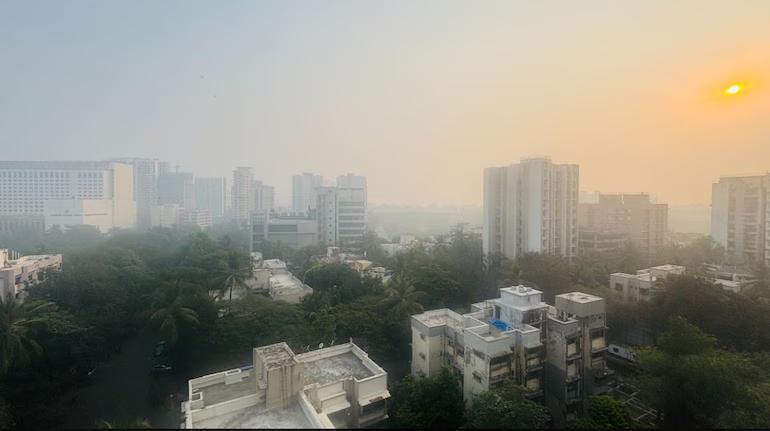
Mumbai, the financial capital of India, is known for its vibrant culture, bustling streets, and iconic landmarks. However, in recent days, the city has been grappling with a severe air pollution crisis. The air quality in Mumbai has deteriorated significantly, causing concern among residents, health experts, and environmentalists. The sudden spike in air pollution has been attributed to a combination of local pollution sources and seasonal weather shifts. In this blog post, we will delve into the reasons behind the worsening air quality in Mumbai and explore possible solutions to mitigate this issue.
One of the primary contributors to the poor air quality in Mumbai is the roadwork that has picked up after the monsoon season. The city’s roads are undergoing significant repairs and construction, resulting in a substantial increase in road-dust levels across the city. The dust and debris generated from these construction activities are suspended in the air, exacerbating the already poor air quality. This is particularly problematic in a city like Mumbai, where the population density is high, and the streets are always congested.
Another major factor contributing to the worsening air quality in Mumbai is the surge in construction activities across the city. Mumbai is undergoing rapid urbanization, with numerous high-rise buildings, infrastructure projects, and residential complexes being constructed simultaneously. While this construction boom is a sign of the city’s growth and development, it also leads to a significant increase in air pollution. The construction process involves the use of heavy machinery, which emits harmful pollutants like particulate matter, nitrogen oxides, and volatile organic compounds. These pollutants can cause respiratory problems, cardiovascular diseases, and even cancer.
Industrial fumes from heavy industries and refineries along the eastern corridor of Mumbai are also a significant contributor to the city’s poor air quality. The eastern corridor is home to several industrial estates, oil refineries, and power plants, which emit large quantities of pollutants into the atmosphere. These industries release toxic gases like sulfur dioxide, nitrogen oxides, and particulate matter, which can cause severe health problems. The proximity of these industries to residential areas and the lack of effective emission control measures have made the situation even more critical.
In addition to these local pollution sources, seasonal weather shifts have also played a role in the worsening air quality in Mumbai. During the winter months, the city experiences a temperature inversion, where a layer of cool air is trapped under a layer of warm air. This temperature inversion prevents the pollutants from being dispersed, leading to a buildup of toxic gases in the atmosphere. The calm winds during this period also reduce the dispersion of pollutants, making the situation even more severe.
The poor air quality in Mumbai has severe implications for the health and well-being of its residents. Exposure to polluted air can cause respiratory problems, cardiovascular diseases, and even cancer. Children, older adults, and people with pre-existing medical conditions are particularly vulnerable to the effects of air pollution. The economic costs of air pollution are also significant, with estimates suggesting that the city loses millions of dollars each year due to lost productivity, healthcare costs, and other expenses related to air pollution.
So, what can be done to address the issue of poor air quality in Mumbai? Firstly, the city needs to implement effective emission control measures, such as stricter regulations on industrial emissions and construction activities. The use of clean technologies, like electric or hybrid construction equipment, can also help reduce pollution. Additionally, the city can promote the use of public transport, walking, and cycling to reduce the number of private vehicles on the road.
The government can also play a crucial role in addressing the issue of air pollution in Mumbai. The authorities can enforce stricter regulations on industrial emissions, construction activities, and vehicular pollution. The government can also invest in clean energy sources, like solar and wind power, to reduce the city’s dependence on fossil fuels. Furthermore, the government can launch public awareness campaigns to educate residents about the importance of air quality and the simple steps they can take to reduce pollution.
In conclusion, the worsening air quality in Mumbai is a complex issue that requires a multifaceted approach to address. The city’s poor air quality is a result of a combination of local pollution sources, seasonal weather shifts, and lack of effective emission control measures. To mitigate this issue, the city needs to implement stricter regulations on industrial emissions, construction activities, and vehicular pollution. The government, residents, and industries must work together to promote clean technologies, reduce pollution, and improve the overall air quality in Mumbai.
About the Author