Why Mumbai’s Air is Getting Worse?
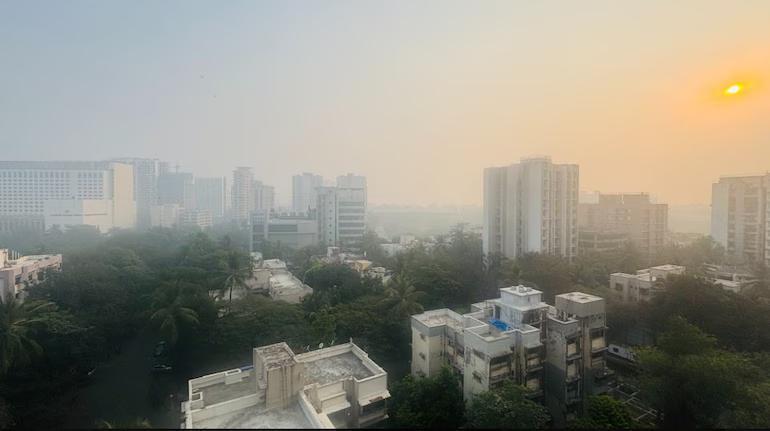
Mumbai, the financial capital of India, has been grappling with deteriorating air quality in recent days. The city’s Air Quality Index (AQI) has been fluctuating, with some areas recording hazardous levels of pollution. The sudden spike in air pollution has raised concerns among residents, health experts, and environmentalists. In this blog post, we will delve into the reasons behind Mumbai’s worsening air quality and explore the factors contributing to this alarming trend.
The past few days have seen a significant increase in air pollution levels across Mumbai, with the AQI soaring to unprecedented heights. The city’s air quality has been affected by a combination of local pollution sources and seasonal weather shifts. One of the primary reasons for the surge in air pollution is the roadwork that picked up pace after the monsoon season. The increased construction activities have led to higher levels of road dust across the city, which has become a major contributor to the deteriorating air quality.
Another significant factor contributing to the worsening air quality is the surge in construction activities across the city. Mumbai is witnessing a massive influx of infrastructure projects, including the construction of new buildings, roads, and bridges. While these projects are essential for the city’s growth and development, they also generate massive amounts of dust and pollutants, which are released into the atmosphere. The construction activities have led to an increase in particulate matter (PM) 2.5 and PM 10 levels, which are harmful to human health.
Industrial fumes from heavy industries and refineries along the eastern corridor are also a significant contributor to Mumbai’s air pollution. The eastern corridor of Mumbai is home to several heavy industries, including oil refineries, chemical plants, and power plants. These industries release large amounts of pollutants, including particulate matter, nitrogen oxides, and volatile organic compounds, into the atmosphere. The industrial fumes have been a long-standing issue in Mumbai, and the recent surge in air pollution has brought this problem to the forefront.
The seasonal weather shifts have also played a significant role in the deteriorating air quality. During the winter months, the temperature and humidity levels in Mumbai are relatively low, which leads to a decrease in the dispersion of pollutants. As a result, the pollutants released into the atmosphere tend to accumulate, leading to higher concentrations of particulate matter and other pollutants. The weather conditions have exacerbated the problem of air pollution, making it essential for the authorities to take immediate action to mitigate the situation.
The health impacts of air pollution are well-documented, and the residents of Mumbai are no exception. Exposure to poor air quality can lead to a range of health problems, including respiratory issues, cardiovascular disease, and even cancer. The elderly, children, and people with pre-existing medical conditions are particularly vulnerable to the effects of air pollution. The recent surge in air pollution has raised concerns among health experts, who are urging the authorities to take immediate action to improve the air quality.
So, what can be done to address the issue of air pollution in Mumbai? The first step is to acknowledge the problem and take responsibility for it. The authorities must recognize the severity of the issue and take concrete steps to mitigate it. This can include implementing stricter regulations on construction activities, industrial emissions, and vehicular pollution. The authorities can also invest in air quality monitoring systems to track the levels of pollutants in real-time and take prompt action to address any spikes in pollution levels.
The residents of Mumbai also have a crucial role to play in improving the air quality. Individuals can make a significant difference by adopting environmentally friendly practices, such as using public transport, carpooling, or driving electric vehicles. People can also reduce their exposure to air pollution by wearing masks, staying indoors during peak pollution hours, and avoiding strenuous outdoor activities.
In conclusion, the deteriorating air quality in Mumbai is a complex issue that requires a multi-faceted approach to resolve. The combination of local pollution sources and seasonal weather shifts has led to a significant increase in air pollution levels, which poses a serious threat to the health and well-being of the city’s residents. It is essential for the authorities, residents, and other stakeholders to work together to address this issue and improve the air quality in Mumbai.
To stay updated with the latest developments on this issue, you can visit the following news article:
https://www.moneycontrol.com/city/mumbai-s-high-aqi-explained-why-the-air-got-suddenly-worse-and-what-needs-to-be-done-article-13699404.html/amp
About the Author