Why Mumbai’s Air is Getting Worse?
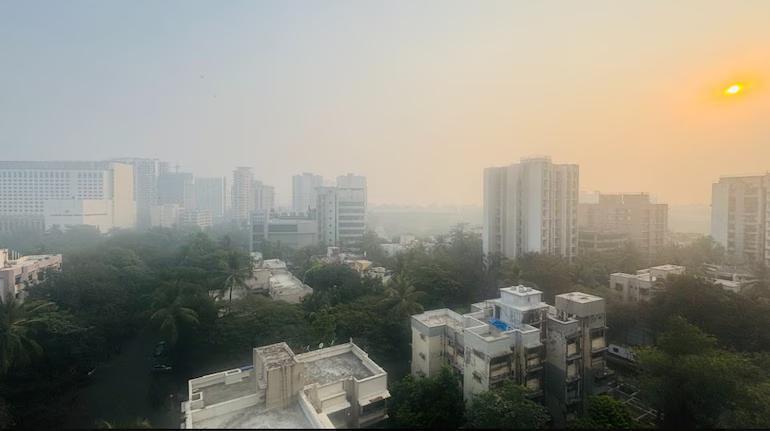
Mumbai, the financial capital of India, has been facing a severe air pollution crisis in recent days. The city’s air quality has deteriorated significantly, leaving residents gasping for breath. The sudden spike in air pollution has raised concerns among citizens, and it’s essential to understand the reasons behind this alarming trend. In this blog post, we’ll delve into the factors contributing to the worsening air quality in Mumbai and explore possible solutions to mitigate this issue.
Combination of Local Pollution Sources and Seasonal Weather Shifts
According to recent reports, the deterioration of Mumbai’s air quality is attributed to a combination of local pollution sources and seasonal weather shifts. The city’s air quality index (AQI) has been fluctuating, with some areas recording extremely high levels of pollutants. The main culprits behind this pollution are roadwork, construction, and industrial activities.
Roadwork and Road-Dust
One of the primary factors contributing to the poor air quality in Mumbai is the increased roadwork across the city. After the monsoon season, roadwork picked up, leading to higher levels of road-dust in the air. The construction and repair of roads, along with the lack of proper dust-suppression measures, have resulted in a significant increase in particulate matter (PM) in the air. This fine dust, comprising particles with a diameter of less than 2.5 micrometers (PM2.5), is particularly harmful to human health, as it can penetrate deep into the lungs and cause respiratory problems.
Surge in Construction
Another major factor contributing to Mumbai’s poor air quality is the surge in construction activities across the city. The real estate sector has been booming in Mumbai, with numerous high-rise buildings, infrastructure projects, and redevelopment initiatives underway. While these projects are essential for the city’s growth, they also generate massive amounts of dust, debris, and other pollutants. The lack of effective dust-control measures at construction sites has exacerbated the problem, releasing large amounts of particulate matter into the air.
Industrial Fumes and Refineries
The eastern corridor of Mumbai is home to several heavy industries, including refineries, which are significant contributors to the city’s air pollution. These industries release large amounts of toxic fumes, including particulate matter, sulfur dioxide, and nitrogen oxides, into the atmosphere. The pollutants from these industries, combined with the existing pollution from roadwork and construction, have created a toxic cocktail that’s harming the city’s air quality.
Seasonal Weather Shifts
Mumbai’s geography, with the Arabian Sea to the west and the Sahyadri mountain range to the east, creates a unique weather pattern. During the winter months, the city experiences a temperature inversion, where a layer of cool air is trapped under a layer of warm air. This phenomenon prevents pollutants from dispersing, allowing them to accumulate and exacerbate the air quality issues.
Health Impacts
The poor air quality in Mumbai has severe health implications for its residents. Exposure to high levels of particulate matter, nitrogen oxides, and other pollutants can cause respiratory problems, such as asthma, bronchitis, and lung cancer. The elderly, children, and people with pre-existing medical conditions are particularly vulnerable to the adverse effects of air pollution.
Solutions and Mitigation Measures
To address the air pollution crisis in Mumbai, it’s essential to implement a multi-faceted approach that involves both short-term and long-term measures. Some possible solutions include:
- Enforcing dust-control measures: Construction sites and roadwork areas must adopt effective dust-suppression techniques, such as sprinkling water or using dust-reducing agents.
- Regulating industrial emissions: Heavy industries and refineries must be held accountable for their emissions, and stricter regulations must be enforced to reduce their pollution output.
- Promoting sustainable transportation: Encouraging the use of electric or hybrid vehicles, improving public transportation, and enhancing pedestrian and cycling infrastructure can reduce the reliance on personal vehicles and lower emissions.
- Increasing green cover: Planting more trees and creating green spaces can help absorb pollutants and improve air quality.
- Raising awareness: Educating citizens about the importance of air quality and the simple steps they can take to reduce their carbon footprint can make a significant difference.
In conclusion, the deterioration of Mumbai’s air quality is a complex issue, resulting from a combination of local pollution sources and seasonal weather shifts. To address this crisis, it’s crucial to adopt a comprehensive approach that involves government agencies, industries, and citizens. By working together, we can mitigate the effects of air pollution and create a healthier, more sustainable environment for the residents of Mumbai.
About the Author