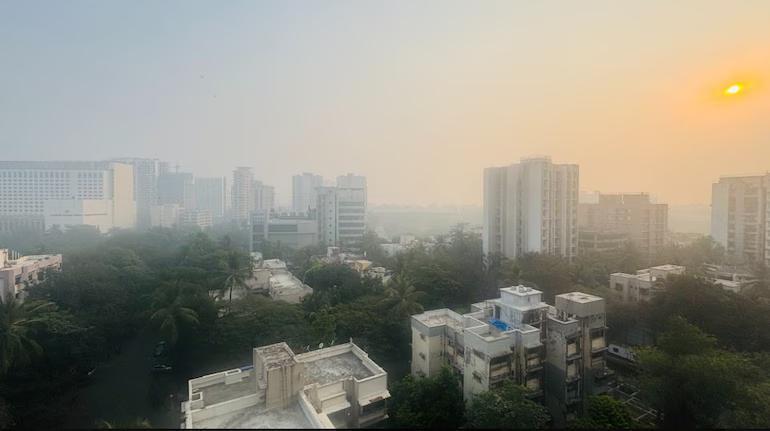
Why Mumbai’s Air is Getting Worse?
Mumbai, the financial capital of India, is known for its vibrant culture, bustling streets, and iconic landmarks. However, in recent days, the city has been grappling with a severe air pollution crisis. The air quality in Mumbai has deteriorated significantly, leaving residents gasping for breath. According to recent reports, the city’s air quality index (AQI) has reached alarming levels, making it one of the most polluted cities in the country.
So, what’s behind this sudden deterioration in air quality? The answer lies in a combination of local pollution sources and seasonal weather shifts. As the monsoon season came to an end, roadwork picked up pace, pushing road-dust levels higher across the city. The construction industry, which was relatively slow during the monsoon, also gained momentum, leading to an increase in dust and particulate matter in the air. Another major factor contributing to the poor air quality is the surge in construction activities across the city.
The eastern corridor of Mumbai, which is home to several heavy industries and refineries, is also a significant contributor to the city’s air pollution. Industrial fumes and emissions from these factories have been spewing toxic pollutants into the air, further exacerbating the problem. The lack of effective emission control measures and inadequate monitoring of industrial activities have made matters worse.
The impact of air pollution on human health is well-documented. Exposure to poor air quality can lead to a range of health problems, including respiratory issues, cardiovascular disease, and even cancer. Children, the elderly, and people with pre-existing medical conditions are particularly vulnerable to the effects of air pollution.
So, what can be done to mitigate this crisis? Firstly, the government needs to take immediate action to reduce the amount of dust and particulate matter in the air. This can be achieved by implementing stricter regulations on construction activities and ensuring that builders and contractors take necessary measures to control dust emissions.
Secondly, the authorities need to crack down on industrial polluters and ensure that factories and refineries adhere to emission norms. This can be done by increasing the frequency of inspections and imposing penalties on defaulters. The government can also incentivize industries to adopt cleaner technologies and practices, such as using solar or wind power, to reduce their carbon footprint.
Thirdly, the city needs to improve its waste management practices. The lack of effective waste disposal systems has led to the burning of trash, which releases toxic pollutants into the air. The municipal corporation can implement a door-to-door waste collection system and ensure that waste is disposed of in a scientific and environmentally friendly manner.
Finally, the government needs to raise awareness about the importance of air quality and the simple steps that individuals can take to reduce their contribution to pollution. This can be done through public awareness campaigns, educational programs, and community outreach initiatives.
In conclusion, the deteriorating air quality in Mumbai is a complex problem that requires a multi-faceted solution. It demands the collective efforts of the government, industries, and citizens to reduce pollution and improve the city’s air quality. By working together, we can create a cleaner, healthier, and more sustainable environment for ourselves and future generations.
As the city struggles to breathe, it’s essential to take immediate action to address this crisis. We owe it to ourselves, our children, and our planet to take responsibility for our actions and work towards a cleaner, greener future.
About the Author