Why Mumbai’s Air is Getting Worse?
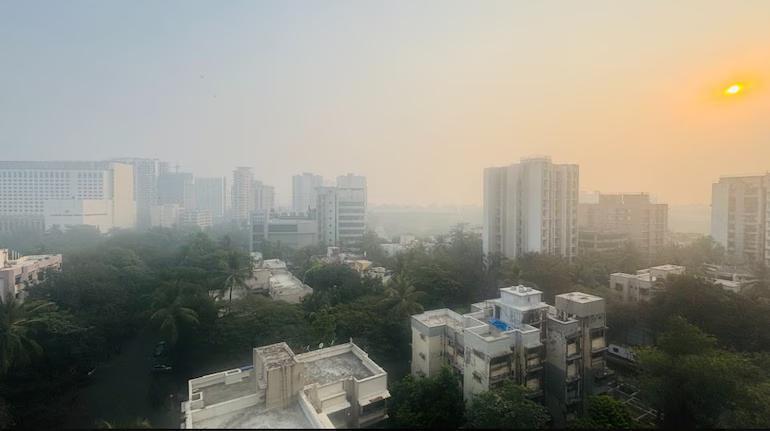
Mumbai, the financial capital of India, has been grappling with a severe air pollution crisis in recent days. The city’s air quality has deteriorated significantly, leaving its residents gasping for breath. The sudden spike in air pollution has raised concerns among citizens, health experts, and environmentalists, who are seeking answers to the question: why is Mumbai’s air getting worse?
The recent deterioration in air quality can be attributed to a combination of local pollution sources and seasonal weather shifts. One of the primary reasons is the increase in roadwork across the city, which has led to higher levels of road dust. After the monsoon season, road construction and repair activities picked up pace, resulting in a significant increase in particulate matter (PM) in the air. The city’s roads, which are already congested, have become a major source of pollution, with dust and debris from construction sites contributing to the poor air quality.
Another significant factor contributing to Mumbai’s poor air quality is the surge in construction activities across the city. The construction sector is a significant contributor to air pollution, with activities such as excavation, drilling, and demolition releasing large amounts of particulate matter, including PM2.5 and PM10, into the air. The city’s rapid urbanization and infrastructure development have led to an increase in construction projects, resulting in a significant rise in air pollution.
Industrial fumes from heavy industries and refineries along the eastern corridor of the city are also a major contributor to Mumbai’s poor air quality. The city is home to several industrial areas, including the Trombay refinery, which is one of the largest refineries in the country. These industries release large amounts of pollutants, including particulate matter, nitrogen oxides, and volatile organic compounds, into the air, contributing to the city’s poor air quality.
Seasonal weather shifts have also played a significant role in the recent deterioration of Mumbai’s air quality. During the winter months, the city experiences a temperature inversion, which traps pollutants close to the ground, preventing them from dispersing. This, combined with the lack of winds, has resulted in a significant increase in air pollution levels.
The impact of poor air quality on human health is well-documented. Exposure to polluted air can lead to a range of health problems, including respiratory diseases, cardiovascular disease, and even cancer. Children, the elderly, and people with pre-existing medical conditions are particularly vulnerable to the effects of air pollution. The recent spike in air pollution has raised concerns among health experts, who are warning of a potential public health crisis if the situation is not addressed promptly.
So, what needs to be done to address the issue of poor air quality in Mumbai? The first step is to implement strict regulations to control pollution from construction sites and industrial activities. The city’s civic authorities must ensure that construction sites are properly covered, and dust suppression measures are in place to minimize the release of particulate matter into the air. Additionally, industries must be held accountable for their emissions, and strict penalties must be imposed on those that violate pollution norms.
The city also needs to invest in clean energy and promote the use of electric vehicles to reduce its dependence on fossil fuels. The government must provide incentives for the adoption of clean energy technologies, such as solar and wind power, and encourage the use of electric vehicles. This can be done by offering subsidies, tax breaks, and other incentives to encourage the adoption of clean energy technologies.
Furthermore, the city needs to improve its waste management practices to reduce the amount of waste that is burned or dumped in landfills. The city’s civic authorities must ensure that waste is collected and disposed of properly, and that recycling programs are in place to minimize the amount of waste that is sent to landfills.
In conclusion, the recent deterioration in Mumbai’s air quality is a wake-up call for the city’s residents, policymakers, and civic authorities. The city’s poor air quality is a result of a combination of local pollution sources and seasonal weather shifts, and it requires a comprehensive approach to address the issue. By implementing strict regulations, promoting clean energy, and improving waste management practices, Mumbai can reduce its air pollution levels and create a healthier environment for its residents.
About the Author